
What’s in This Guide
- Can You Paint Over Wallpaper, or Should You Remove It First?
- When Does Painting Over Wallpaper Work?
- When Does Painting Over Wallpaper Fail?
- What Is the Right Primer for Painting Over Wallpaper?
- Should You Remove Wallpaper or Paint Over It?
- What About Lead Paint Under Old Wallpaper in Connecticut Homes?
- What Affects the Cost of Painting Over Wallpaper vs. Removing It?
- Frequently Asked Questions
- Get the Wall Right, Whatever You Decide
Wallpaper that looked great in 1998 can feel heavy on your walls today. Stripping it means steamers, scrapers, sticky paste, and a real chance of gouged drywall, so painting over wallpaper starts to sound like a smart shortcut.
Sometimes it is. When the paper is smooth, tight, and in a dry room, a stain-blocking primer and two coats of paint can look clean and last. When it isn't, the paint bubbles, seams ghost through, and the next person to touch that wall has a harder job than before.
The right call comes down to the condition of the paper, the room, and the wall underneath. Here is how to decide whether to remove wallpaper or paint over it, and what a Connecticut home needs to get it right.
Quick Facts
- Painting over wallpaper works best when the paper is smooth, firmly bonded, and in a dry room.
- Peeling edges, vinyl coatings, heavy texture, and moisture are the most common reasons the paint fails.
- An oil-based or shellac-based primer is the safest seal over wallpaper paper and paste.
- Homes built before 1978 may have lead paint under the wallpaper, so test before you sand or strip.
- Removal is often the better long-term choice when you want a flawless, durable finish.
Can You Paint Over Wallpaper, or Should You Remove It First?
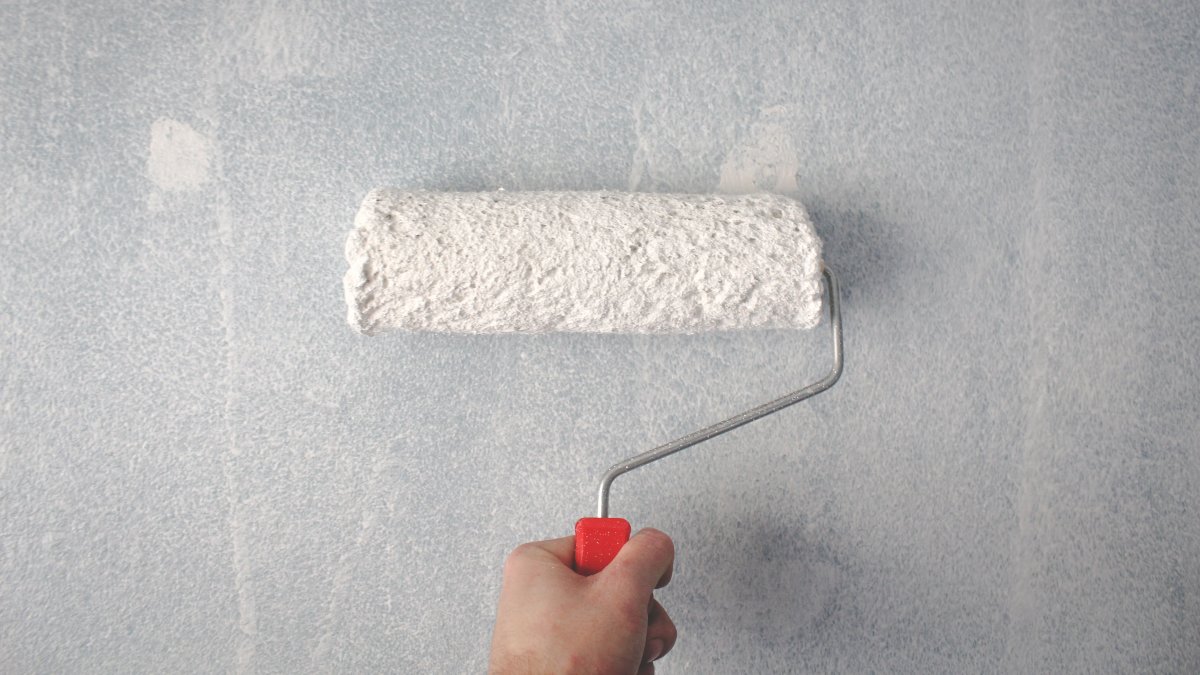
You can paint over wallpaper that is smooth, firmly stuck, and in a room without moisture problems. Removal is the better choice when the paper is peeling, textured, vinyl-coated, or layered.
Most manufacturers and professionals still advise removing wallpaper before you paint, because paint performs best on a clean wall. That advice softens when removal puts the wall at risk.
If old paste bonds so tightly that the drywall face paper tears away with the wallpaper, painting over it can be the smarter move.
When Does Painting Over Wallpaper Work?
It works when three things line up: the paper is sound, the surface is flat, and the room stays dry.
The Paper Is Smooth and Tightly Bonded
Flat, matte, paper-backed wallpaper with no lifting edges is the best candidate. Run your hand across every wall, especially near corners, outlets, and the ceiling line. Any bubble or loose edge needs repair first or points toward removal.
A simple test helps. Press a strip of painter's tape onto the wall, then pull it off. If the paper lifts with it, the bond is too weak for paint.
The Room Stays Dry
Bedrooms, dining rooms, hallways, and offices give painted wallpaper the best odds. Connecticut’s humid summers and cold winters add seasonal movement to walls, so a tight bond matters even in dry rooms. Humidity can also stretch out how long paint takes to dry between coats, so plan the work for a drier stretch.
Removal Would Likely Damage the Wall
Older Connecticut homes often have plaster or patched drywall under decades of wallpaper. Aggressive stripping can pull the wall surface along with the paper. In those cases, careful priming and skim work can protect the wall better than scraping it.
When Does Painting Over Wallpaper Fail?
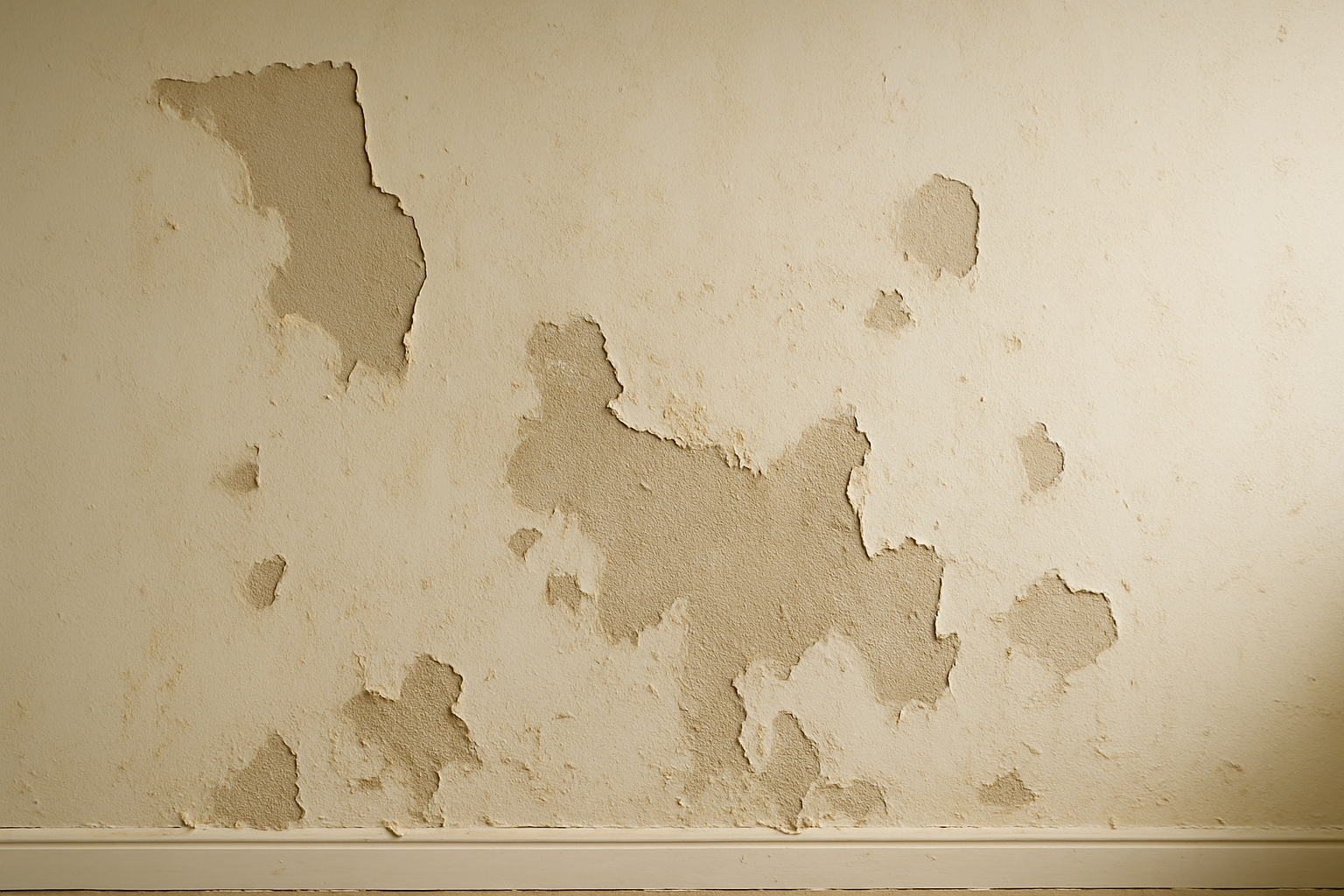
It fails when moisture, texture, coatings, or weak seams work against the paint. Each problem shows up weeks or months later, which is why it catches homeowners off guard.
Seams and Edges
Seams are the most common giveaway. Wallpaper is installed in overlapping strips, and the ridge at each joint can telegraph through even two coats of paint.
Raised seams need to be glued down, sanded smooth, and feathered out with joint compound before priming. Curling edges that were never reglued will lift again under fresh paint.
Vinyl and Coated Wallpaper
Vinyl-coated paper has a slick, plastic-like surface that repels water-based paint. Paint can bead up, adhere poorly, or peel in sheets once it dries.
If your wallpaper feels shiny or rubbery, painters generally lean toward removal. Priming can help adhesion on some coated papers, but the risk of peeling stays higher.
Textured and Embossed Patterns
Grasscloth, flocked, and heavily embossed papers keep their texture under paint. Textured wallpaper will always show through the paint. Painting over it will not smooth the wall.
Moisture and Water Damage
Bathrooms, laundry rooms, and walls with past leaks are poor candidates. Paint seals moisture in, and trapped moisture softens paste and lifts paper. Fix the leak first, then decide whether removal makes sense.
What Is the Right Primer for Painting Over Wallpaper?
Use an oil-based or shellac-based stain-blocking primer. These seal the paper and paste without re-wetting the adhesive, which is what a water-based primer can do.
Primer is the first coat in the paint system. It helps the coating bond to the wallpaper, protects the surface underneath, and gives the topcoats a uniform base.
Water in latex primer can soak into the paper, loosen the paste, and cause bubbles or curling seams. Painters typically apply an oil-based or shellac-based primer before any paint goes on. It also blocks pattern and ink bleed, so dark prints do not ghost through your new color.
|
Primer Type |
Best For |
Watch Out For |
|
Oil-based stain blocker |
Standard paper wallpaper, patterned prints |
Strong odor, longer dry time |
|
Shellac-based primer |
Stubborn stains, glossy or coated papers |
Strong fumes, needs ventilation |
|
Water-based primer |
Not recommended directly over wallpaper |
Can reactivate paste and lift seams |
Always read the label to confirm the primer accepts a latex topcoat. Open windows, run fans, and use proper respiratory protection with these products. Choosing a low-VOC and zero-VOC paint for the topcoat can also help limit odor once the primer is done.
How Painting Over Wallpaper Is Done Step by Step
- Clean the walls. Wipe away dust, grease, and fingerprints so the primer can bond.
- Repair the paper. Glue down loose edges and seams. Fill gaps and dents with joint compound.
- Sand lightly. Smooth raised seams and patched areas, then dust the wall.
- Prime the entire surface. Roll the primer on in an even coat, and let it cure fully before moving on.
- Paint in thin coats. Use quality latex paint and allow each coat to dry as directed.
Matte and eggshell sheens hide ridges better than satin or semi-gloss, which highlight every imperfection.
Should You Remove Wallpaper or Paint Over It?
Paint over it when the paper is flat, tight, and dry. Remove it when the paper is peeling, textured, vinyl, layered, or when you want the most durable result.
|
Your Situation |
Better Choice |
Why |
|
Smooth paper, tight seams, dry room |
Paint over |
Primer seals it and the finish stays flat |
|
Peeling edges or bubbles |
Remove |
Loose paper will keep lifting under paint |
|
Vinyl or glossy coating |
Remove |
Paint adhesion is unreliable |
|
Grasscloth, flocked, or embossed |
Remove |
Texture shows through any paint |
|
Bathroom or past water damage |
Remove |
Moisture breaks down paste and primer |
|
Several layers of paper |
Remove |
Weight and moisture can pull layers off together |
|
Fragile plaster or tearing drywall |
Paint over, with skim work |
Removal could damage the wall surface |
Painting over wallpaper also has a downside later. Once the paper is sealed and painted, it usually becomes harder to strip if you change your mind. Kitchens are a common spot for dated wallpaper, and removing it opens the door to fresh color combinations for two-tone kitchen cabinets.
What About Lead Paint Under Old Wallpaper in Connecticut Homes?
Homes built before 1978 may contain lead-based paint under wallpaper, so test before you sand, scrape, or strip anything.
Connecticut has a large share of older housing stock, and wallpaper often covers original wall paint. Sanding seams or tearing paper can disturb that layer and release dust. The EPA’s Renovation, Repair, and Painting Rule for pre-1978 homes requires certified contractors to follow lead-safe work practices.
If your home predates 1978, check with a certified lead inspector before you start prep work. That step protects your family, especially children and pregnant women. It is general safety information and not a substitute for a professional assessment of your home.
What Affects the Cost of Painting Over Wallpaper vs. Removing It?
Costs vary by project. Painting over wallpaper usually involves less labor than removal, but the final estimate depends on what your walls need.
Factors that shape an estimate include:
- Wallpaper type: Paper, vinyl, and textured coverings take different prep.
- Wall condition: Plaster, patched drywall, and past repairs add work.
- Amount of repair: Seam work, skim coating, and patching increase labor.
- Room size and ceiling height: Larger or taller rooms need more time and materials.
- Primer and paint selection: Specialty primers and premium paints affect material cost.
- Number of coats: Dark patterns and bold color changes can need extra coats.
An on-site look is the only reliable way to price the job, since two rooms with the same wallpaper can need very different prep.
Frequently Asked Questions
Can you paint over a wallpaper border?
Yes, if the border is flat, tightly bonded, and not vinyl-coated. Borders are often thicker or glossier than the wall paper, so the top and bottom edges usually need to be sanded and feathered with joint compound before priming. Otherwise the ridge can show through the finish.
Can you paint over peel-and-stick wallpaper?
It is not the best approach. Peel-and-stick wallpaper has a slick surface and a weak adhesive, so paint can bead up or lift at the edges. Removing it and priming the bare wall usually gives a cleaner result.
What should you do if paint bubbles or peels after painting over wallpaper?
Bubbling usually means moisture or paste reactivated under the paint, or the paper was not fully bonded. Stop painting and let the wall dry. Cut out the bubbled area, repair the wall, and reprime before repainting. If the problem is widespread, removing the wallpaper may be the better fix.
Do you need to remove leftover wallpaper paste before painting?
Yes. Paste residue can keep paint from bonding and may bubble or stain through the finish. After the paper is gone, wash the wall with a mild cleaner, let it dry, and then prime before you paint.
Should you paint over wallpaper yourself or hire a painter?
A small, flat, well-bonded room can be a reasonable DIY project if you take your time with prep. Hiring a painter makes more sense for multiple rooms, seam repairs, plaster walls, or homes built before 1978. They can also tell you whether to remove the wallpaper or paint over it.
Get the Wall Right, Whatever You Decide
Painting over wallpaper can save time and protect fragile walls, but only when the paper, the room, and the prep all cooperate. When they don’t, removal gives you a cleaner, longer-lasting result. If you only want to refresh one wall, accent wall ideas that work in real homes can help you pick a color with confidence.
Custom Colonial Painting has completed thousands of Connecticut homes across more than 20 years, with painters averaging 15-plus years of hands-on experience
We will look at your walls, tell you honestly whether to remove wallpaper or paint over it, and give you a clear plan. Financing is available too.
See our full range of interior painting services for Connecticut homes or call us to get started.
Related Posts