
What’s In This Guide
- How Do Interior Paint Finishes Differ?
- Flat vs. Eggshell: Choosing Between the Low-Sheen Options
- Satin vs. Semi-Gloss: How They Compare in Real Rooms
- Which Paint Finish Goes Where? A Room-by-Room Guide
- Common Paint Finish Mistakes to Avoid
- Does Your Home’s Age Change the Finish Plan?
- Does the Season Affect Your Paint Finish?
- Does Paint Finish Change the Cost of a Project?
- Frequently Asked Questions
- Ready to Pick the Right Finish?
Satin vs. semi-gloss looks like a small decision at the paint counter. It shows up everywhere once the paint dries. The wrong sheen can make a wall glare under a lamp, hold onto scuffs, or leave trim looking dull next to the walls. The right one makes a room look finished and wipes clean for years.
Quick Facts
- Satin suits walls in busy rooms. Semi-gloss suits trim, doors, and cabinets.
- Flat hides flaws best, while eggshell adds light washability with a soft look.
- The shinier the paint, the tougher it is and the more wall flaws it shows.
- Most rooms look best with two sheens: eggshell or satin on walls, semi-gloss on trim.
- Test your sheen in the room itself, because the same color can look different in each finish.
How Do Interior Paint Finishes Differ?
Sheen is the level of gloss in a finish, and it affects performance as well as appearance. A shinier finish reflects more light, resists scuffs and moisture better, and wipes clean more easily. It also exposes every roller mark, patch, and uneven spot that a duller finish would hide.
The scale runs from flat, through eggshell and satin, to semi-gloss and high gloss. Think of it as a trade: each step up gains durability and loses forgiveness.
|
Finish |
Shine Level |
Hides Flaws |
Wipes Clean |
Common Use |
|
Flat |
None |
Best |
Hardest |
Ceilings, adult bedrooms |
|
Eggshell |
Faint glow |
Very good |
Fair |
Living rooms, dining rooms |
|
Satin |
Soft glow |
Moderate |
Good |
Hallways, kids' rooms, kitchens |
|
Semi-gloss |
Noticeable |
Least |
Best |
Trim, doors, cabinets |
Flat vs. Eggshell: Choosing Between the Low-Sheen Options
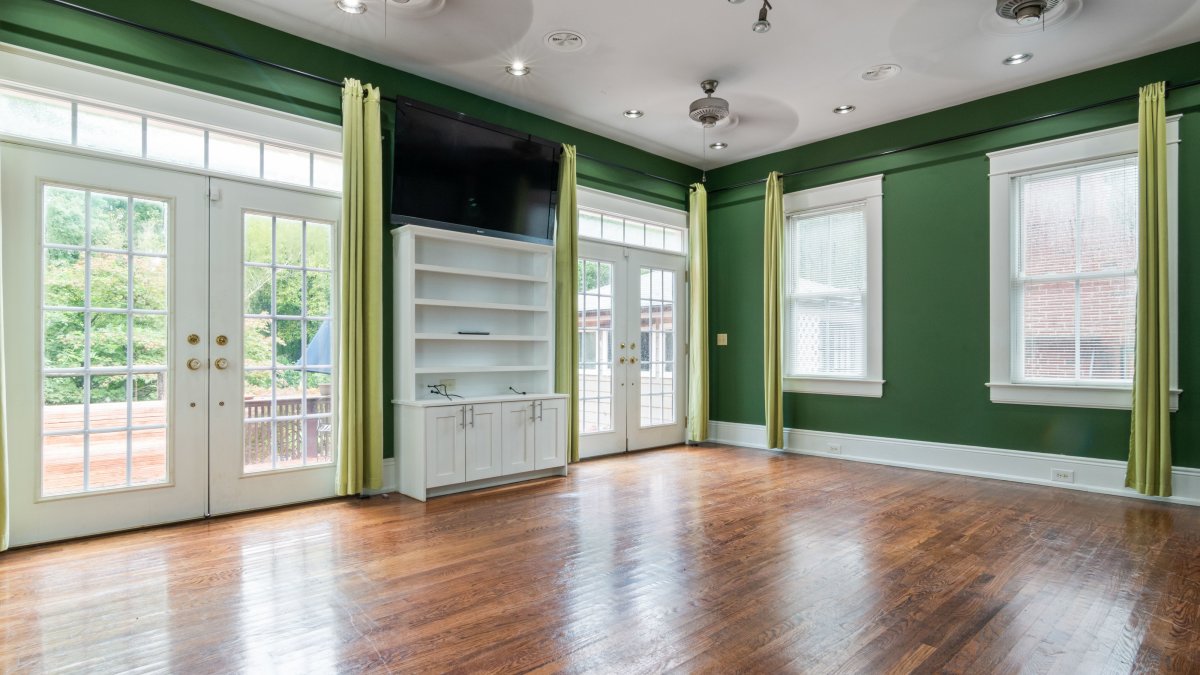
These two sit at the quiet end of the scale. Flat vs. eggshell comes down to how much wear the wall will see.
Flat paint has no reflection, so it gives deep, even color. Flat finishes are more prone to scuffs and stains, which is why flat paint works best in low-contact spots:
- Ceilings
- Adult bedrooms
- Formal living rooms
- Uneven or textured walls
Eggshell paint adds a faint glow and handles a damp cloth better than flat. It still looks calm and soft, which makes it a good default for rooms with moderate traffic:
- Living and dining rooms
- Bedrooms
- Home offices
If your walls have patches, dings, or old roller texture, flat or eggshell finishes best hide wall imperfections. If you have kids, pets, or a habit of leaning on hallway walls, eggshell is the safer pick.
Satin vs. Semi-Gloss: How They Compare in Real Rooms
Satin and semi-gloss sit next to each other on the scale, but they do different jobs.
When Satin Is the Right Choice
Satin has a smooth, soft sheen that balances durability and a polished look. It resists scuffs and cleans easily without looking shiny from across the room. Choose satin for walls in rooms that take a beating:
- Kids' bedrooms and playrooms
- Hallways and stairwells
- Kitchens and bathrooms
- Mudrooms and laundry rooms
When Semi-Gloss Is the Right Choice
Semi-gloss is the toughest and easiest to wipe of the four. It stands up to repeated cleaning, hand contact, and humidity. That makes it a strong match for:
- Baseboards, window casings, and crown molding
- Interior doors and door frames
- Kitchen and bathroom cabinets
Semi-gloss usually works poorly on large wall areas. It reflects light at an angle, and every patch line and roller texture stands out. Keep it to surfaces where durability matters more than a seamless look.
The combination used in many well-finished rooms is satin or eggshell on the walls with semi-gloss on the trim. The slight gloss difference makes trim read as crisp and defined.
Which Paint Finish Goes Where? A Room-by-Room Guide
Use this as a starting point. Wall condition and lighting can change the best answer for your home.
|
Room or Surface |
Recommended Finish |
Why It Works |
|
Living and dining rooms |
Eggshell (satin if busy) |
Soft look with some washability |
|
Adult bedrooms |
Flat or eggshell |
Calm finish that hides flaws |
|
Kids' rooms |
Satin |
Handles scuffs and cleaning |
|
Hallways and stairwells |
Satin |
High contact and frequent wiping |
|
Kitchen and bathroom walls |
Satin |
Moisture and splatter resistance |
|
Laundry and mudrooms |
Satin |
Withstands bags, boots, and humidity |
|
Ceilings |
Flat |
Reduces glare and hides flaws |
|
Trim, doors, and cabinets |
Semi-gloss |
Durable and easy to clean |
Older homes often have plaster walls, past repairs, and slight waves that glossier paint will highlight. Sheen is worth raising early when choosing the best house painting in Stamford, CT, so the plan accounts for the true condition of your walls.
Common Paint Finish Mistakes to Avoid
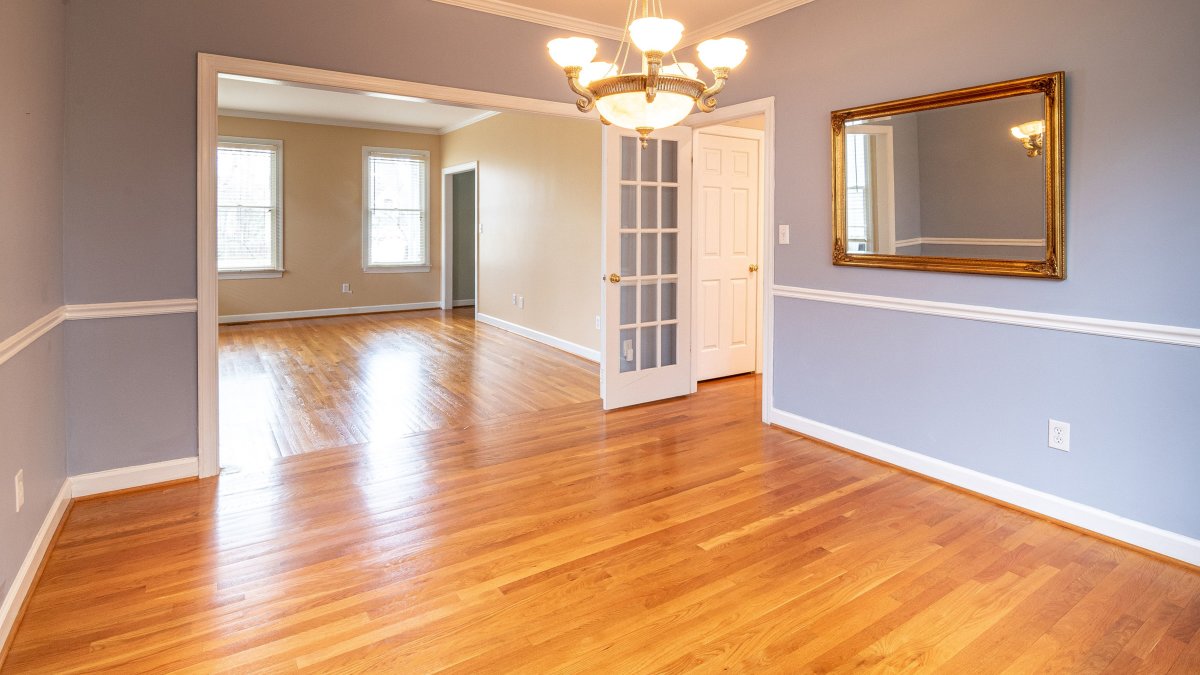
Most sheen problems come from a handful of repeat errors:
- Judging from a color chip alone. Sheen can shift how a color looks. Brush a large sample in the actual finish and check it in morning and evening light.
- Putting semi-gloss on big walls. It magnifies patches, tape lines, and texture.
- Using flat in high-contact spaces. Hallways, kitchens, and kids’ rooms will show marks quickly.
- Assuming brand names match. Companies label sheens differently, so one brand’s satin can look closer to another’s eggshell.
- Skipping prep on glossy finishes. The shinier the paint, the more patching and sanding matter.
It also helps to read up on what Trumbull, CT, homeowners should know before painting. A good written scope names the sheen for every surface, so nothing gets decided on the fly.
Does Your Home’s Age Change the Finish Plan?
It can. Repainting glossy trim often means sanding or scuffing the old surface so new paint can grip. That is routine work in a newer home. In an older one, it can disturb lead-based paint.
According to the EPA, roughly three-quarters of pre-1978 U.S. homes still contain lead-based paint, and any painting project in a home that has it can create dangerous lead dust. The EPA’s RRP Rule also requires anyone paid to disturb paint in those homes to be lead-safe certified. The rule generally does not cover homeowners working on their own property, but the dust risk is the same.
Many Connecticut homes predate 1978. If you are finding the best house painting in Ridgefield, CT, or anywhere else in the state, ask each painter whether the crew is lead-safe certified before any sanding or scraping begins. For personal health questions about lead exposure, talk to a healthcare provider.
Does the Season Affect Your Paint Finish?
Fresh paint needs steady warmth and airflow to dry evenly, and uneven drying can make a glossy finish look patchy. Interior projects are not limited to summer, but winter adds details like heat settings and ventilation. Following these tips for painting indoors during Connecticut winters can help you understand what to check before the first coat goes on.
Does Paint Finish Change the Cost of a Project?
It can, but it is rarely the biggest factor. Your estimate depends on several things:
- Number of rooms and wall size
- Wall condition and repairs needed
- Trim, door, and cabinet detail
- Prep work, priming, and number of coats
- Paint brand and product line
Product pricing varies by brand, line, and sheen. It helps to know how much a gallon of paint costs today before comparing quotes. Because no two homes are the same, a written, itemized estimate is the only reliable way to see what your project will actually cost.
Frequently Asked Questions
Is eggshell the same as satin paint?
Not exactly. Eggshell has a fainter glow, while satin is a little shinier and easier to wipe. Brands name their sheens differently, and some group eggshell and satin together, so always compare the actual sample in the sheen you plan to use.
How do you clean satin vs. semi-gloss paint?
Wait until the paint has fully cured before washing it. Cure time varies by product and can take a few weeks, so check the label. After that, use a soft cloth or sponge with mild soap and water and a light touch. Semi-gloss handles frequent cleaning better than satin, and abrasive pads can dull either finish.
Can you paint satin over semi-gloss without sanding?
Often you can, but the surface needs prep first. Glossy finishes usually need a thorough cleaning and a light scuff sanding or deglossing so the new coat can grip. Some surfaces also need a primer. In a home built before 1978, have a lead-safe certified painter handle any sanding.
Why do touch-ups show more on satin and semi-gloss walls?
Shinier finishes reflect light, so a fresh patch can look different from the cured paint around it. Small differences in sheen or color between batches make this more noticeable. Using the same paint and sheen, blending the edges, and painting to a natural break such as a corner give the best results. Flat and eggshell hide touch-ups more easily.
Does paint sheen change how a color looks?
Yes. The same color can look deeper and crisper in a lower sheen and lighter or more reflective in a glossier one, depending on the lighting in the room. Test a large sample in the exact finish and check it in morning and evening light before you commit.
Ready to Pick the Right Finish?
The right sheen comes down to one question for each surface: does it need to hide flaws, or does it need to take a beating? Walls usually want the first answer, while trim, doors, and cabinets want the second.
At Custom Colonial Painting, we have spent more than 20 years helping Connecticut homeowners match the finish to the room. We are CT licensed, EPA Lead-Safe certified, and fully insured. For professional interior painting services for Connecticut homes, we walk through your rooms, recommend a sheen for every surface, and put the plan in writing.