
What’s in This Guide
- What Should You Look For When Choosing a Painter in Newtown, CT?
- Why Does Hiring the Right Painter Matter for Newtown Homes?
- What Warning Signs Point to an Unreliable Painting Contractor?
- How Do You Vet a Painter Before Signing a Contract?
- What Factors Affect a Painting Estimate in Newtown?
- When Should You Call a Professional Painter Instead of Doing the Work Yourself?
- Frequently Asked Questions
- Find a Trusted Painter for Your Newtown Home
Choosing a painter in Newtown involves more than comparing prices. Homeowners should review contractor registration, insurance coverage, preparation methods, written estimates, references, and experience with comparable Connecticut homes before deciding who will handle the project.
Each of these factors plays a role in how the final result holds up, so it's worth reviewing them together rather than focusing on a single detail in isolation.
Quick Facts
- Verify active CT HIC registration before hiring any Newtown painter.
- Proper surface preparation is one of the most important factors affecting how long a painted finish lasts.
- Pre-1978 homes may carry hidden lead paint layers requiring extra care.
- A vague estimate without written scope or pricing is a red flag.
- Painting costs vary by scope, surface condition, materials, access, and preparation requirements, so pricing should be based on the details of the individual project.
What Should You Look For When Choosing a Painter in Newtown, CT?
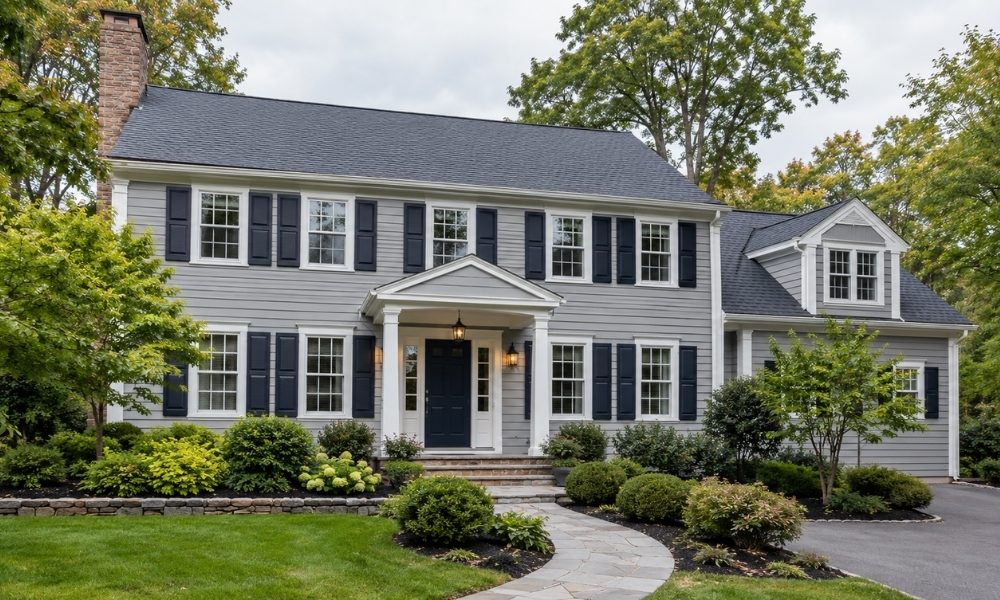
Several practical factors can help homeowners compare painters before work begins. Registration, insurance, preparation methods, written estimates, references, and local experience provide a clearer picture of how a contractor approaches a project.
Active Connecticut HIC Registration
A contractor performing covered residential painting work in Newtown should have an active Connecticut Home Improvement Contractor registration. Homeowners can request the registration number and verify its current status with the Connecticut Department of Consumer Protection.
Proof of Liability Insurance
Ask for documentation showing that the contractor’s general liability coverage is current. The policy may provide coverage for certain property-damage claims arising during the project, subject to its terms and exclusions.
A Documented Prep Process
A painter should be able to explain the planned preparation steps, including cleaning, scraping, sanding, repairs, priming, caulking, and protection of surrounding surfaces when those tasks apply.
A Written, Itemized Estimate
Look for a quote that breaks the project into specific components rather than presenting only a single number. This makes it easier to compare contractors and understand what the proposed price includes.
Local Experience Across Newtown
Experience with homes in Newtown can help a painter recognize common architectural details, exterior conditions, access limitations, and seasonal scheduling concerns. Ask prospective contractors whether they have completed comparable projects in areas such as Sandy Hook, Dodgingtown, or central Newtown.
Why Does Hiring the Right Painter Matter for Newtown Homes?
Newtown’s architecture, seasonal conditions, and mix of older and newer homes can affect preparation, product selection, access, and application methods. These factors should be considered when comparing painters and reviewing a proposed scope of work.
Newtown’s Architectural Detail Demands a Careful Hand
Many homes in town feature shutters, columns, and trim that need precise cutting-in, not just a quick pass with a roller or sprayer. Skilled prep and application protect that detail over time.
Connecticut’s Freeze-Thaw Cycle Tests Every Finish
Repeated freezing, thawing, and moisture exposure can contribute to movement and deterioration in exterior surfaces. Proper preparation and application within the coating manufacturer’s recommended conditions can reduce the risk of premature peeling, cracking, or loss of adhesion.
Older Homes May Carry Hidden Paint Layers
A share of Newtown’s housing stock predates 1978, which means older paint layers may be present beneath the current finish. That possibility changes how prep work should be approached.
A Well-Kept Exterior Supports Appearance and Surface Protection
A clean, evenly finished exterior can improve the appearance of a property and help protect exposed siding, trim, and other painted surfaces. Careful application is particularly important on homes with detailed colonial or historic-style features.
Price should be considered alongside preparation methods, material specifications, contractor registration, insurance, references, and the written scope. Experience with similar Newtown properties may also help a contractor identify relevant access, surface, and scheduling considerations.
What Warning Signs Point to an Unreliable Painting Contractor?
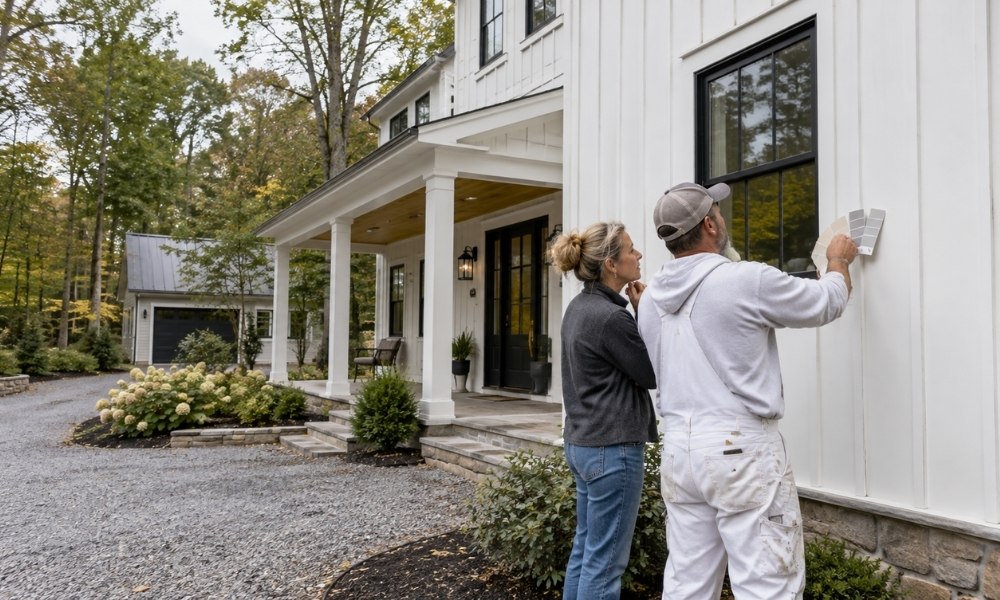
Warning signs may include a one-line estimate, no explanation of surface preparation, unverifiable registration or insurance, and pressure to approve the work or make a substantial payment before the scope is clear.
Watch for these red flags during the estimate process:
|
Warning Sign |
Why It Matters |
|
Vague, one-line pricing |
Leaves the scope, preparation steps, materials, coat count, schedule, and total price unclear |
|
No prep work mentioned |
Inadequate preparation can contribute to premature peeling, cracking, or loss of adhesion |
|
Cannot confirm HIC registration |
The contractor’s eligibility to perform covered home-improvement work cannot be confirmed |
|
No proof of insurance |
Makes it harder to verify available coverage for certain project-related claims |
|
Large upfront deposit requested |
Payment terms should be clearly documented and reviewed before signing |
|
Dismissive about older paint layers |
May indicate inadequate attention to applicable lead-safe work requirements |
These signs do not guarantee a poor outcome, but each one warrants clarification before a homeowner signs a contract or makes a payment.
How Do You Vet a Painter Before Signing a Contract?
Vetting a painter involves six practical checks: registration, insurance, preparation methods, written scope, warranty terms, and references. Applying the same checks to each contractor makes the proposals easier to compare.
- Confirm active HIC registration. Connecticut’s Home Improvement Act generally requires contractors performing covered residential painting work to register with the Department of Consumer Protection. Ask for the registration number and verify it directly with the state before signing.
- Ask for proof of general liability insurance. Review the current certificate and confirm that the contractor has coverage that may apply to certain property-damage claims arising during the project.
- Ask how the contractor handles older paint layers. The EPA’s Renovation, Repair, and Painting Rule may apply when covered work disturbs painted surfaces in qualifying pre-1978 homes. Ask whether the contractor is EPA-certified for applicable work and how lead-safe requirements will be addressed.
- Request a detailed written estimate. It should list surface prep steps, paint brand, number of coats, project timeline, and total cost, not just a bottom-line figure.
- Ask about the workmanship warranty. Get the coverage terms in writing, including what would void it.
- Check reviews and ask for references. Look for consistent mentions of clean job sites, on-time completion, and clear communication from homeowners in Newtown or nearby Fairfield County towns.
READ MORE: The Pros and Cons of DIY vs. Hiring Professional Painters
What Factors Affect a Painting Estimate in Newtown?
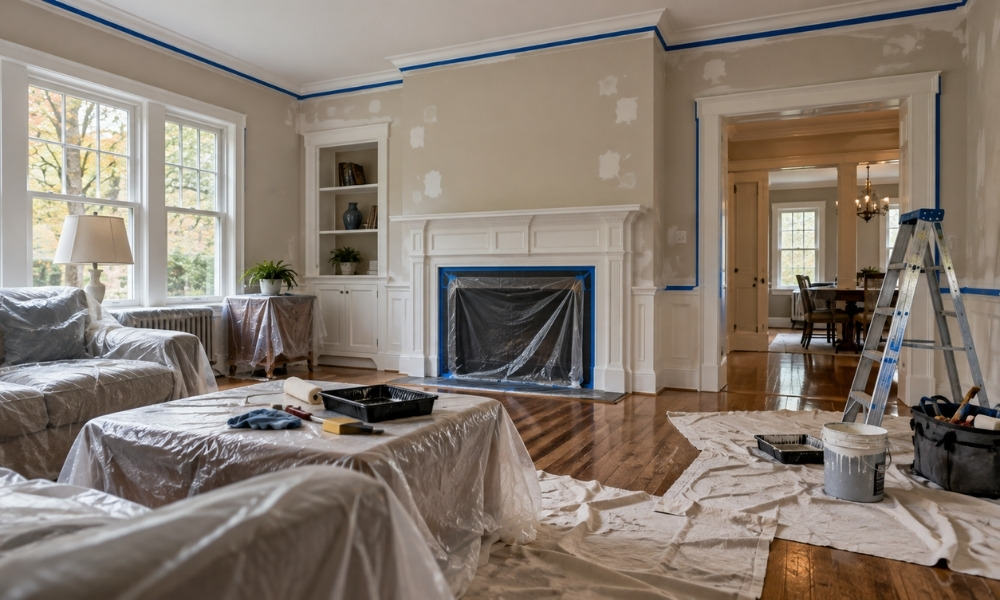
Painting costs in Newtown vary widely, so there isn’t a single number that applies to every property. The factors below shape what goes into a personalized estimate.
Project Scope
Interior work, exterior work, or both, along with how many rooms or elevations are involved, sets the starting point for any estimate.
Surface Condition
Peeling paint, wood rot, or moisture damage add prep time and material cost before a single coat goes on.
Home Size and Layout
Square footage, ceiling height, and architectural detail all influence how many labor hours a project requires.
Materials Selected
Paint brand, finish type, and number of coats each play a role in the final price.
Access and Site Conditions
Multi-story homes or tight lot lines can call for additional equipment, which affects cost.
Timing
Scheduling during peak season can affect both availability and how soon a project can start.
A project-specific estimate should account for the scope, surface condition, preparation requirements, materials, access, scheduling assumptions, and any repairs identified before painting begins.
When Should You Call a Professional Painter Instead of Doing the Work Yourself?
Some painting projects involve lead-safety requirements, extensive surface damage, difficult access, detailed finish work, or other conditions that may exceed a homeowner’s equipment or experience. The following situations warrant additional caution when deciding between DIY work and professional service.
Your Home Was Built Before 1978
Homes built before 1978 may contain lead-based paint beneath newer coatings. When a project will disturb a painted surface, determine whether the EPA Renovation, Repair, and Painting Rule applies and use a contractor with the required certification when applicable.
Exterior Surfaces Show Peeling, Cracking, or Bare Wood
Peeling, cracking, bare wood, rot, or moisture staining may indicate a problem that extends beyond a simple touch-up. The affected areas should be evaluated to determine whether cleaning, scraping, repairs, moisture correction, priming, or broader coating removal is needed.
The Project Involves Ladder Work Above a Single Story
Work above the first story may require extension ladders, scaffolding, lifts, fall-protection measures, and experience working around roofs, landscaping, and uneven ground. Homeowners should consider whether they have the appropriate equipment and training before attempting the work.
Detailed Trim or Historic-Style Millwork Needs Precise Cutting-In
Shutters, columns, and intricate trim take a steadier hand and more time than flat wall surfaces. A rushed job on detailed woodwork tends to show almost immediately.
You Want a Workmanship Warranty on the Finished Result
DIY work does not include a contractor-provided workmanship warranty. Some registered painting contractors offer written warranty coverage, but the duration, exclusions, maintenance requirements, and remedy should be reviewed before the agreement is signed.
|
Factor |
DIY Painting |
Professional Painter |
|
Suspected lead paint |
Confirm applicable lead-safe requirements before disturbing the surface |
Use an EPA-certified contractor when the RRP Rule applies |
|
Multi-story exterior work |
Higher risk |
Better equipped |
|
Surface damage such as rot, peeling, or moisture deterioration |
Limited repair ability |
Can evaluate coating and preparation needs and identify when another trade may be required |
|
Detailed trim or millwork |
Time-intensive, variable results |
Precise, experienced finish |
|
Workmanship warranty |
Not available |
Availability and terms vary by contractor |
Frequently Asked Questions
What should you do to prepare your Newtown home before painters arrive?
Most contractors ask homeowners to move smaller personal items and valuables out of the work area ahead of time. Larger furniture is often handled by the crew, but it’s worth confirming that detail with your painter before the project starts.
How long does a typical painting project take from start to finish?
Timeline depends on the size of the home, the amount of prep required, and whether the work is interior, exterior, or both. A contractor can give you a realistic timeframe once they’ve assessed your specific project.
Can Newtown homeowners get help choosing paint colors and finishes?
Some painting contractors offer color and finish guidance as part of the consultation or estimate process. Ask whether this service is included, whether a separate color consultant is available, and whether samples or test areas can be prepared before final selections are made.
What happens if rain or cold weather interrupts an exterior project?
Exterior painting requires dry conditions and a suitable surface temperature for proper adhesion. A professional crew will typically adjust the schedule around weather rather than apply paint in conditions that could compromise the finish.
Do professional painters handle cleanup after the job is finished?
Cleanup responsibilities should be defined in the written estimate or contract. Confirm whether the contractor will remove masking materials, drop cloths, empty containers, sanding debris, and other project waste, and whether furniture or fixtures will be returned to their original positions.
Find a Trusted Painter for Your Newtown Home
Hiring a painter is easier when you have a clear understanding of the process, the products being used, and the scope of work. Custom Colonial Painting helps Newtown homeowners plan interior and exterior painting projects with recommendations tailored to the home’s condition and goals.
From the initial consultation through the final walkthrough, our team provides professional painting services backed by quality workmanship and trusted products designed for Connecticut homes.
Request a free painting estimate for your Newtown home.