
What’s In This Guide
- What Is the Real Difference Between DIY Painting and Hiring a Professional?
- What Are the Advantages of Painting Your Own Home in Connecticut?
- What Are the Risks of DIY Painting That Connecticut Homeowners Overlook?
- What Are the Benefits of Hiring Professional Painters in Connecticut?
- How Do You Decide Whether to DIY or Hire a Painter? A Practical Framework for Connecticut Homeowners
- Frequently Asked Questions
- Ready to Get a Professional Painting Estimate in Connecticut?
Connecticut homes carry real variables that most generic painting guides ignore. A large share of the state’s residential housing stock was built before 1978. Many properties sit close to the shoreline. All of them face freeze-thaw cycles, high seasonal humidity, and temperature swings that test paint film year after year. Before making any decision, here is what the project actually requires.
Quick Facts
- DIY painting saves on labor but introduces significant time, skill, and preparation risk for Connecticut homeowners.
- Professional house painting contractors deliver commercial-grade prep, durable finishes, and carry full CT licensing and insurance.
- Connecticut homes built before 1978 may contain lead paint, making EPA RRP Rule compliance a critical safety factor before any prep or scraping begins.
- True DIY cost, including time, tools, and materials, often runs far closer to a professional quote than homeowners initially expect.
- Project type and surface condition, not personal preference, should drive the final DIY versus professional decision.
What Is the Real Difference Between DIY Painting and Hiring a Professional?
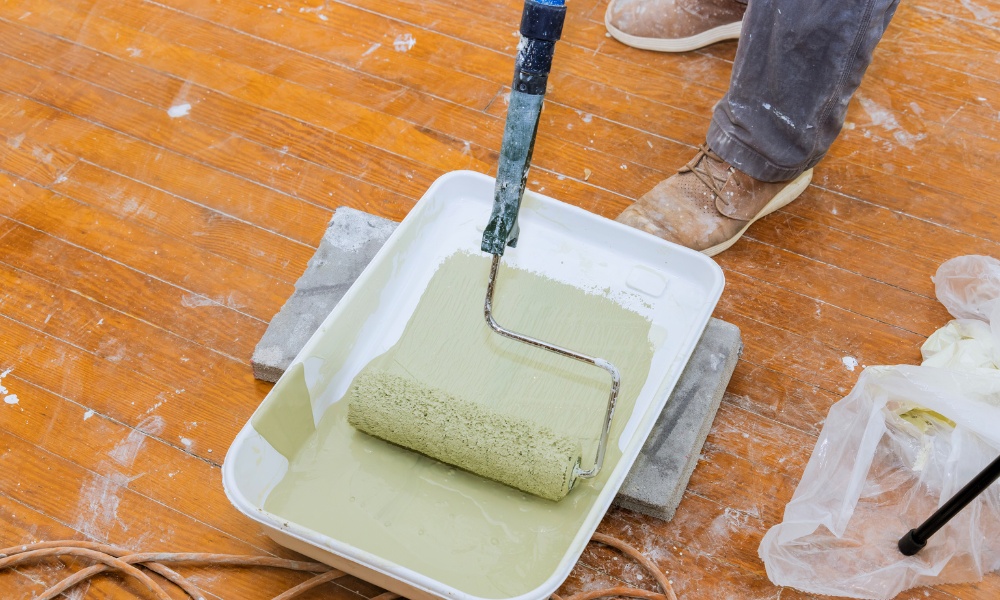
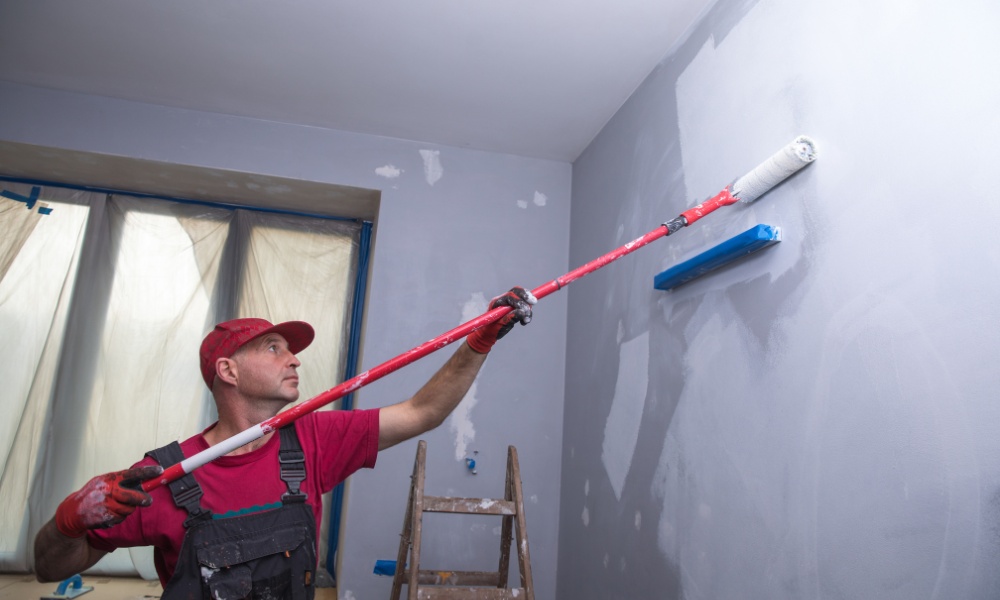
DIY painting means the homeowner manages all prep, materials, and application. Hiring a house painting contractor means a licensed crew handles everything from surface assessment through final cleanup, typically backed by a workmanship warranty.
The gap between the two is widest in prep quality and finish durability.
|
Factor |
DIY Painting |
Professional Painter |
|
Upfront Cost |
Lower (materials only) |
Higher (labor + materials) |
|
Time Required |
High (multiple weekends) |
Lower (crew efficiency) |
|
Surface Prep |
Homeowner-managed |
Contractor-managed, commercial-grade |
|
Finish Quality |
Variable |
Consistent, multi-coat system |
|
Materials Used |
Retail-grade |
Professional-grade, contractor pricing |
|
Liability Coverage |
None |
Insurance + workers compensation |
|
Warranty |
None |
Written workmanship warranty |
What Are the Advantages of Painting Your Own Home in Connecticut?
DIY painting offers two genuine advantages: lower upfront cost and scheduling flexibility.
For small, straightforward projects on surfaces in good condition, a homeowner with basic experience can achieve an acceptable result. The case for DIY weakens quickly as project size, surface complexity, and prep requirements increase.
Does DIY house painting actually save money?
Labor accounts for roughly 60 to 70 percent of a professional painting estimate. Eliminating that cost is the primary financial case for DIY. For small, low-complexity projects, the savings are real. For larger or more demanding jobs, equipment and material costs close the gap faster than most homeowners anticipate.
- Retail paint from Sherwin-Williams or Benjamin Moore ranges from $50 to $90 per gallon
- A single interior room requires 1 to 2 gallons for two coats
- Primer, brushes, rollers, tape, drop cloths, and caulk add $150 to $400 in upfront tool and supply costs
- DIY removes scheduling dependencies and gives the homeowner full timeline control
What types of projects are actually manageable as DIY?
Surface condition and accessibility determine DIY viability more than homeowner confidence does. Simple, well-maintained spaces in good condition are the best candidates.
DIY-viable projects:
- Single interior rooms with smooth, undamaged walls
- Accent walls in low-traffic spaces
- Touch-up work on surfaces already in good condition
- Basic garage interiors or utility spaces with minimal trim detail
Projects better left to professionals:
- Multi-story exterior repaints
- Surfaces with peeling, moisture damage, or rot
- Homes with significant trim, custom millwork, or architectural detail
- Any surface with suspected lead paint presence
What Are the Risks of DIY Painting That Connecticut Homeowners Overlook?
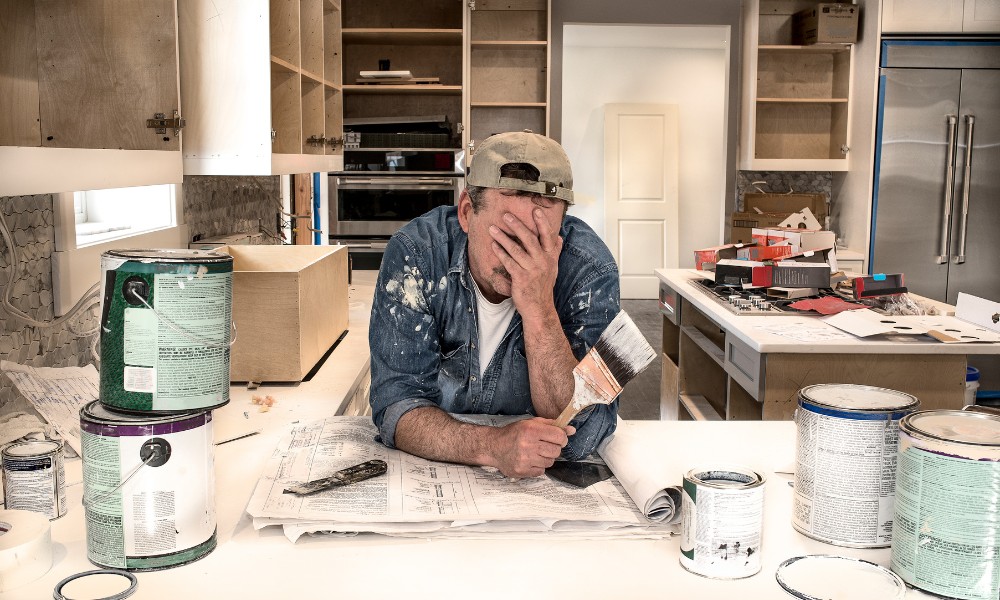
The three most common DIY risks are inadequate surface preparation, unsafe handling of lead paint in older homes, and painting outside the safe seasonal window.
Each one shortens the life of the finish. In Connecticut’s climate, the consequences show up faster than they would in more forgiving regions.
Why is surface preparation harder than it looks?
Prep work determines whether a paint job holds for three years or ten. Most DIY failures originate in inadequate surface preparation, not poor paint quality or application technique.
Professional prep includes:
- Pressure washing and mildew treatment of all exterior surfaces
- Scraping all loose and peeling paint to a firm edge
- Sanding rough transitions and feathering edges
- Filling cracks, gaps, and holes with the correct caulk or filler type
- Spot priming bare wood and patched areas
- Full-surface priming wherever adhesion is compromised
Homeowners commonly skip or rush at least three of these steps. In Connecticut’s climate, that shortcut surfaces within one to two seasons on exterior work.
What happens when DIY painting goes wrong in Connecticut weather?
Connecticut’s combination of coastal humidity, salt air, and hard freeze-thaw cycles creates specific failure conditions. Exterior paint films face more stress here than in drier, more temperate climates.
Common Connecticut DIY failure patterns:
- Blistering from painting over moisture-trapped wood or siding
- Peeling at the trim edges from insufficient caulking before application
- Mildew growth on north-facing or consistently shaded siding
- Cracking and flaking from paint applied outside the safe temperature window (above 50°F and below 90°F surface temperature)
Repainting a failed DIY exterior typically costs more than a professional estimate would have. Surface damage from improper prep usually requires additional repairs before a new coat can be applied.
|
⚠︎ |
Important safety note: lead paint in older Connecticut homes Connecticut homes built before 1978 may contain lead-based paint. The EPA’s Renovation, Repair, and Painting (RRP) Rule requires certified contractors to follow lead-safe work practices on pre-1978 residential homes. Homeowners performing their own work are not subject to contractor certification requirements, but the EPA strongly recommends following lead-safe practices regardless. If lead paint is present or suspected, consult a certified lead inspector before beginning any prep, sanding, or scraping. |
How much time does a DIY painting project actually take?
Time is the most consistently underestimated DIY cost. A professional crew completes in days what takes a solo homeowner several weekends.
|
Project Type |
DIY Time Estimate |
Professional Crew Estimate |
|
Single interior room |
1 to 2 days |
4 to 8 hours |
|
Full interior (2,000 sq ft) |
3 to 5 weekends |
3 to 5 days |
|
Exterior (1,500 sq ft home) |
4 to 8 weekends |
4 to 7 days |
|
Exterior (2,500+ sq ft home) |
8 to 14 weekends |
7 to 12 days |
These estimates assume basic prep conditions. Significant surface repairs extend both timelines.
What Are the Benefits of Hiring Professional Painters in Connecticut?
Professional painters deliver three things a homeowner cannot easily replicate: commercial-grade preparation, access to contractor-tier products, and financial protection through licensing and insurance. In Connecticut, hiring a licensed contractor also shifts liability for property damage and on-site injury off the homeowner entirely.
What does a house painting contractor actually do that a homeowner cannot?
Professional painters bring equipment, product access, and process knowledge that retail painting cannot replicate. The difference is most visible in prep quality and how long the finish holds.
What a licensed Connecticut painting contractor provides:
- Commercial pressure washing and surface treatment equipment
- Contractor-grade paint at professional pricing, not available at retail
- Multi-coat application systems matched to surface type and environmental exposure
- Proper masking, floor and furniture protection, and site cleanup
- Written workmanship warranty covering application defects
- General liability insurance protects the homeowner from property damage claims
- Workers’ compensation coverage protects the homeowner from on-site injury liability
What should Connecticut homeowners look for when hiring a painter?
Connecticut requires residential painting contractors to hold an active Home Improvement Contractor (HIC) registration through the Connecticut Department of Consumer Protection. Verifying that registration before signing anything is a baseline step, not an optional one.
Hiring checklist for Connecticut homeowners:
- Active CT HIC registration number (searchable at the CT DCP portal)
- General liability insurance with a minimum $1,000,000 coverage
- Workers’ compensation coverage for all crew members
- EPA Lead-Safe Renovation certification for projects on pre-1978 homes
- Written estimate detailing scope, prep steps, product brands, coat count, and timeline
- Workmanship warranty confirmed in writing
- References from comparable projects completed in Connecticut
How Do You Decide Whether to DIY or Hire a Painter? A Practical Framework for Connecticut Homeowners

Step 1: Assess the scope and surface condition of your project
Identify the total area, surface material, and current condition before anything else. Peeling paint, wood rot, visible mildew, or significant gaps at trim or window frames indicate prep complexity that consistently favors a professional.
Step 2: Determine whether your home was built before 1978
Pre-1978 construction carries a meaningful probability of lead paint presence in older layers. If your home falls into this category, test before any sanding or scraping begins. The EPA’s lead paint resources for homeowners outline how to identify risk and proceed safely.
Step 3: Calculate your true DIY cost
|
Cost Category |
DIY Estimate |
Professional Range (CT) |
|
Paint (exterior, 1,500 sq ft) |
$300 to $600 |
Included in project quote |
|
Primer |
$80 to $150 |
Included in project quote |
|
Tools and equipment |
$150 to $400 |
Included in project quote |
|
Prep supplies |
$50 to $100 |
Included in project quote |
|
Estimated materials total |
$580 to $1,250 |
$4,500 to $9,000 (full project) |
Labor is not in the DIY column, but time is not free. Weigh 4 to 14 personal weekends against the full professional quote before concluding that the savings are significant.
Step 4: Evaluate your seasonal window
Exterior painting in Connecticut requires surface temperatures between 50°F and 90°F, low relative humidity, and no rain forecast for 24 to 48 hours after application. The practical exterior painting window runs from late May through early October. Missing that window typically means a full year’s delay.
Step 5: Match the project type to the right approach
|
Project Type |
Recommended Approach |
|
Single interior room, good surface condition |
DIY viable |
|
Multi-room full interior repaint |
Professional recommended |
|
Single-story exterior, good condition, minimal trim |
DIY viable with painting experience |
|
Multi-story exterior or complex trim detail |
Professional recommended |
|
Any surface with peeling, rot, or moisture damage |
Professional required |
|
Pre-1978 home with suspected lead paint presence |
Professional required |
|
Historic or architecturally detailed Connecticut home |
Professional required |
Frequently Asked Questions
How much does it cost to hire professional painters in Connecticut?
Interior painting in Connecticut typically runs $2,500 to $6,500 for a full home repaint. Exterior painting ranges from $4,000 to $9,000 for most residential projects. Final cost varies based on home size, surface condition, prep complexity, product selection, and location within Connecticut.
Is DIY painting worth it for interior rooms?
For small, well-maintained rooms with minimal trim and no surface repairs needed, DIY is a reasonable option when the homeowner has basic painting experience and adequate time. Rooms with heavy trim, tall ceilings, or surface damage produce better results under professional application.
What questions should I ask a house painting contractor before hiring?
Ask these six questions before signing any contract:
- Are you currently registered as a Connecticut Home Improvement Contractor?
- Do you carry general liability and workers’ compensation insurance?
- Are you EPA Lead-Safe certified for work on pre-1978 homes?
- What surface preparation steps does your estimate include?
- What specific paint brands and product lines will you use?
- Do you provide a written workmanship warranty?
How long does a professional exterior paint job last in Connecticut?
A properly prepped and professionally applied exterior paint job in Connecticut typically holds 7 to 10 years on well-maintained surfaces. Homes with direct coastal or shoreline exposure may see a shorter cycle of 5 to 8 years due to salt air, elevated moisture, and UV intensity.
What are the most common DIY painting mistakes Connecticut homeowners make?
- Painting in high humidity or outside the safe surface temperature window
- Skipping primer on bare or previously unpainted wood
- Using interior-grade paint on exterior surfaces
- Inadequate caulking at trim, windows, and door frames before application
- Applying a second coat before the first has fully cured
- Underestimating prep requirements on older Connecticut housing stock
Ready to Get a Professional Painting Estimate in Connecticut?
For projects that fall into the professional-recommended or professional-required categories, the quality difference is measurable, and the gap between DIY and professional cost is typically smaller than it first appears. The more complex the prep, the more the professional option holds its value.
Custom Colonial Painting has completed thousands of residential painting projects across Connecticut over more than 20 years, working exclusively with Sherwin-Williams and Benjamin Moore products on every job.
- CT Licensed (HIC #0630904), EPA Lead-Safe certified, and fully insured with $2,000,000 general liability and $500,000 workers’ compensation coverage
- Painters averaging 15-plus years of hands-on experience per crew member, with no subcontracting
- Free written estimates with full scope, product specifications, coat count, and workmanship warranty included