
What’s In This Guide
- What Is the Average Cost to Paint Kitchen Cabinets?
- What Affects the Cost to Paint Kitchen Cabinets?
- Should You Paint, Reface, or Replace Your Kitchen Cabinets?
- What Should You Know Before Painting Cabinets in an Older Connecticut Home?
- How Do You Get an Accurate Cabinet Painting Estimate?
- Frequently Asked Questions
- Ready to Update Your Kitchen Cabinets?
If you are staring at dated cabinets and wondering about the cost to paint kitchen cabinets, you are asking the right question at the right time. Cabinets take up more visual space than almost anything else in a kitchen, and a fresh finish can change the whole room without a full remodel.
The honest answer is that cabinet painting cost depends on your kitchen. Several key factors influence the overall price, including the size of your kitchen, the total count of doors and drawer fronts, the current condition of the cabinetry, and the material and finish choices you select.
Quick Facts
- Painting cabinets typically costs far less than refacing or replacing them.
- National estimates for a full kitchen often land between $2,500 and $6,500.
- Your count of doors and drawer fronts usually matters more than room size.
- Prep, repairs, and finish choices can shift an estimate as much as the paint itself.
- Homes built before 1978 call for lead-safe practices before any sanding begins.
What Is the Average Cost to Paint Kitchen Cabinets?
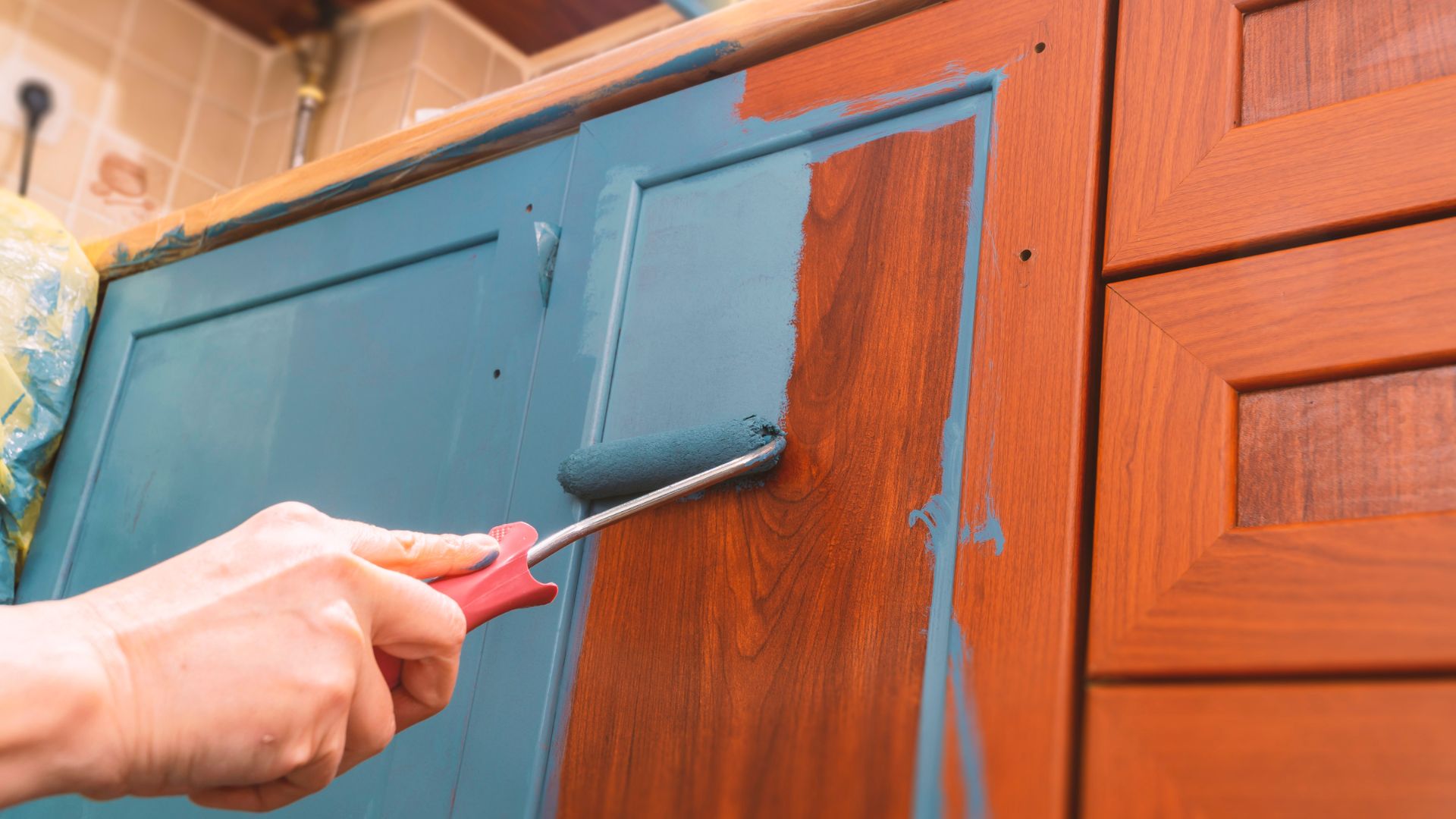
National estimates for professional cabinet painting often fall between $2,500 and $6,500 for a full kitchen, with an average near $4,000. Your own estimate may land lower or higher depending on cabinet count, condition, and finish.
Published figures vary because cost databases measure different things. Some reflect small or partial jobs, while others reflect full kitchens with prep, priming, and multiple coats. The ranges below come from the national average cost to paint kitchen cabinets professionally, updated in January 2026.
|
Kitchen Size |
Typical Doors and Drawers |
Estimated Range |
|
Small |
About 15 to 20 |
$1,000 to $3,500 |
|
Medium |
About 30 to 45 |
$3,500 to $7,000 |
|
Large (island or pantry) |
50 or more |
$5,000 to $10,000+ |
Labor makes up most of the total because the work is mostly removal, cleaning, sanding, and priming. Connecticut labor and cost of living may run above the national average, so local quotes may come in higher than these figures. Working directly with a licensed local contractor ensures you receive a precise, on-site quote tailored to your kitchen’s specific layout and condition. Treat national averages simply as a budgeting starting point for your project.
What Affects the Cost to Paint Kitchen Cabinets?
Cabinet count, current condition, application method, and finish choice are the biggest price drivers. Two kitchens of the same size can receive very different estimates.
How Many Doors and Drawer Fronts Do You Have?
Every door, drawer front, and cabinet face is a separate surface to remove, prep, prime, and coat. A compact kitchen with many small drawers can cost more than a larger one with fewer flat doors. Islands, pantries, and tall uppers add surfaces too.
What Condition Are Your Cabinets In?
Grease buildup, dents, chipped edges, and old glossy finishes all add prep time. Repairs on solid wood cabinets may add roughly $150 to $500, based on the same national data. Cabinets in good shape generally cost less to paint.
Does Cabinet Material Change the Price?
It can. Solid wood often needs more sanding and repair work, while laminate and MDF need a bonding primer and an undamaged surface to hold paint well.
Does Spray or Brush Painting Change the Price?
It can, though not always the way you would expect. Spraying tends to deliver a smoother, more uniform finish and can speed up application, but it needs careful masking and setup. Brush and roller work is slower by hand, so the difference depends on the contractor’s process and your cabinet style.
How Do Paint, Finish, and Color Affect the Estimate?
Durable cabinet-grade products cost more per gallon than basic wall paint, though paint is usually a small share of the total. Ask your painter about low-VOC paint options for cleaner indoor air in kitchens. Glossier finishes wipe clean more easily but show surface flaws, so they can call for more prep. Going from dark to white may need extra primer and coats, and new hardware can add $100 to $1,000 or more.
Should You Paint, Reface, or Replace Your Kitchen Cabinets?
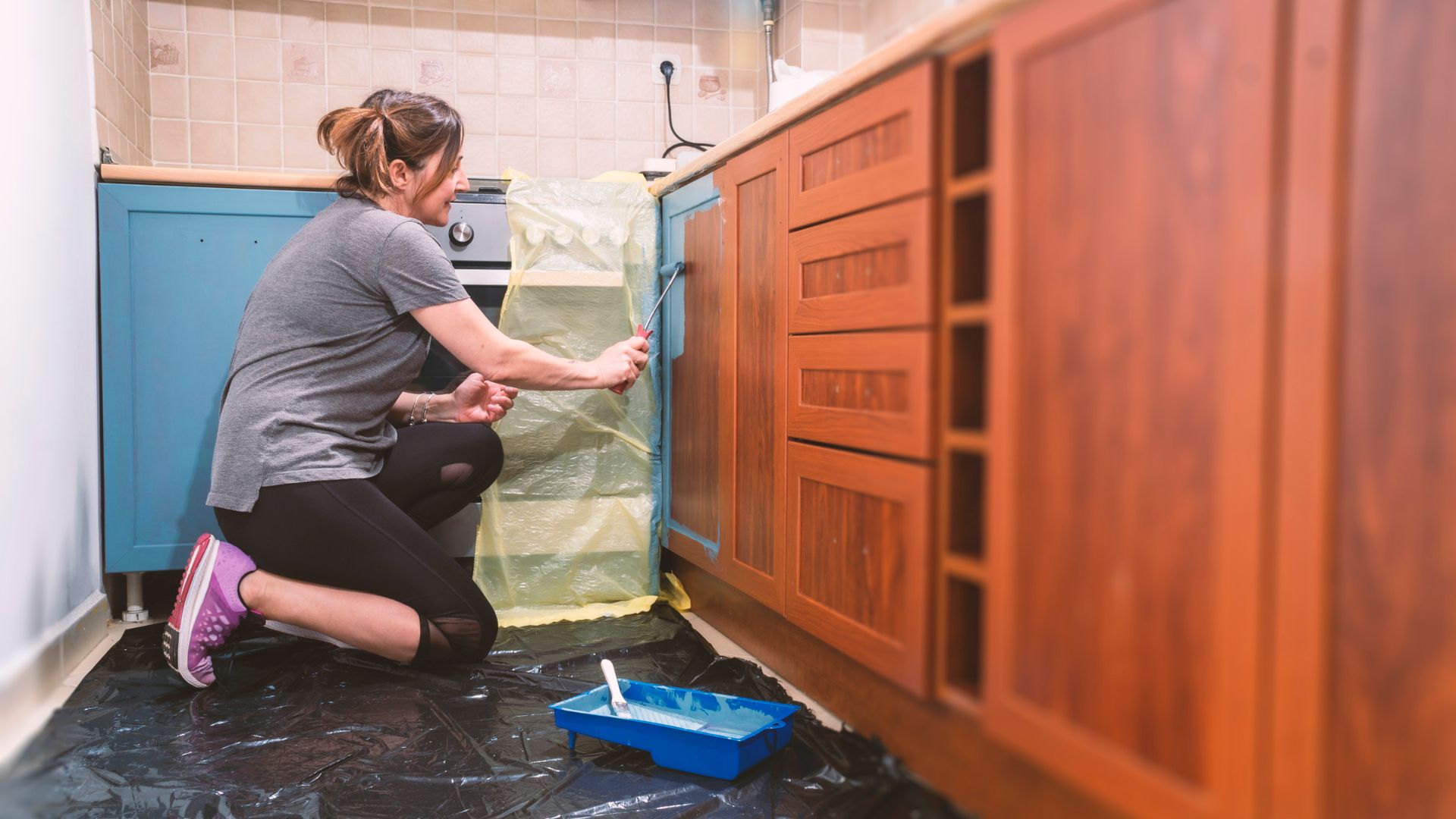
Paint if your cabinet boxes are solid and you like the layout. Reface if you want new door styles on sound boxes. Replace if the boxes are damaged or the layout no longer works.
|
Option |
What It Involves |
Estimated National Range (Angi) |
Best For |
|
Paint |
Existing doors and boxes cleaned, sanded, primed, and refinished |
About $425 to $1,467 |
Sound cabinets, new color |
|
Reface |
New doors, drawer fronts, and a new surface on existing boxes |
About 4,482 to $10,590 |
Good boxes, outdated door style |
|
Replace |
All-new cabinets, old cabinet removal, and installation |
About $2,000 to $30,000 |
Damage or layout changes |
Note that the estimated price ranges listed below reflect national averages. For more accurate and tailored pricing, we recommend contacting a local contractor for a personalized quote based on your specific kitchen requirements.
When Does Painting Make Sense?
Painting works best when your cabinet frames are structurally sound and the layout suits how you cook. It changes color and finish, not door style, so a dated door profile will still look dated, though two-tone kitchen cabinet color combinations for uppers and lowers can add contrast without replacing anything.
When Is Refacing Worth Considering?
Refacing fits homeowners who like the existing boxes but want a different door look. It costs more than painting, so it makes the most sense when paint alone will not solve the style problem.
When Should You Replace Instead?
Replacement is usually the right call for water damage, failing boxes, or a layout change. If refacing would cost more than about half of replacement, replacing may be the smarter investment.
What Should You Know Before Painting Cabinets in an Older Connecticut Home?
If your home was built before 1978, the existing cabinet paint may contain lead. Sanding and scraping can create hazardous dust, so lead-safe practices matter before any prep begins.
The EPA reports that roughly three-quarters of U.S. homes built before 1978 still contain some lead-based paint. Under EPA’s lead-safe renovation, repair, and painting program requirements, firms paid to disturb painted surfaces in those homes must be certified and follow lead-safe work practices.
The rule generally does not apply to homeowners working on their own homes, but the same precautions still protect your family. Connecticut has a large share of older housing, so ask any contractor whether they hold EPA Lead-Safe certification. Lead-safe setup can also shape how a job is planned and priced. Older kitchens may also have wallpaper on the walls, so check whether you can paint over wallpaper in an older kitchen before updating the rest of the room.
If you suspect lead in your cabinet finish, consult a certified inspector before sanding anything.
How Do You Get an Accurate Cabinet Painting Estimate?
The most reliable estimate comes from an in-person walkthrough where a painter counts every door and drawer, checks condition, and writes out the full scope.
Ask each contractor for the same scope so quotes compare fairly. Before you sign, confirm:
- Surfaces counted: Doors, drawer fronts, and cabinet boxes, listed separately
- Prep and repairs: Cleaning, sanding, patching, and priming
- Products: Paint brand, primer, finish, and number of coats
- Timeline: How long the kitchen will be affected, including cure time
- Warranty: Workmanship coverage in writing
- Registration: An active Home Improvement Contractor registration, which you can check through the Connecticut Department of Consumer Protection contractor registration lookup
A very low number often means a thinner scope, so compare what is included, not just the total. If you are also considering accent wall ideas to pair with refreshed kitchen cabinets, ask each painter to price them in the same scope so quotes stay comparable.
Frequently Asked Questions
How long does it take to paint kitchen cabinets?
Many professionals can prep and paint an average kitchen in roughly four to five days. That window covers removing doors and hardware, cleaning, sanding, priming, and applying coats, plus how long paint takes to dry between each coat. Larger kitchens, heavy repairs, or extra coats can stretch the timeline, and cure time afterward affects how soon you can use the cabinets normally.
How long do painted kitchen cabinets last?
With good prep and quality products, professionally painted cabinets are often cited as lasting around 8 to 10 years. Results vary with the paint system used and how well the surfaces were prepared. Daily wear, cooking moisture, and cleaning habits all play a part, so gentle cleaners and prompt touch-ups can help the finish last longer.
What type of paint is best for kitchen cabinets?
Durable, water-based acrylic and alkyd paints are common choices because they resist chipping and stand up to moisture and frequent cleaning. Oil-based paint is very hard-wearing but gives off more fumes and shows imperfections more readily. Satin and eggshell finishes are a popular middle ground, and a bonding primer underneath helps any of these hold up. Your painter can recommend the right system for your cabinet material.
Can you paint kitchen cabinets without sanding?
Some products are marketed as no-sand, but skipping prep raises the risk of peeling and chipping. Professionals typically clean, degloss or sand, and prime cabinet surfaces so the paint bonds well and holds up to daily use. Kitchens are tough on finishes, with grease, steam, and constant handling, which makes proper adhesion especially important.
Is it cheaper to paint kitchen cabinets yourself?
DIY removes the labor cost, and materials make up only about 15 percent of a typical professional total. The tradeoff is time, tools, and the risk of visible brush marks or uneven coverage. Cabinets are also less forgiving than walls, so mistakes tend to show, and fixing them can cost more than hiring a pro would have.
Ready to Update Your Kitchen Cabinets?
A good estimate starts with a clear look at your cabinets, your goals, and your budget. Custom Colonial Painting has completed thousands of Connecticut homes over more than 20 years, with painters averaging at least 15 years of hands-on experience.
As a fully licensed and insured local business, we specialize in high-quality interior and exterior painting, cabinet refinishing, and meticulous surface preparation tailored to New England homes.
Explore our professional interior painting services for Connecticut homeowners and kitchens, or call to talk through your project.
Related Posts