
Table of Contents
- What Actually Determines How Long Exterior Paint Lasts
- How Connecticut’s Climate Shortens Paint Lifespan
- The Role of Surface Preparation
- Signs Your Exterior Paint Has Reached the End of Its Life
- Things to Know
- Choosing the Right Contractor Extends Paint Life
- Get a Professional Assessment of Your Home’s Exterior
- Frequently Asked Questions
- The Bottom Line on How Long Exterior Paint Lasts
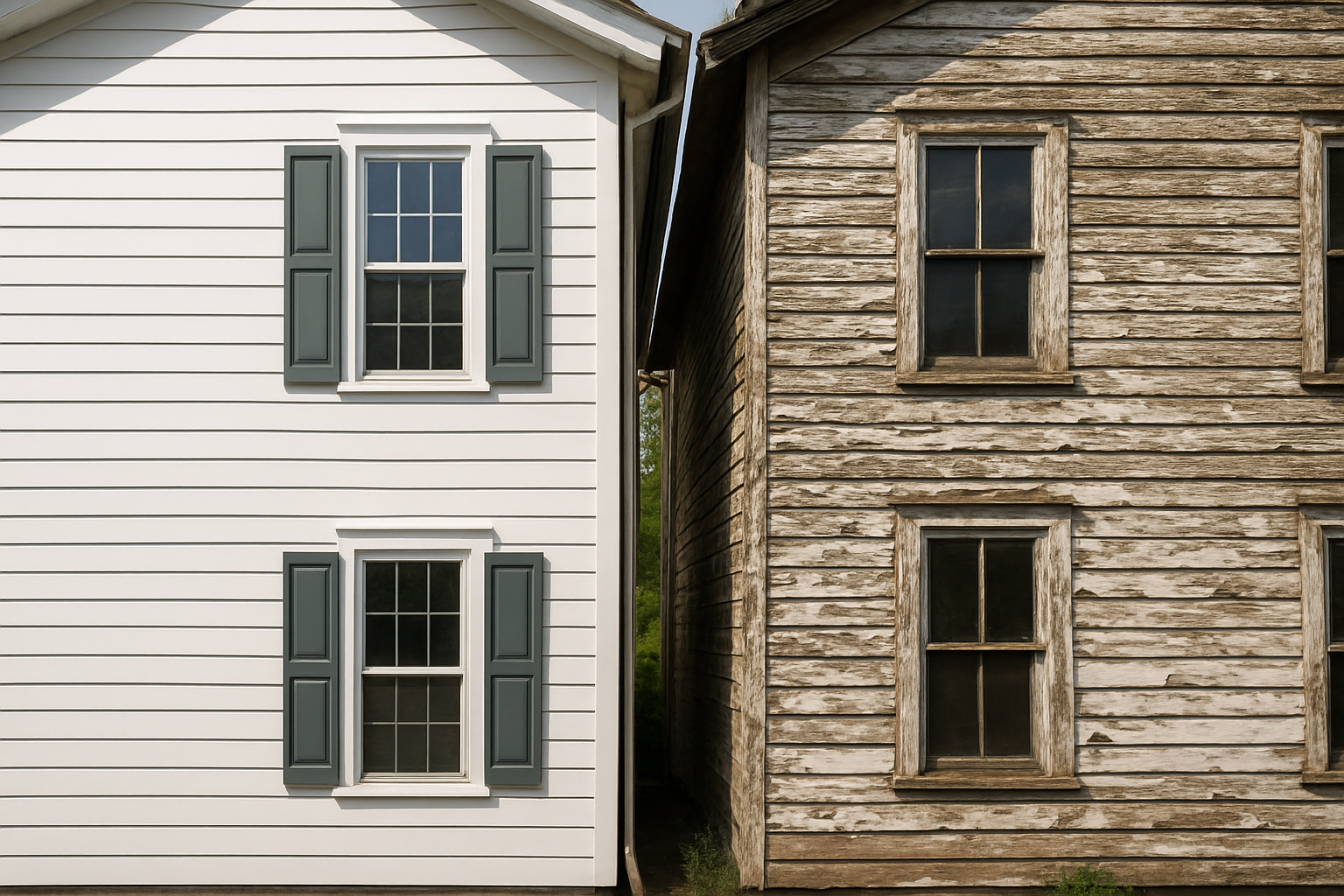
Exterior paint typically lasts between 5 and 10 years, depending on the paint type, surface material, local climate, and how well the surface was prepared before painting. Understanding what drives that range helps you plan smarter and avoid costly repaints sooner than necessary.
Key Takeaways
- Most exterior paint lasts 5 to 10 years, but wood siding, harsh climates, and poor prep can shorten that significantly.
- Paint type matters: 100% acrylic latex paint consistently outperforms oil-based and lower-grade options on exterior surfaces.
- Connecticut’s freeze-thaw cycles and humidity are especially hard on paint; product selection for your specific climate is critical.
- Surface preparation is the single biggest factor controlling how long any exterior paint job holds up.
- Peeling, fading, chalking, or cracking are clear signals it’s time to repaint before moisture damage sets in.
- Hiring an experienced, licensed contractor gives you the best chance of reaching or exceeding the upper end of the expected lifespan.
What Actually Determines How Long Exterior Paint Lasts
The short answer is: several variables working together. No single factor controls paint lifespan in isolation.
Paint quality and formulation sit at the top of the list. Premium 100% acrylic latex paints, such as those from Sherwin-Williams and Benjamin Moore, are formulated to flex with temperature changes, resist moisture penetration, and hold color longer than budget-grade alternatives. A contractor using a Sherwin-Williams Duration or Benjamin Moore Aura exterior product is giving you a fundamentally different starting point than one using a discount house brand, which is why understanding how to choose a painter in new canaan ct helps ensure they specify quality materials from the start.
Surface material also shapes expectations considerably:
- Wood siding: 3 to 7 years (most demanding; prone to moisture absorption and movement)
- Aluminum or vinyl siding: 5 to 10 years with proper adhesion prep
- Stucco: 5 to 10 years, depending on texture and sealing
- Fiber cement: 10 to 15 years when professionally applied with the right primer
- Brick or masonry: 8 to 12 years with breathable masonry paint
Climate exposure plays an enormous role. UV radiation breaks down binders. Moisture cycles cause expansion and contraction. Freeze-thaw cycles crack paint films. All of these cut time off any paint job.
How Connecticut’s Climate Shortens Paint Lifespan
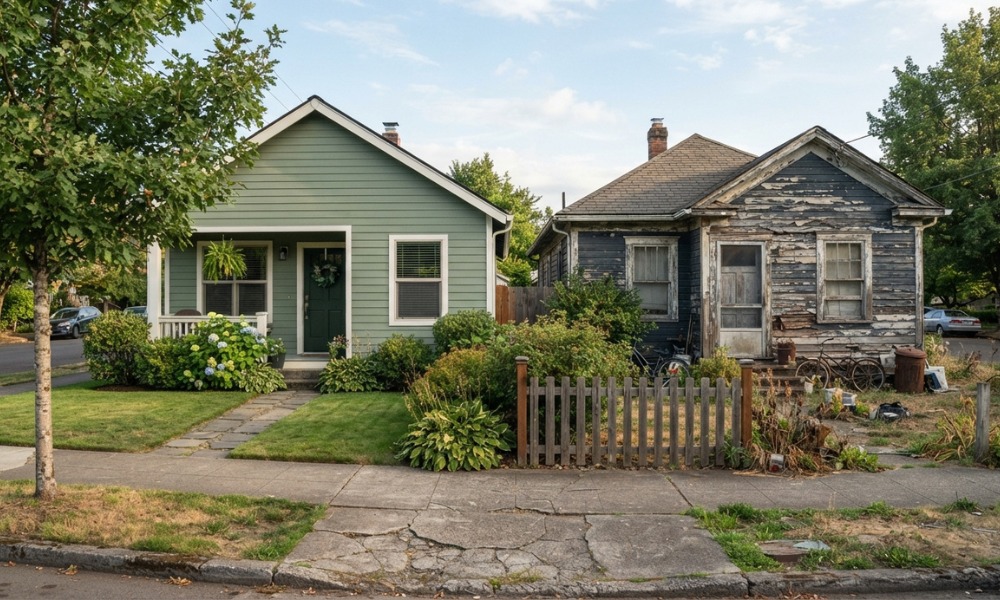
If you live in Connecticut, you are dealing with one of the more demanding paint environments in the country. Summers bring heat and humidity; winters bring freezing temperatures, ice, and snow. The freeze-thaw cycle is particularly destructive because water infiltrates microscopic cracks in the paint film, expands when it freezes, and widens those cracks with every cycle.
High humidity during summer months also keeps surfaces from drying properly between rain events, which encourages mildew growth on paint films. South-facing walls take the brunt of UV exposure, while north-facing walls hold moisture longer and stay prone to mold.
Choosing the right product for this environment matters. If you want to understand which formulations hold up against Connecticut’s seasonal swings, a breakdown of best paint new canaan ct weather conditions can steer you toward paint systems specifically suited to this region.
Homeowners in Greenwich, New Canaan, Darien, and similar coastal Connecticut towns also deal with salt air, which accelerates corrosion on metal trim components and can break down paint adhesion faster than inland areas.
The Role of Surface Preparation
If there is one point experienced painters agree on universally, it is this: surface preparation determines how long any paint job lasts, more than brand, color, or coat count.
A paint job applied over dirty, chalky, or poorly adhered old paint will fail years earlier than the manufacturer’s expected lifespan. Proper prep on an exterior repaint typically includes:
- Pressure washing to remove dirt, mildew, and chalking
- Scraping and sanding loose or peeling paint down to a stable substrate
- Spot priming bare wood, metal, or repaired areas before topcoats
- Caulking gaps around trim, windows, and penetrations to block moisture entry
- Allowing full dry time before applying any paint or primer
Skipping or rushing any of these steps introduces failure points into the system. An experienced painter treats prep as a non-negotiable part of the job, not a shortcut opportunity.
Things to Know about preparation also extend to timing. Exterior paint should not be applied below 50°F or in direct summer sun on very hot surfaces, as both conditions affect adhesion and cure quality.
Signs Your Exterior Paint Has Reached the End of Its Life
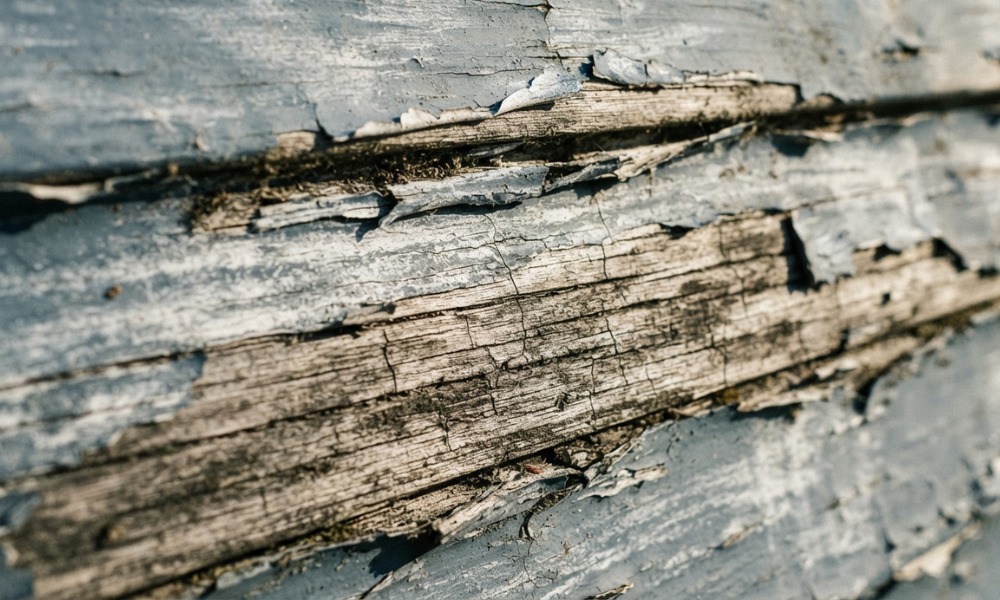
Knowing when to repaint is just as important as knowing how long paint lasts. Waiting too long lets moisture reach the substrate, which leads to wood rot, structural damage, and repair costs that far exceed the price of a timely repaint.
Watch for these warning signs:
- Peeling or blistering: Paint is losing adhesion, often due to moisture behind the film
- Cracking or checking: The paint film is too brittle to flex with temperature movement
- Chalking: A powdery residue on the surface means the binders are breaking down
- Fading: UV exposure has degraded the pigment; protection is diminishing
- Mildew or staining: Biological growth that cleaning alone cannot resolve
Any of these signals means the paint is no longer performing its primary job of protecting the substrate. Acting at the first sign of failure saves money long-term. For context on what professional repaints involve financially, reviewing the cost of painting in new canaan ct gives you a realistic picture of what to budget.
Things to Know
- Even the best exterior paint job will not last if the surface is not properly primed, especially on bare wood or previously painted surfaces with adhesion issues.
- Paint applied in cooler spring or fall temperatures (above 50°F and below 90°F) typically cures more evenly and lasts longer than paint applied in extreme heat or cold.
- Two coats of a premium product will almost always outlast three coats of a budget product applied over a poorly prepped surface.
- Darker colors fade faster on south- and west-facing walls due to higher UV exposure; factoring in orientation helps set realistic repainting expectations.
- CT HIC licensing and EPA Lead-Safe certification are non-negotiable qualifications to verify before hiring any contractor on a pre-1978 home.
Choosing the Right Contractor Extends Paint Life
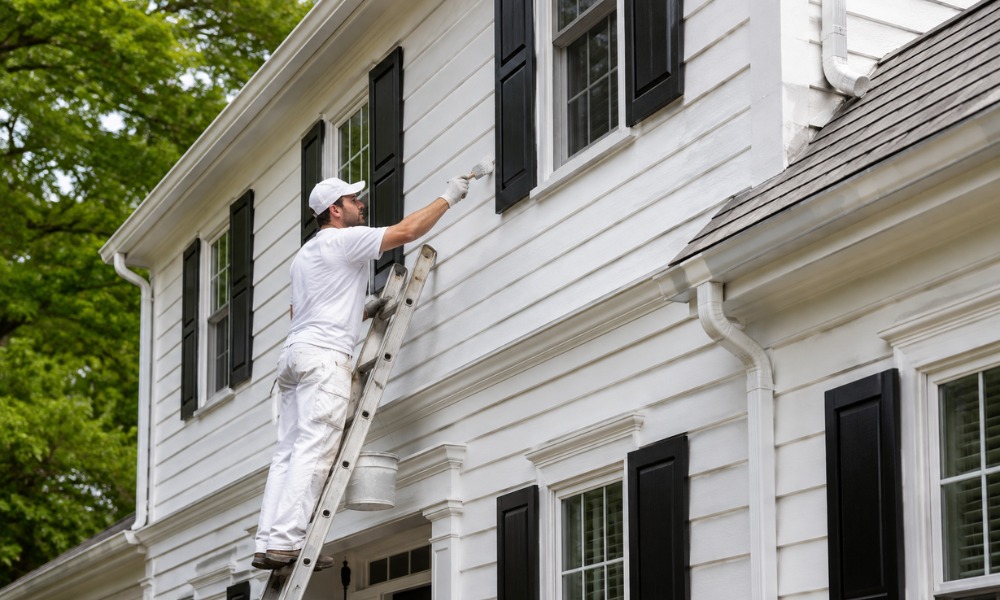
The contractor you hire has as much influence over paint longevity as the product itself. An experienced crew that follows manufacturer specifications for surface prep, primer application, spread rates, and dry times gives you the best shot at reaching the upper end of the expected lifespan.
If you are evaluating painters in the area, resources on how to choose a painter in new canaan ct walk you through the vetting criteria that matter most, including licensing, insurance, and references. For homeowners further south, a similar checklist on how to choose a painter in greenwich ct covers the same due diligence process.
Custom Colonial Painting holds CT HIC #0630904 and is EPA Lead-Safe certified, carries $2M in general liability coverage and $500K in workers’ compensation insurance, and uses Sherwin-Williams and Benjamin Moore exclusively. Their painters average 15-plus years of field experience. These credentials are not extras; they are the baseline for a paint job that lasts.
Get a Professional Assessment of Your Home’s Exterior
Your home’s paint is doing real protective work every single day against rain, UV, temperature swings, and humidity. When it starts to fail, the damage that follows is not cosmetic; it reaches the wood, the trim, and the structure itself. Catching it early and hiring qualified professionals to repaint correctly is always the less expensive option.
Contact Custom Colonial Painting today for a free, personalized estimate on your exterior project. Tell them what you are seeing on your home’s exterior and they will give you a straight assessment of what it needs. Fill out the contact form at customcolonialpainting.com/contact/ to get your estimate scheduled.
Frequently Asked Questions
Q: How long does exterior paint last on wood siding specifically?
Wood siding typically holds paint for 3 to 7 years, making it the most maintenance-demanding exterior surface.
Wood absorbs moisture, swells and contracts with temperature changes, and allows mildew to take hold more readily than other materials. Regular inspection and timely prep before repainting extend the lifespan toward the higher end of that range.
Q: Does more expensive paint actually last longer outside?
Yes, in most cases, premium 100% acrylic latex paints from brands like Sherwin-Williams and Benjamin Moore do outlast lower-grade alternatives.
Higher-quality paints contain more binder, better UV stabilizers, and higher pigment loads, all of which contribute directly to durability. The cost difference in paint product is usually small compared to the labor savings from repainting less frequently.
Q: How often should exterior paint be inspected?
A visual inspection once a year, ideally in spring after winter weather, catches early problems before they become structural issues.
Pay particular attention to south- and west-facing walls for fading and cracking, and to north-facing walls for mildew or moisture-related paint failure. Addressing small issues early is far less expensive than a full repaint caused by deferred maintenance.
Q: Can I paint over old exterior paint without stripping it?
You can, but only if the existing paint is stable, clean, and properly adhered to the surface.
Painting over peeling, chalking, or poorly bonded paint causes the new coat to fail prematurely along with the old one. A professional assessment of existing paint condition is the right starting point before deciding on an approach.
Q: What time of year is best for exterior painting in Connecticut?
Late spring through early fall, roughly May through October, offers the most reliable conditions for exterior painting in Connecticut.
Temperatures above 50°F and moderate humidity allow paint to cure correctly. Avoid painting during stretches of rain, high humidity above 85%, or temperatures expected to drop significantly within 24 hours of application.
The Bottom Line on How Long Exterior Paint Lasts
How long exterior paint lasts comes down to four things working together: the quality of the product, the condition of the surface before painting, the skill of the application, and the demands of the local climate. In Connecticut, getting all four right is what separates a paint job that holds for a decade from one that starts failing in three years.
Inspect your home’s exterior at least once a year, act on early warning signs, and work with licensed professionals who use proven products. That approach protects both your home and your investment.