
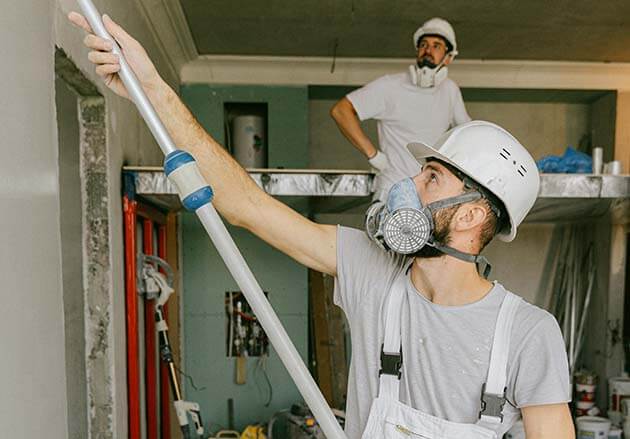
Quick Facts
- You don’t need to be home during a house painting project.
- Empty homes often allow painters to work more efficiently with fewer interruptions.
- Be there for the initial walkthrough and final inspection.
- Leaving is often safer for kids, pets, and sensitive lungs.
- Clear access and communication matter more than being on-site.
What's In This Guide
Many homeowners wonder if they need to stay home while a painting crew is working. The good news is that, in most cases, you don’t. Professional painters can usually complete both interior and exterior work without the homeowner on-site, as long as expectations are clear and the home is accessible.
You’ll still want to be available for two key moments: the initial walkthrough (to confirm scope, colors, and logistics) and the final inspection (to review quality and handle any touch-ups). Beyond that, your decision comes down to comfort, safety, and how much disruption you want during the workday.
Before you decide whether to stay or leave during your house painting project, consider the following.
The Short Answer: You Can Stay Home, But You Don’t Have To
You can stay home during a painting project. However, you are not required to be there for most of the work.
Professional painters are accustomed to working while homeowners are at the office, traveling, or temporarily staying elsewhere. As long as there is a clear plan for access, approved paint selections, and a defined scope of work, crews can complete the job without daily supervision.
When rooms are empty and routines are not interrupted, painters can:
- Move ladders and equipment without restriction
- Keep tools staged efficiently
- Work continuously without coordinating around meetings or family schedules
- Complete prep and finish coats more quickly
The key factor is not whether you are home. It is whether communication and expectations are clear from the start.
When You Should Be Home
While you do not need to be present during daily painting work, two moments matter.
Initial Walkthrough
Before the project begins, you should meet with the project manager or crew lead for a detailed walkthrough. This is where you:
- Confirm paint colors and finishes
- Review the exact rooms or exterior surfaces included
- Identify repairs, cracks, or damaged areas
- Clarify start and finish dates
- Establish daily arrival times
- Finalize the access plan
Final Inspection
At the end of the project, plan to walk through the space with the contractor. During this inspection, you can:
- Look for missed spots or uneven coverage
- Review edges, trim lines, and corners
- Confirm touch-ups are complete
- Ask questions about care and maintenance
When It’s Better to Leave During a Painting Project
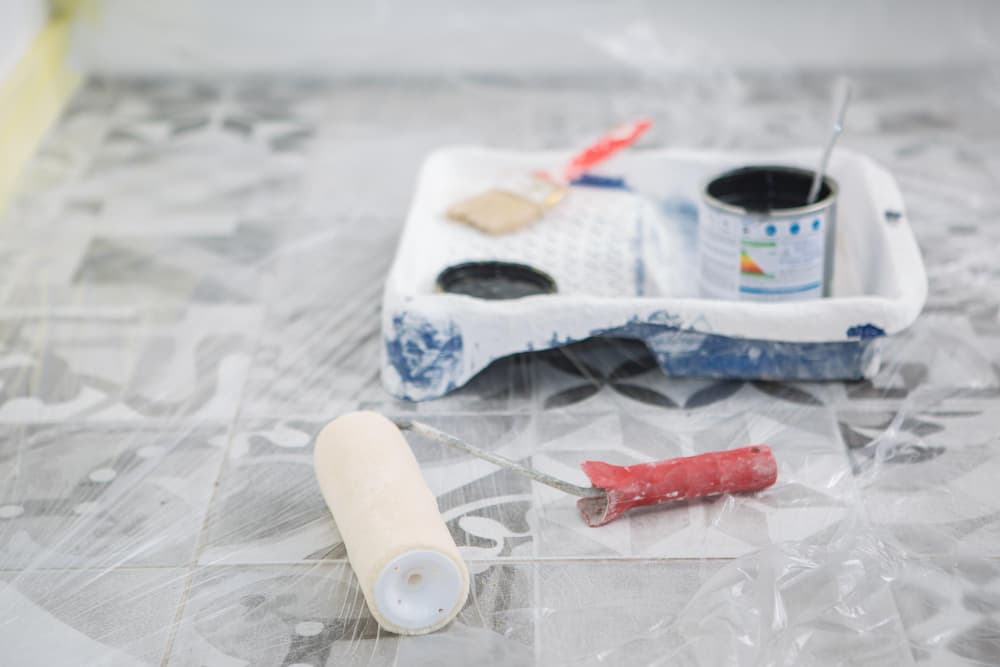
In certain situations, stepping out during a painting project can make the process more comfortable and efficient for everyone involved. Your decision should be based on health, household needs, and how much disruption you are willing to manage during work.
Health Sensitivities and Fume Exposure
If someone in your home has asthma, allergies, or sensitivity to odors, leaving during interior painting can reduce irritation and discomfort. Even low-odor paints can produce fumes that linger during application and drying.Pets and Young Children
Painting projects can be noisy and often involve doors opening and closing as crews move materials, which can be stressful for pets and young children. It can also reduce potential exposure to paint odors and other airborne chemicals, since some organic compounds found in certain coatings have been linked to cancer in animals and are suspected or known to cause cancer in humans. Stepping out during active work helps keep your household more comfortable while the crew works efficiently.Large or Multi-Room Interior Projects
When several rooms or main living areas are being painted at once, access throughout the home may be limited. Leaving can make the experience less disruptive and help the project move more smoothly.Working From Home
Prep work, sanding, and ladder movement create background noise that may interfere with meetings or concentration. If you rely on a quiet environment, working elsewhere during peak painting hours can be easier.Limited Access to Essential Areas
If kitchens, bathrooms, or primary living spaces are part of the project, daily routines may be interrupted. Temporarily stepping away can reduce inconvenience while those areas are completed.Interior vs. Exterior Painting: Does It Matter?
Whether you need to be home during painting depends partly on the type of project.
Interior Painting Projects
You can remain at home during interior painting if:
- The work is limited to isolated rooms
- Those rooms are not essential living spaces
- Ventilation is adequate
- You are comfortable with some noise
However, if multiple rooms are being painted, especially kitchens, living rooms, or hallways, staying home becomes less practical. Sanding, scraping, taping, and ladder movement create noise and limit access.
If you work remotely, you may find it difficult to focus during prep work stages.
Many homeowners choose to stay elsewhere for a day or two during larger interior painting projects. Others remain home but adjust their routines.
Exterior Painting Projects
Professional exterior painting services are different. Your presence is rarely required.
Painters work outside and typically only need:
- Clear access to the property
- Gates unlocked
- Vehicles moved from the driveway
- Outdoor furniture relocated
You may want to be available by phone in case a question arises about repairs or unexpected surface conditions. Otherwise, exterior painting can proceed smoothly without you on-site.
How to Prepare Your Home Before the Painters Arrive
If you decide not to be home during the project, preparation becomes essential. A few steps ensure everything runs smoothly.
If you will not be home during the project, a little preparation helps the work stay on schedule and reduces the chance of misunderstandings. These steps make access, expectations, and daily communication clear from day one.
Step 1: Confirm Colors and Scope in Writing
Before work begins, confirm paint colors, sheen levels, and exactly which rooms or exterior surfaces are included. Make sure details like trim, doors, ceilings, and any accent areas are spelled out.Step 2: Remove Valuables and Fragile Items
Take down wall art, mirrors, and decorative items, and store breakables and electronics away from work zones. Set aside important documents and personal valuables in a secure place. Even with careful protection, removing personal items reduces risk and stress.Step 3: Clear Access
Move small furniture away from walls if requested and keep hallways and entry points open. If closets, built-ins, or storage areas are part of the scope, empty or clear them ahead of time.Step 4: Plan Security and Entry
Agree on a secure entry method such as a lockbox, a temporary smart lock code, or a scheduled unlock plan. If you use an alarm system, provide clear instructions so access does not trigger alerts.Step 5: Secure Pets
Pets can become anxious around noise, ladders, and unfamiliar people moving through the home. Consider boarding them or keeping them in a separate, closed-off area away from the work.Step 6: Establish Communication
Decide how you will receive updates, such as end-of-day texts, progress photos, or quick calls if questions come up. Make sure the crew knows who the primary contact is and the best time to reach you.Common Concerns Homeowners Have
What About Security?
Reputable painting contractors are licensed, insured, and staffed by vetted employees. Clear access plans and documented scopes protect both parties. If security is a concern, ask about employee screening policies and insurance coverage before the project begins.Will My Home Be Messy?
Professional crews use drop cloths, plastic sheeting, and masking techniques to protect floors and furniture. Cleanup typically happens daily. Tools are consolidated and stored neatly at the end of each workday.Is It Safe to Sleep in the House During Interior Painting?
If low-odor paint is used and ventilation is strong, many homeowners remain in the house. However, if oil-based products are applied or you are sensitive to fumes, consider staying elsewhere for a night or two.Staying Home vs. Leaving: Pros and Cons
Understanding the trade-offs can help you decide what works best for your schedule, comfort level, and household needs.
| Option | Pros | Cons |
|---|---|---|
| Staying Home |
|
|
| Leaving |
|
|
Frequently Asked Questions
For more general project details, review our frequently asked questions.
How do painters handle unexpected issues if I’m not home?
Professional crews typically pause work in the affected area and contact you for direction if they uncover hidden damage or surface problems. Most companies will send photos and explain your options before proceeding. Clear communication beforehand ensures decisions can be made quickly without delaying the project.
Do I need to empty closets or cabinets being painted?
If closets, built-ins, or cabinets are included in the scope, they typically need to be cleared for proper prep and coverage. Leaving contents inside can limit access and affect results. Ask your contractor which areas must be fully emptied before work begins.
How secure is it to provide a lockbox or access code?
Lockboxes and temporary codes are common solutions for home service projects. Many homeowners prefer them because they allow controlled, time-limited access. You can update or remove access once the project is complete.
Can I check on progress while I’m away?
Yes, most painting companies are accustomed to providing updates during the project. You can request progress photos or brief check-ins to stay informed. Establishing expectations early ensures you receive the level of communication you prefer.
Is it okay to return home before the project is fully cured?
Paint may feel dry to the touch within hours, but full curing takes longer. Your contractor will advise when it is safe to move furniture back or resume normal use of painted areas. Following those recommendations helps protect the finish.
Ready to Plan Your Westport, CT Painting Project?
If you are planning an interior or exterior painting project in Westport, CT, Custom Colonial Painting provides professional residential painting services with detailed prep work, clean job sites, and careful attention to finishes. We can handle interior walls, ceilings, trim, doors, and cabinets, as well as exterior siding, trim, and other surfaces that need a durable, weather-ready coat.
Reach out to us to discuss your project scope, get a clear estimate, and schedule a walkthrough so the work can move forward smoothly from start to finish.
Get a free estimate from Custom Colonial Painting today!