
What’s In This Guide
- Why Is Painting Radiators Different From Painting a Wall?
- Do You Need to Test for Lead Before Painting Radiators?
- What Is the Best Radiator Paint for Heat?
- How Do You Prep a Radiator for Paint?
- How Do You Paint a Radiator Step by Step?
- What Mistakes Ruin a Radiator Paint Job?
- Frequently Asked Questions
- Ready to Repaint Radiators the Safe Way?
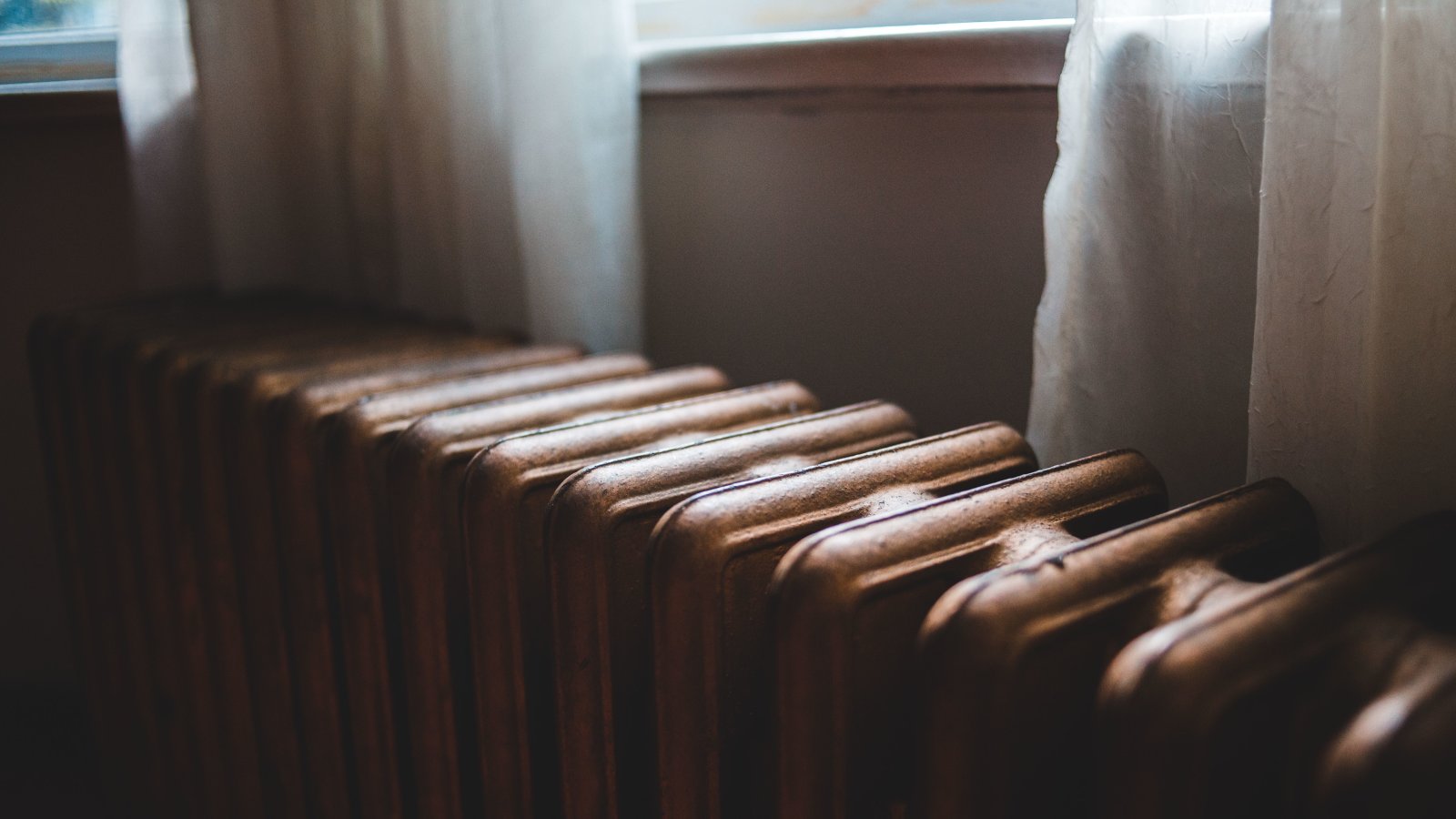
Painting radiators sounds like an easy weekend upgrade. In an older Connecticut home, it takes more care than that. Cast iron units run hot, can rust at the seams, and often carry decades of paint layers that may include lead.
The short version: choose a heat-rated radiator paint, treat rust before you prime, and settle the lead question before anyone sands or scrapes. Skip one of those and the finish is far more likely to fail early, or old paint dust could end up in the room where your family lives.
Here is how to handle each step, and when a certified pro is the smarter call.
Quick Facts
- Radiators need heat-rated paint, because standard wall paint can crack, yellow, and peel.
- Rust should be treated before priming, or it can lift your new finish.
- Homes built before 1978 may contain lead paint, so test before you sand.
- Thin coats and a full cure give the finish its best chance to last.
- A Lead-Safe certified pro is the recommended call when paint is peeling or lead is confirmed.
Why Is Painting Radiators Different From Painting a Wall?
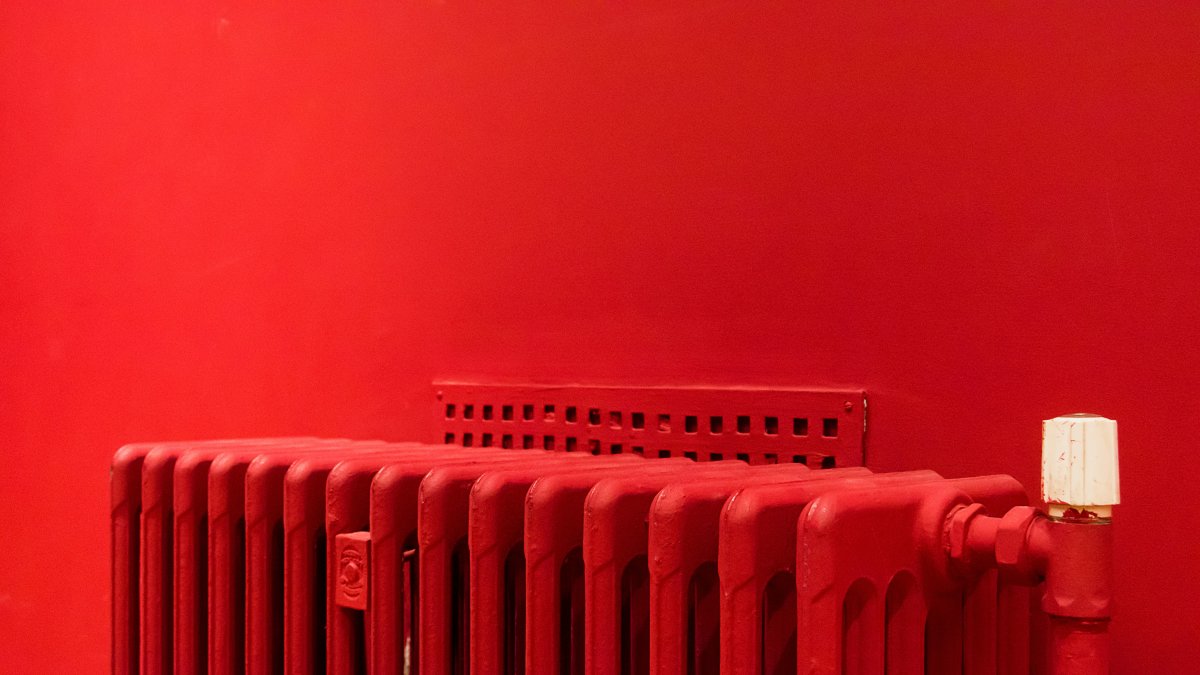
Radiators combine high surface heat, moisture-driven rust, and old paint layers. Standard wall paint and a quick sand are unlikely to hold up, and in an older home the sanding itself can become a safety problem.
From Colonials near the shoreline to Victorians in the Hartford area, cast iron radiators are a fixture in older Connecticut homes. Roughly 70% of Connecticut homes predate 1980, which puts most local homeowners in the range where old paint deserves a closer look before prep begins.
Heat Breaks Down Ordinary Paint
In a steam system, water is heated to its 212-degree boiling point before it reaches the radiator. Hot water systems typically run cooler, but the surface can still get far hotter than a wall. Paint that was never built for that heat can crack, yellow, and peel.
Rust Undermines Adhesion
Temperature swings and moisture invite rust, which often shows up at seams, feet, and valve joints. New paint over loose rust tends to lift, even with a quality topcoat. If a leaking joint stains the wall behind the unit, fix the leak first, then check what drywall repair costs after water damage.
Old Coatings Can Hold Lead
Radiators in older homes have often been repainted many times. Any layer applied before 1978 may contain lead, and constant expansion and cooling can leave that paint chipped or flaking.
Do You Need to Test for Lead Before Painting Radiators?
Yes, if your home was built before 1978. Test, or assume lead is present, before any sanding, scraping, or stripping, because disturbing old paint can create hazardous lead dust.
What Do the Numbers Say?
Federal data shows about three-quarters of pre-1978 U.S. homes contain lead paint. The same guidance notes that children can live safely in these homes while paint stays in good condition and surfaces stay clean. The hazard comes from paint that is disturbed or deteriorating.
Why Is Dry Sanding the Real Risk?
Connecticut health guidance says to never dry scrape or sand painted surfaces and to wet painted surfaces before disturbing them. Radiator fins and crevices trap paint chips, so a quick scrape can send fine dust into the room.
How Does Lead Testing Work?
Swab kits at the hardware store sound convenient, but kit recognition only applies to Lead-Safe Certified renovators under federal rules. A certified inspector, a risk assessor, or an accredited laboratory analysis is the more dependable route. When in doubt, treat the paint as lead-containing.
When Should You Call a Certified Pro?
In most cases, contractors paid to disturb paint in pre-1978 homes must hold lead-safe certification. The rule generally exempts homeowners working on their own property, yet federal guidance says homeowners should hire lead-safe certified contractors for pre-1978 projects.
Stop and call a pro if a test comes back positive, the radiator paint is peeling, or you cannot confirm your home's age. A Lead-Safe certified crew handling professional interior painting for Connecticut homes of every age is trained in lead-safe work practices, including containment and HEPA cleanup, to limit dust.
What Is the Best Radiator Paint for Heat?
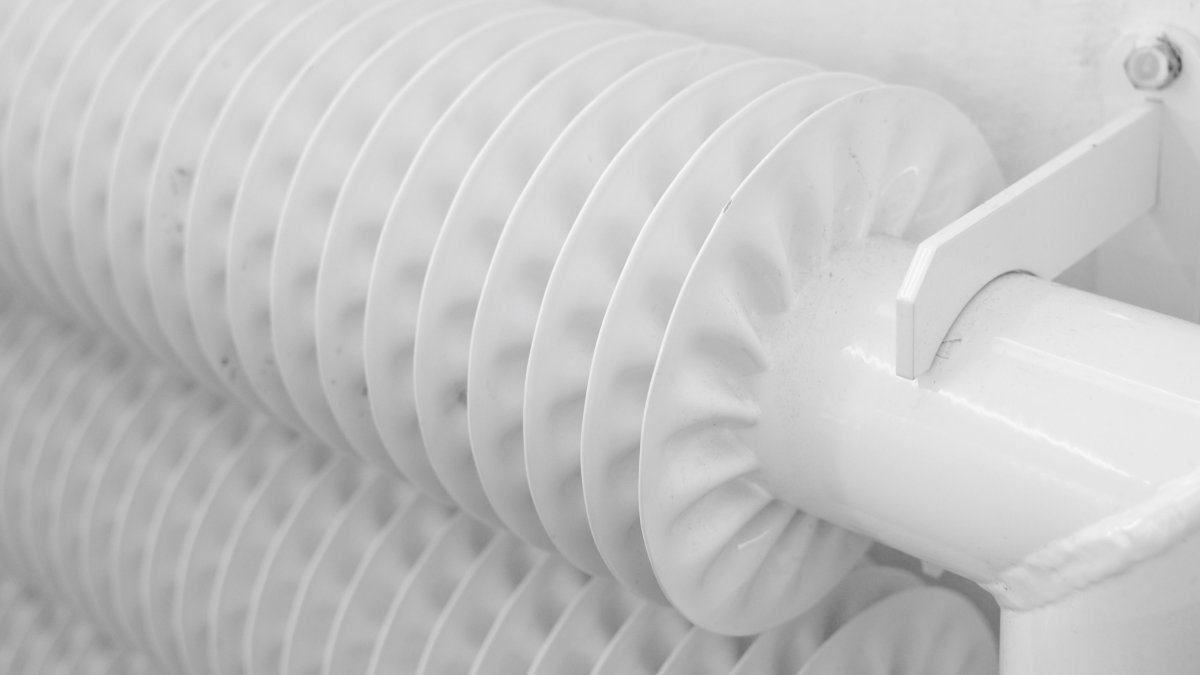
Pick a paint or spray labeled for radiators or high heat, rated above your system’s surface temperature, and made for metal. Read the technical data sheet, because the front of the can doesn’t always tell the full story.
Which Heat Rating Do You Need?
Match the label to your system. Steam radiators run hottest, with surfaces that can approach the 212-degree boiling point, so they need the biggest margin. Hot water units typically run cooler. Either way, choose a rating comfortably above the hottest temperature your radiator reaches, and check it against the technical data sheet.
Which Finish Holds Up Best?
Manufacturer guidance favors heat-resistant alkyd or spray for radiators: a durable, rust-inhibiting alkyd such as Super Spec HP D.T.M. for brush or sprayer work, or a heat-resistant aerosol such as INSL-X Decorative and Specialty Spray Paint. Whichever you choose, confirm the heat rating on the technical data sheet.
Satin and semi-gloss wipe clean easily, which helps when dust settles on warm metal. Some alkyd whites can drift toward yellow under sustained heat, so talk through color before you buy, especially when choosing a warm white that suits your room's light.
Spray, Brush, or Sprayer?
|
Option |
Best for |
Watch out for |
|
Heat-resistant spray |
Ornate cast iron, fast, even coverage |
Overspray, ventilation, masking |
|
Alkyd by brush |
Small units, touch-ups |
Brush marks, slow going in tight fins |
|
Paint sprayer |
Several radiators at once |
Setup time, heavier masking |
Skip rollers. They cannot reach fins and crevices, so save the brush for those spots.
How Do You Prep a Radiator for Paint?
Cool it, clean it, treat rust, prime bare metal, and mask every valve. Prep largely determines how long the finish lasts, so give it most of your time.
Cool It Down and Protect the Room
Turn the radiator off and let it cool fully, which can take a few hours. It must stay off until the paint cures, so late spring through early fall is usually the most practical window in Connecticut.
Leave the unit mounted, because removal is typically unnecessary and can be risky. Slide cardboard between the radiator and the wall, lay drop cloths, and open a window. If the wall behind it is wallpapered, decide whether you should paint over the wallpaper before you start.
Clean the Surface and Treat Rust
Wash with warm, soapy water and let the metal dry completely. Once lead is ruled out, remove loose rust and flaking paint with steel wool or 180 to 220 grit sandpaper, then wipe the dust away. If lead is possible, use an industrial HEPA vacuum, never an ordinary one for cleanup, and leave the sanding to a certified pro.
Prime Bare Metal and Rust Spots
Rust-inhibiting primer adds protection against corrosion on bare metal, and it gives the topcoat something to grip. Primer can be optional on a well-cleaned, well-sanded surface, but exposed or previously rusted metal is worth priming.
Mask Valves and Vents
Paint on a vent or valve can make it stick or clog. Tape off control, bleeder, and steam vent valves first, then remove the tape right after the second coat.
How Do You Paint a Radiator Step by Step?
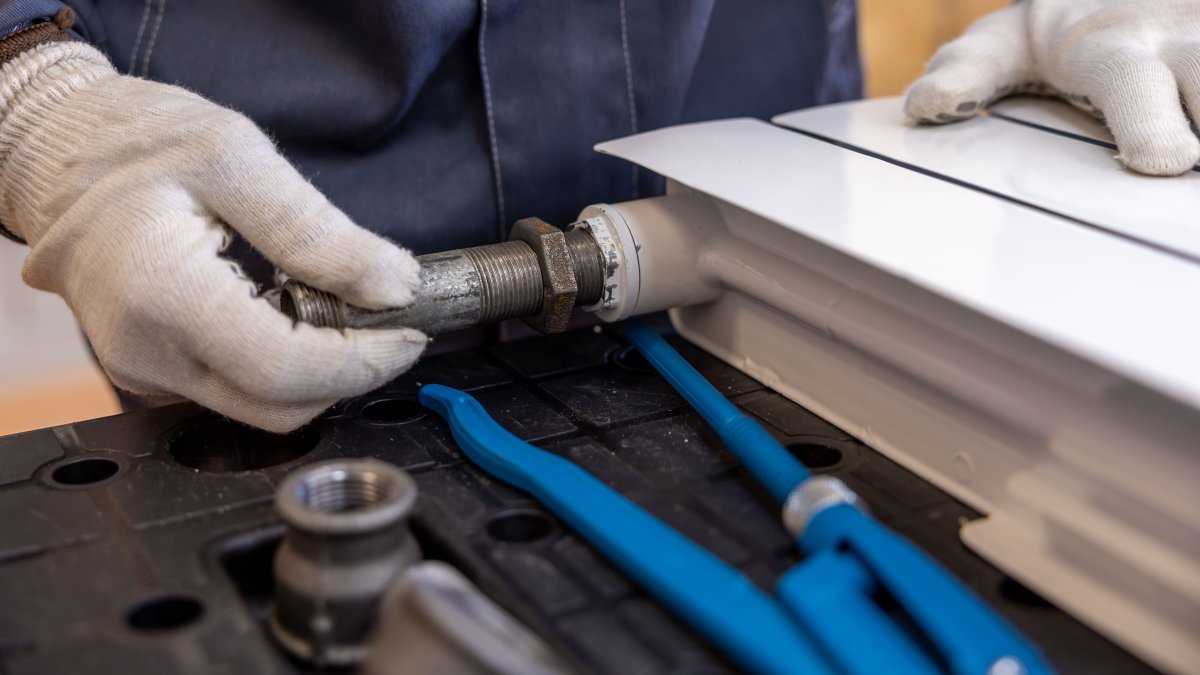
Apply thin, even coats with the radiator off, follow the recoat window on the label, and let the paint cure fully before the heat comes back on.
Apply Thin, Even Coats
Hold a spray can or sprayer 10 to 16 inches away and sweep back and forth. Use a brush for tight spots. Two light coats beat one heavy coat, which can run and sag.
Respect Recoat and Cure Times
Follow the recoat time printed on the can, then apply the second coat. Let the paint cure fully before turning the radiator back on, which may take a few days. The technical data sheet lists exact times. That wait also suits other trim projects, like painting interior doors for a smooth finish.
Plan for the First Heat-Up
Expect some odor the first time the radiator runs. It typically fades over time. Open the windows and run the radiator before you need real heat to limit your exposure.
What Mistakes Ruin a Radiator Paint Job?
Many radiator paint failures trace back to skipped prep or the wrong product rather than poor technique.
|
Mistake |
What happens |
Better move |
|
Using standard wall paint |
Cracks, yellows, peels |
Heat-rated radiator paint |
|
Painting before it cools |
Uneven drying, burn risk |
Cool fully, a few hours |
|
Dry sanding old paint |
May spread lead dust |
Test first, then wet methods or a certified pro |
|
Painting over valves |
Valves stick, vents clog |
Mask every valve and vent |
|
Heavy coats, rushed cure |
Runs, sags, soft finish |
Thin coats and a full cure |
Frequently Asked Questions
Does painting a radiator reduce its heat output?
Thin coats of heat-rated paint are generally not expected to noticeably change a radiator’s output, and many heat-resistant formulas are designed to go on thin. Thick buildup is the bigger concern, so keep coats light and ask your heating technician about your specific system.
Do baseboard heaters need heat-resistant paint too?
Usually not, because most baseboard heaters don’t get above 200 degrees Fahrenheit. Steam and hot water radiators still call for heat-rated paint, and the pre-1978 lead precautions apply to both. If the heater runs along painted baseboards, choosing a trim white that works with your walls helps the room look cohesive.
Can you paint aluminum or stainless steel radiators?
Usually there is no need. These metals naturally resist rust and fading, so they are rarely painted. If you want a color change, choose a heat-rated paint made for that metal and follow the label’s prep steps.
How do you clean a freshly painted radiator?
Wait until the paint has fully cured and the radiator is cool. Wipe it with a soft, damp cloth and mild soap, and skip abrasive pads that can dull or scratch the finish.
How do you touch up chips on a painted radiator?
Let the radiator cool, gently wipe the spot clean, and dab on a thin coat of the same paint and sheen with a small brush. In a pre-1978 home, do not dry sand or scrape the chipped area, since the paint underneath may contain lead. If the paint is peeling or you are unsure, call a Lead-Safe certified pro.
Ready to Repaint Radiators the Safe Way?
The right radiator paint, careful rust treatment, and a lead-safe approach help the finish last and your household stay protected. If your home predates 1978 and you would rather not gamble on old paint, bring in a team trained in lead-safe work.
Custom Colonial Painting brings more than 20 years of Connecticut painting experience, EPA Lead-Safe certification, and Benjamin Moore and Sherwin-Williams paints to interior projects in older homes.
Reach out for a free estimate and a straight answer on the right prep for your home.
Related Posts