
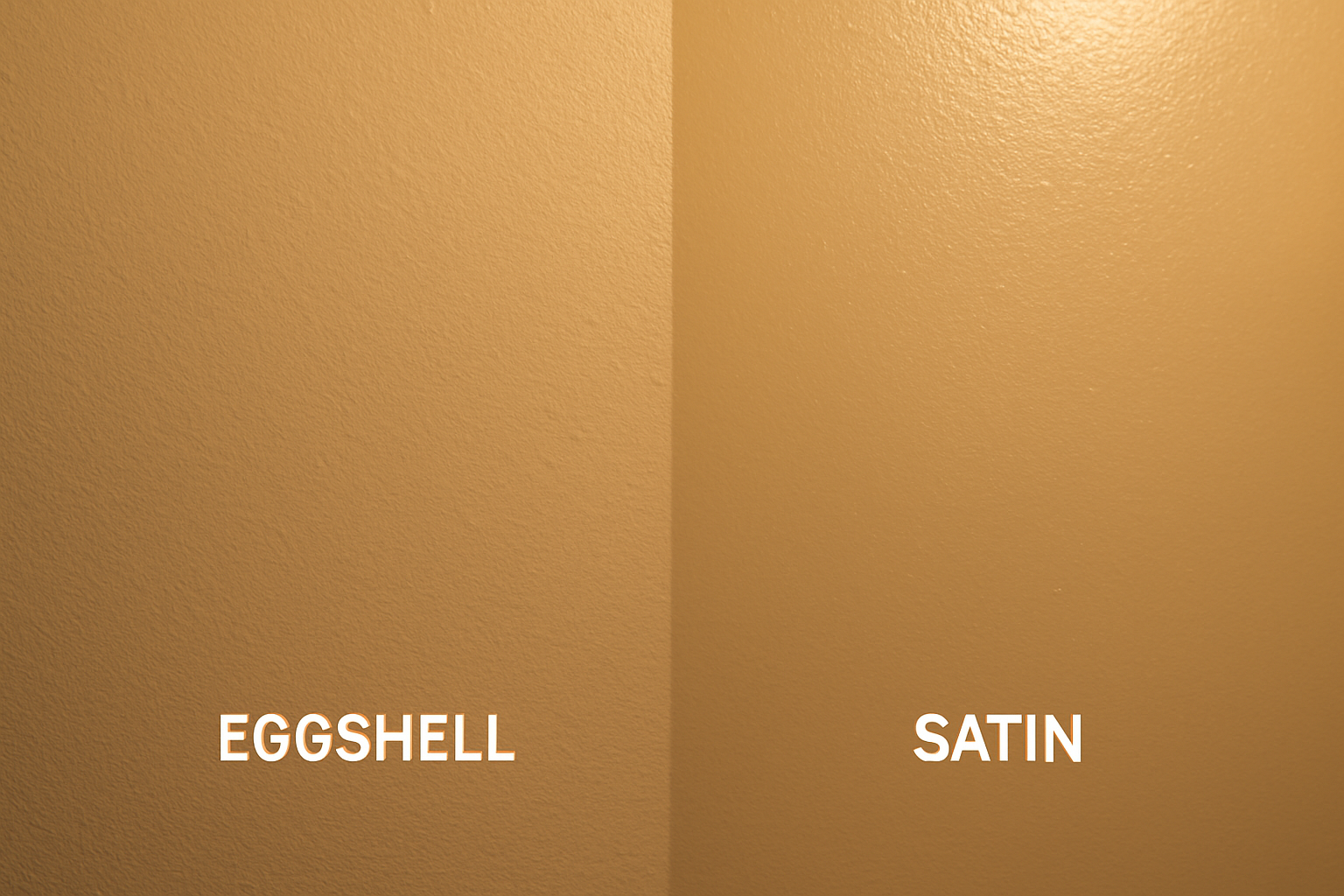
Choosing between eggshell and satin paint finishes comes down to sheen level and surface durability. Eggshell and satin are the two most popular interior paint finishes in the U.S. They dominate residential projects for good reason. According to the American Coatings Association, these two finishes together account for roughly 60 percent of interior wall paint sold in the country (2026). This data reveals why the eggshell vs satin paint finish debate matters so much to homeowners.
Table of Contents
- What the Sheen Numbers Actually Mean
- Where Each Eggshell vs Satin Paint Finish Performs Best
- Durability and Washability Trade-Offs
- Application Differences Painters Notice
- Cost Considerations
- Things to Know
Key Takeaways
- Eggshell reflects 10-25% of light at a 60-degree angle; satin reflects 25-35%, making satin noticeably shinier (Wade Paint Co., 2026).
- Satin is more washable and scuff-resistant, making it the stronger choice for high-traffic rooms.
- Eggshell hides surface imperfections better because it diffuses light rather than bouncing it back sharply.
- Neither finish is universally superior; the right pick depends on the room’s function, lighting, and wall condition.
- Paint quality matters as much as finish type. Professional-grade brands like Sherwin-Williams or Benjamin Moore deliver consistent results in either sheen.
- Consult a professional painter before committing to a finish for the entire home.
What the Sheen Numbers Actually Mean
Paint finish is measured by how much light a surface reflects. According to Wade Paint Co. (2026), eggshell reflects 10-25% of light at a 60-degree angle. Meanwhile, satin reflects 25-35%. That difference sounds small on paper, but it reads clearly on a painted wall. This is especially true in rooms with natural or direct artificial light.
Eggshell gets its name from the subtle, low-luster appearance of an actual eggshell. It has just enough sheen to be cleanable without highlighting every roller line or wall texture. Satin sits above eggshell on the sheen scale. It produces a soft, velvety glow that looks polished without crossing into semi-gloss territory.
Both finishes sit in the middle of the paint sheen spectrum. They rest between flat/matte at one end and semi-gloss or high-gloss at the other. That middle ground is precisely why, as Market Research Future (2026) reports, satin finishes currently dominate residential and commercial interior markets. Their versatility makes them attractive for diverse applications.
Where Each Eggshell vs Satin Paint Finish Performs Best
The right finish depends largely on room traffic, moisture exposure, and how forgiving walls need to be. Therefore, consider your space’s specific demands before selecting.
Eggshell works well in:
- Living rooms and dining rooms where walls see moderate traffic
- Adult bedrooms where a softer, quieter look is preferred
- Formal spaces where you want color depth without glare
- Rooms with older walls or minor surface imperfections, since the lower sheen diffuses light and reduces how noticeable those flaws are
Satin works well in:
- Kitchens and bathrooms, where moisture and grease demand a more washable surface
- Hallways, entryways, and staircases that take daily scuffs and touches
- Children’s bedrooms and playrooms where walls need frequent cleaning
- Trim and doors, where durability outweighs the need for a matte look
If you are working on a Connecticut home, understanding local conditions helps guide your choice. Moreover, reviewing best paint New Canaan CT weather conditions assists you in making a finish choice that holds up through seasonal humidity changes.
Durability and Washability Trade-Offs
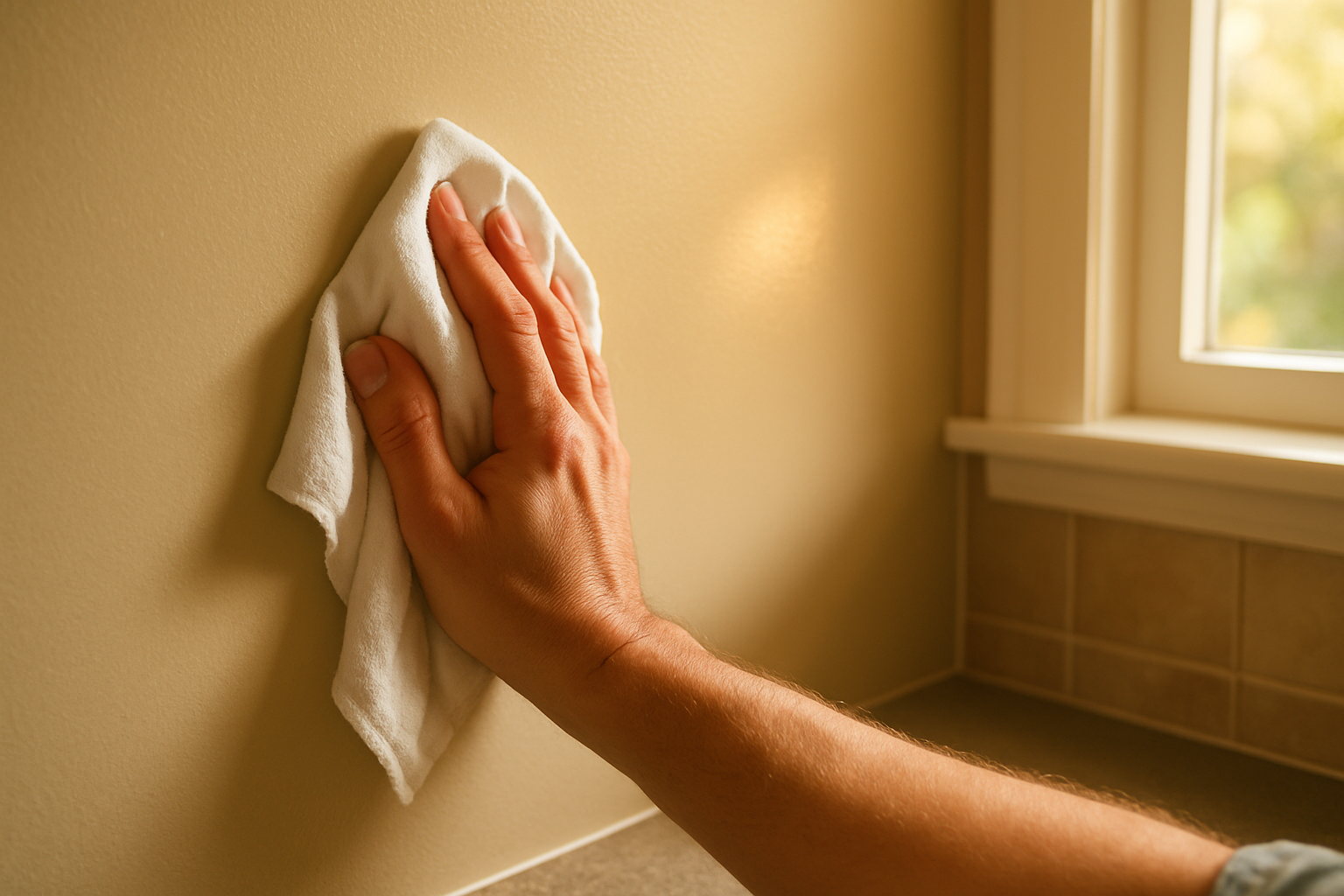
This is where the two finishes differ most in practical terms. Satin’s higher resin content creates a harder, denser film once cured. You can wipe satin-painted walls with a damp cloth and mild soap without worrying about dulling the surface. Eggshell is more washable than flat paint. However, it is more sensitive to aggressive scrubbing and can show wear at corners and edges over time.
Yet eggshell has one advantage satin does not: it is more forgiving during touch-ups. When you need to spot-paint a small area on an eggshell wall, the lower sheen makes blending easier. Satin’s reflectivity can cause touch-up patches to stand out. This is particularly true when using paint that has been stored for several months.
According to Bob Vila and Family Handyman, both respected home improvement publications, the washability gap becomes most apparent in homes with children or pets. For those households, satin proves the more practical long-term investment. Additionally, the durability difference grows over time.
Application Differences Painters Notice
Professional painters observe real differences in how these finishes behave during application. The final result matters, but execution is equally important.
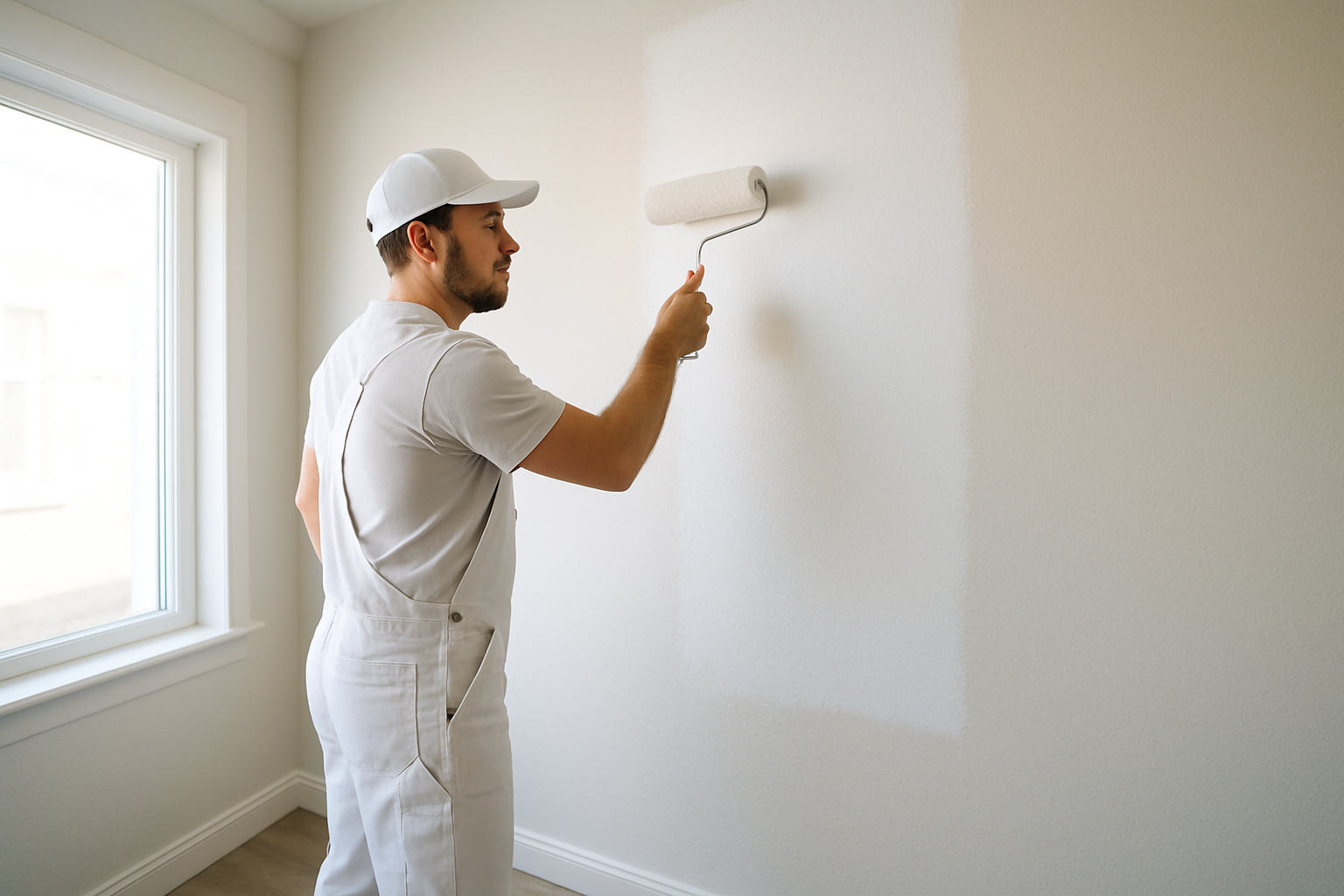
Satin paint levels out nicely with a roller. However, it is less forgiving of application inconsistencies. Lap marks, uneven roller pressure, and surface contamination all show up more clearly under satin’s reflective surface. Eggshell is more forgiving in this regard. For this reason, it remains a go-to for DIYers and for walls with texture or minor imperfections.
Surface preparation matters more with satin finishes. Any cracks, nail pops, or rough patches need proper filling and sanding before applying satin. The sheen will amplify them otherwise. With eggshell, thorough prep is still important. In contrast, small flaws are less likely to telegraph through the finish.
For homeowners considering professional help, knowing your options is crucial. Furthermore, reviewing how to choose a painter in New Canaan CT is a good first step before scheduling any interior work. Similarly, if you are located further south, assessing how to choose a painter in Greenwich CT helps you vet contractors and avoid costly mistakes.
Cost Considerations
In most cases, eggshell and satin paints from the same brand and product line cost about the same. The cost difference at the paint store is usually minimal. However, labor costs tell a different story. Satin requires more thorough surface prep and a more careful application technique. This can add time to the job.
When evaluating the full scope of an interior painting project, understanding the cost of painting in New Canaan CT gives you a realistic baseline for budgeting. Whether you choose eggshell or satin, having a clear cost picture helps you plan accordingly.
Things to Know
- Sheen amplifies everything. Satin reflects more light, which means it highlights wall texture, roller marks, and surface imperfections more than eggshell does.
- Touch-up blending is harder with satin. Stored paint changes slightly over time. The higher sheen makes blending a fresh patch into an older coat more noticeable.
- Humidity affects both finishes. In bathrooms or laundry rooms, even satin benefits from proper ventilation. This prevents moisture-related peeling over time.
- Not all eggshell and satin products are equal. Premium lines from Sherwin-Williams and Benjamin Moore offer better coverage, washability, and color retention than budget-tier options in the same finish category.
- Room lighting changes how the finish reads. A satin finish in a dimly lit hallway may look similar to eggshell. In a bright, south-facing room it will look noticeably shinier.
Start Your Interior Painting Project the Right Way
Choosing between eggshell and satin is one decision. Getting the application right is another. Custom Colonial Painting works exclusively with Sherwin-Williams and Benjamin Moore products. Our painters average 15 or more years of experience. The company is CT HIC licensed (#0630904), EPA Lead-Safe certified, and carries $2M in general liability coverage. Your home is protected from start to finish. Financing is available for larger projects.
Request a free estimate today and get professional guidance on the right finish for every room in your home.
Frequently Asked Questions
Q: Can I use eggshell in a bathroom?
Eggshell can work in a powder room with low moisture. However, it is not the best choice for full bathrooms.
In bathrooms with showers or tubs, ongoing humidity can compromise eggshell’s surface film over time. Satin or semi-gloss holds up better in consistently wet environments, according to Angi. If you are set on eggshell, ensure the space has strong ventilation.
Q: Is satin paint harder to apply than eggshell?
Satin requires more careful surface preparation and application consistency than eggshell.
Because satin reflects more light, imperfections in the wall or paint application show more clearly. Professional painters typically spend more time on prep work when using satin. This includes sanding and priming bare or repaired surfaces.
Q: Which finish is better for ceilings?
Neither eggshell nor satin is ideal for ceilings. Flat or matte paint is the standard choice for that surface.
Ceilings have more structural imperfections. They are lit from below in ways that make any sheen level unflattering. Flat paint hides those flaws best. Reserve eggshell and satin for walls.
Q: Will the eggshell vs satin paint finish choice affect how my paint color looks?
Yes. Satin’s higher reflectivity can make colors appear slightly lighter or more saturated compared to the same color in eggshell.
This effect is most noticeable with deep or saturated colors. If color accuracy matters, ask your paint supplier or professional painter to show you a large sample of both finishes before committing.
Q: How do I know which finish to use in a room with mixed-use purposes?
In multi-use rooms, default to the finish that suits the most demanding activity happening in that space.
For example, a home office that doubles as a playroom should use satin. The priority is a cleanable surface. A bedroom that occasionally serves as a sitting room can stay with eggshell. Heavy cleaning demands are low. When the choice is genuinely unclear, a professional painter can assess the specific room and give a grounded recommendation.