

Quick Facts
- Many professional painters offer warranties, but coverage varies by contractor.
- A good warranty clearly explains what is covered and what is excluded.
- Most warranties cover peeling, blistering, or chipping caused by poor workmanship.
- Issues like water damage, structural movement, and normal wear are usually excluded.
- Reviewing warranty terms helps homeowners choose a painter with greater confidence.
What’s In This Guide
When homeowners invest in painting their home, they usually focus on appearance, durability, and overall value. But one common question also comes up: what happens if the paint does not hold up as expected?
Professional house painters often do offer warranties, though coverage and terms can vary by contractor and project type. Understanding how these warranties work can help homeowners make more informed decisions before getting started.
Here’s a closer look at whether house painters offer warranties and what homeowners should know.
What Is a Painting Warranty?
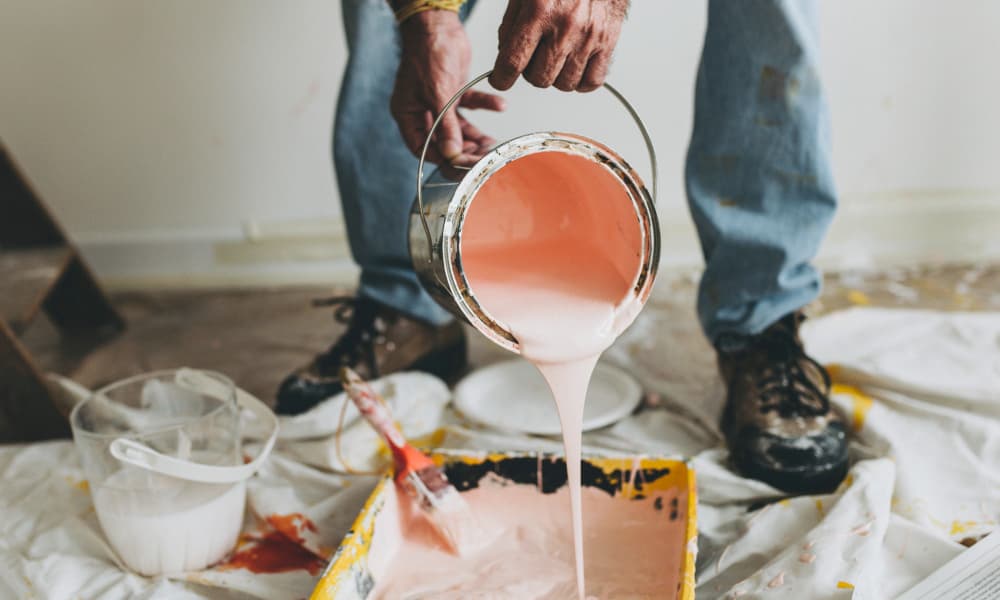
A painting warranty is a written promise from a painting contractor that explains the protection a homeowner has after the job is finished. In general, it covers certain problems related to the quality of the work and gives homeowners added peace of mind by showing that the painter stands behind the service provided.
Do Most House Painters Offer a Warranty?
Many professional house painters do offer workmanship warranties as part of their service. In general, warranties are more common among experienced contractors who want to show confidence in the quality of their work.
That said, coverage can vary from one company to another. Some painters offer limited protection, while others provide more detailed warranty terms based on their preparation process, materials, and overall standards.
What Most Reputable Warranties Should Cover
A professional painting warranty should be clear, specific, and easy to understand before any work begins. When a warranty is written well, it gives homeowners a better sense of what is protected and how issues will be handled if they come up later.
Coverage for Workmanship-Related Paint Failure
Most reputable warranties cover issues like peeling, blistering, or chipping when those problems are caused by faulty workmanship. This usually means the issue resulted from poor surface preparation or improper paint application.
A Clearly Defined Coverage Period
A good warranty should include a specific coverage period rather than a vague promise. In many cases, that timeframe falls between one and three years, depending on the contractor and the scope of the project.
Specific Surfaces Included
A reliable warranty should clearly state which surfaces are covered, such as siding, trim, doors, or interior walls. This helps homeowners understand exactly what parts of the project are protected.
A Defined Repair Process
Reputable warranties usually explain how repairs will be handled if a covered issue appears. Homeowners should be able to see how to report a problem and what steps the contractor will take next.
Clear Written Terms
A strong warranty should clearly outline what is covered, what is excluded, how long coverage lasts, and what the homeowner needs to do if an issue comes up. That level of detail reflects professionalism and accountability.
What’s Usually Not Covered in a Paint Warranty
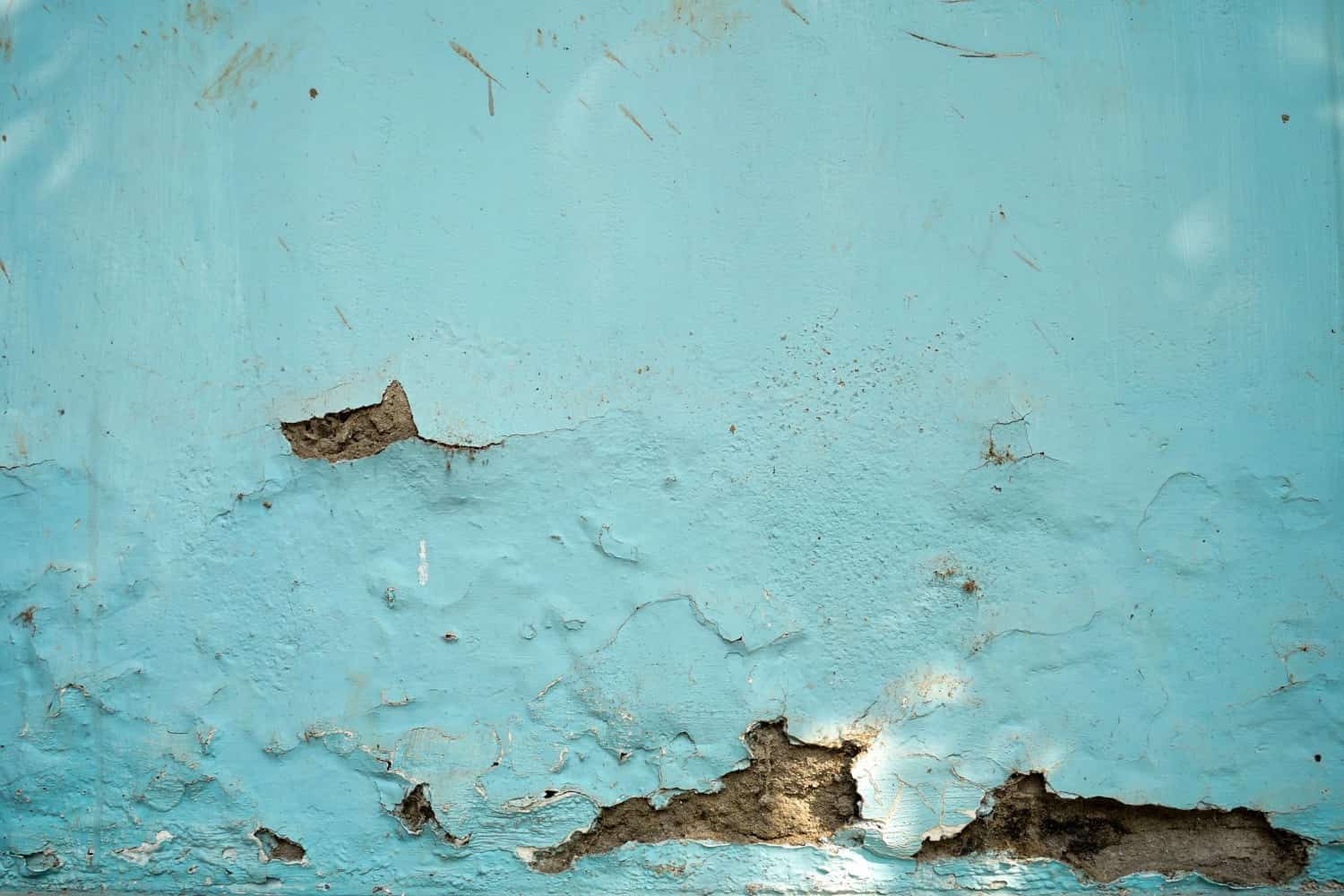
Even the best painting warranty has limits, and it is just as important to understand those limits before the project starts. In most cases, exclusions apply to problems caused by factors outside the painter’s control.
Water Damage
Paint warranties usually do not cover issues caused by roof leaks, plumbing problems, or poor sealing around the home. When moisture gets behind the paint, the cause is often related to the structure or maintenance of the property.
Structural Movement
Settling cracks, shifting foundations, and other types of structural movement are commonly excluded from coverage. These problems can affect painted surfaces, but they are not usually caused by the painter’s work.
Mold and Mildew Growth
Mold or mildew is often not covered under a paint warranty, especially in damp or poorly ventilated areas where moisture is the main issue. Since mold can grow on many materials, including wood, drywall, wallpaper, carpet, and even painted surfaces, it is usually treated as an environmental problem rather than a paint application issue.
Surface Damage from Daily Wear
Damage caused by furniture, pets, scratches, or normal wear and tear is generally excluded from paint warranties. These are considered part of everyday use rather than workmanship defects.
Accidents and Vandalism
Impact damage, graffiti, and other accidental or intentional damage are also not usually covered. Since these problems happen after the project is complete, they typically fall outside the contractor’s responsibility.
Lack of Maintenance
Some warranties can become void if painted surfaces are not maintained properly over time. Homeowners should review any care requirements closely, so they know how to keep the warranty valid.
Workmanship Warranty vs Manufacturer Paint Warranty
Painting projects can involve more than one type of warranty. In many cases, homeowners may encounter both a workmanship warranty from the painter and a paint warranty from the manufacturer, each covering different aspects of the project.
Paint Warranty
A paint warranty covers the paint or coating product itself and is provided by the manufacturer, not the painter. It usually applies to product performance under the right conditions, so homeowners should review the terms and any maintenance requirements carefully.
Workmanship Warranty
A workmanship warranty covers the labor performed by the painting contractor, including prep work, paint application, and related repairs. It generally applies to problems caused by the painter’s work, but not to issues caused by outside factors such as surface movement or improper cleaning.
Why Painting Warranties Matter for Homeowners
Painting warranties matter because they give homeowners more than a fresh-looking result. They provide reassurance that if certain problems show up after the project is finished, there is a clear path for addressing them.
- Helps protect your investment if workmanship issues appear after the job is completed.
- Shows the contractor is confident in the quality of their work.
- Clarifies what is covered, what is excluded, and how problems are handled.
- Provides peace of mind that certain defects will be addressed.
- Makes it easier to compare painting contractors before hiring.
How to Evaluate a Painting Warranty Before Hiring a Contractor
Before hiring a painting company, homeowners should review warranty terms carefully. A clear warranty agreement helps prevent misunderstandings later.
Request the Warranty in Writing
Ask for the warranty in writing before work begins so you know exactly what is covered and how long it lasts. Written terms are easier to rely on than verbal promises if issues come up later.
Check the Length of Coverage
Compare warranty periods between painters to see how coverage differs. A longer warranty can be a good sign, but it should still be weighed against the contractor’s experience and reputation.
Review Exclusions Carefully
Most warranties do not cover every type of damage, so it is important to read the exclusions closely. This helps homeowners understand the limits of coverage and avoid surprises later.
Understand the Repair Process
Ask how warranty claims are handled before the project starts. Homeowners should know what the process looks like, what is included, and what documentation may be required.
Research the Contractor’s Reputation
A warranty is only helpful if the contractor stands behind it. Check with local consumer protection offices or builder associations for any complaints about the contractor. You can also search the company name online with terms like “reviews” or “complaints.”
Homeowners can also learn more about Custom Colonial Painting before choosing a contractor for their project.
To better understand past customer experiences, read our customer reviews.
How Homeowners Can Protect Their Painting Warranty
Homeowners can take several simple steps to ensure their painting warranty remains valid.
Step 1: Maintain Painted Surfaces
Regular maintenance helps paint last longer. Cleaning dirt, mildew, and debris from painted surfaces prevents buildup that may damage the coating.
Step 2: Address Moisture Problems Quickly
Water intrusion can cause paint failure even when the application was done correctly. Repair roof leaks, siding damage, or gutter issues as soon as they appear.
Step 3: Use Gentle Cleaning Methods
Avoid aggressive cleaning techniques such as high-pressure washing. Gentle cleaning methods protect the paint film and prevent accidental damage.
Step 4: Schedule Periodic Inspections
Occasional inspections allow homeowners to spot early signs of wear before they develop into larger issues.
Some contractors recommend periodic inspections to help maintain paint performance.
Step 5: Keep Warranty Documentation
Store your painting contract and warranty paperwork in a safe location. If an issue arises, these documents help confirm coverage and speed up the repair process.
Common Misconceptions About Painting Warranties
Several misconceptions often cause confusion for homeowners considering painting services.
All Painters Offer the Same Warranty
Warranty terms vary significantly between contractors. Some provide limited coverage while others offer longer protection based on preparation standards and materials.
Longer Warranties Always Mean Better Work
A long warranty can be reassuring, but it should not be the only factor when choosing a contractor. Preparation methods, experience, and customer reviews are equally important.
Manufacturer Warranties Cover Everything
Manufacturer warranties typically cover only defects in the paint product. They rarely include labor costs required to fix paint failures.
Exterior Paint Should Last Forever
Exterior paint gradually wears down due to sun exposure, moisture, and temperature changes. Even high-quality paint systems require maintenance over time.
Frequently Asked Questions
Do all house painters provide a warranty?
No. While many professional painters offer workmanship warranties, not every contractor does. Homeowners should confirm warranty coverage before hiring a painter.
How long should a painting warranty last?
Interior painting warranties usually range from one to five years. Exterior painting warranties commonly range from two to ten years, depending on the contractor and the project conditions.
Is a painting warranty included in the contract?
Reputable painting contractors include warranty terms in the written project agreement. Homeowners should review these details before signing a contract.
Can a painting warranty become void?
Yes. Warranties can become void if damage occurs due to structural movement, moisture problems, severe weather, or failure to follow maintenance guidelines.
What should I do if my paint fails during the warranty period?
Contact the contractor promptly and provide documentation of the issue. Photos of the affected areas and a copy of the warranty agreement will help speed up the inspection and repair process.
Choose Painters Who Stand Behind Their Work

A painting warranty is more than paperwork. It shows that a contractor stands behind their preparation, materials, and workmanship, which gives homeowners added confidence in their investment.
Knowing what a warranty covers, how long it lasts, and what exclusions apply can make it easier to choose the right painter. For homeowners in Westport, Custom Colonial Painting is a trusted local company known for quality work and dependable service. If you are planning a painting project, Custom Colonial Painting can help you get results that look great and last.
Call us today to get started.