

White siding is a timeless favorite in home design, offering a clean, crisp foundation that complements almost any accent color. As design trends evolve in 2025, homeowners and designers alike are leaning into bolder contrasts and nature-inspired tones to boost curb appeal and reflect personal style. Whether the goal is to modernize a traditional exterior or add warmth to a minimalist façade, the right color pairing can completely transform a home’s look.
Here are ten of the best exterior house colors to elevate white siding this year.
The 10 Best Exterior House Colors That Complement White Siding in 2025
1. Charcoal Gray
Charcoal gray remains one of the most popular exterior house colors in 2025—and for good reason. It delivers a bold, modern contrast that enhances the clean lines of white siding without overwhelming the overall design. This deep neutral is versatile, elegant, and fits a wide range of architectural styles, from craftsman to contemporary.
Why Charcoal Gray Works Beautifully with White Siding
- Provides Sharp Contrast Without Harshness: Charcoal gray offers deep color saturation that highlights white siding while avoiding the starkness of black. This balance creates a striking visual appeal that’s modern but still welcoming.
- Enhances Roof and Shutter Design: Many homeowners already choose charcoal gray for roofing, so matching shutters, trim, or garage doors creates a cohesive, layered look. This approach strengthens curb appeal by using color repetition to tie architectural features together.
- Pairs Well with Natural Materials: Whether a home includes wood, stone, or metal accents, charcoal gray acts as a grounding tone that lets textures shine. This makes it a smart choice in exterior color combinations for blending man-made and organic elements.
2. Navy Blue
Navy blue continues to be a go-to in modern house color palettes, especially when paired with bright white siding. Its rich, saturated hue brings depth and timeless sophistication to any home’s exterior without feeling trendy or fleeting.
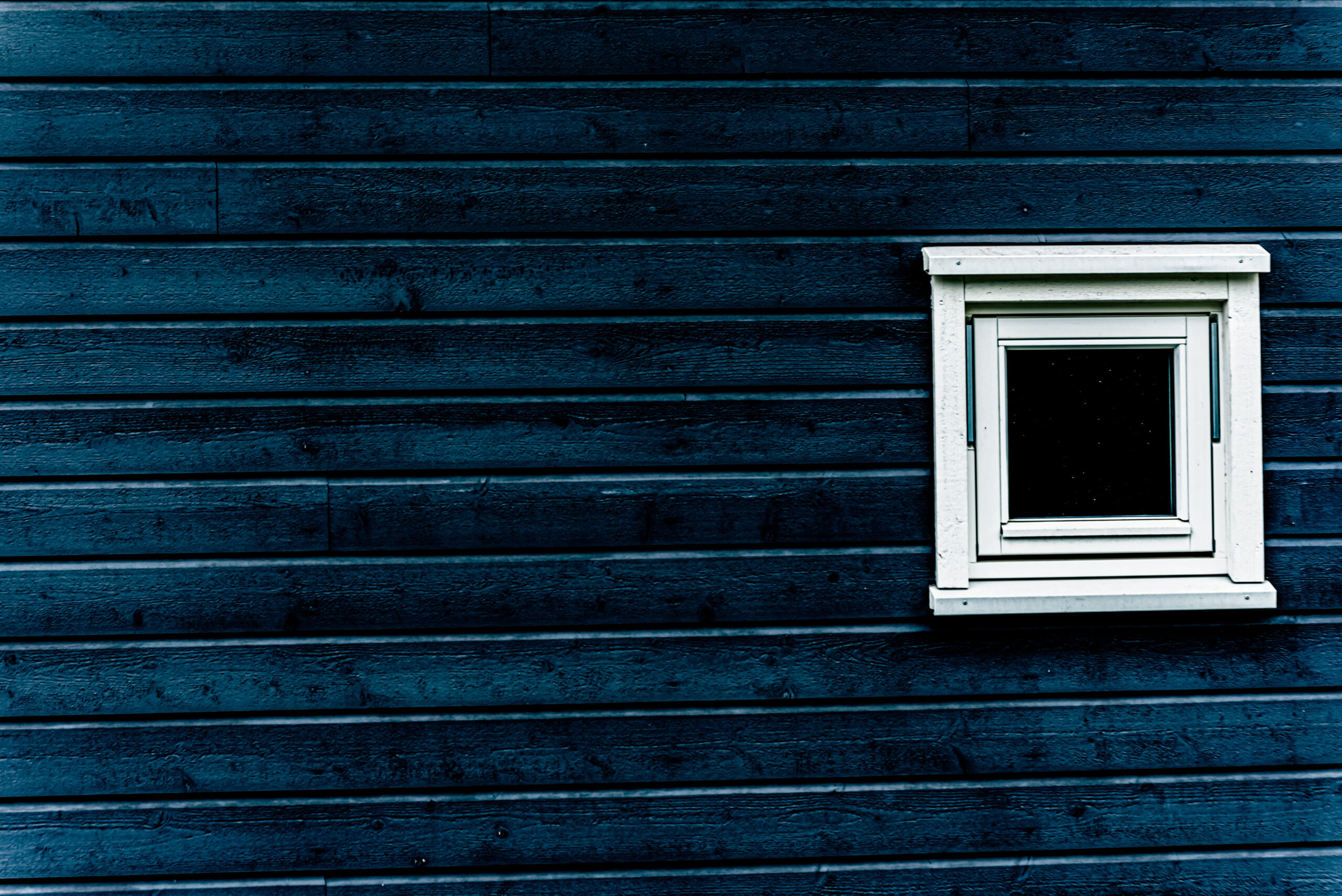
How Navy Blue Adds Character to White Siding
- Creates a Nautical and Classic Look: Navy blue evokes coastal charm, making it a favorite in trending home exteriors for beach houses and lakeside properties. When paired with white siding, it produces a clean, maritime-inspired contrast that feels both relaxed and elegant.
- Works Well with Metal and Glass Accents: This color shines when used alongside brushed nickel hardware, black window frames, or metal awnings. The combination of cool-toned finishes and navy creates an upscale, contemporary vibe that fits many modern builds.
- Pairs beautifully with Warm Wood Tones: Whether it’s a cedar porch ceiling or a natural wood front door, navy blue highlights the richness of organic textures. This trio—navy, white, and wood—is one of the most balanced exterior color combinations for inviting curb appeal.
3. Sage Green
Sage green is a subtle but growing favorite in popular exterior house colors for 2025. Its muted, nature-inspired tone creates a calming atmosphere that blends beautifully with white siding and softens hard architectural edges.
Why Sage Green Offers a Gentle Yet Stylish Accent
- Brings the Outdoors In: Inspired by plant life, sage creates a seamless transition between the home and its natural surroundings. It’s especially effective for homes surrounded by trees, gardens, or stone pathways.
- Balances Modern and Cottage Styles: Sage green complements white siding on both modern farmhouses and cottage-style homes, adding charm without sacrificing elegance. It’s often used for front doors, shutters, or even garage doors to introduce a quiet personality.
- Complements Neutral Roofing and Stonework: Sage sits comfortably alongside gray roofs, beige stonework, or light brick foundations. This flexibility makes it a smart option in modern house color palettes where cohesion matters.
4. Terra Cotta
Terra cotta brings warmth and Mediterranean flair to exteriors, making it one of the boldest and most unique choices among trending home exteriors. Its earthy orange-red tone contrasts white siding, offering an inviting, sun-washed look.
How Terra Cotta Elevates Design with Global Inspiration
- Adds Rustic Warmth and Character: Used as an accent on shutters or doors, terra cotta delivers a worn-in, lived-in look that makes homes feel approachable and full of personality. It’s especially eye-catching in dry, sunny climates where warmth in exterior tones thrives.
- Works Seamlessly with Clay Roof Tiles: Homes with Spanish or Tuscan influences often feature terra cotta roofing, and repeating the color in trim or accents ties the whole palette together. This makes it a natural fit for exterior color combinations rooted in global architecture.
- Stands Out in Neutral Landscapes: Against green lawns or beige stone, terra cotta pops without clashing. It brings life to white siding, especially when other colors feel too cool or muted for the surroundings.
5. Jet Black
Jet black makes a daring statement when paired with white siding, ideal for homeowners seeking a bold, high-contrast design. It’s one of the most modern house color palettes for 2025, used heavily in minimalist and industrial-style homes.
Why Jet Black Is the Ultimate Contrast Choice
- Sharpens Architectural Lines: Whether used on trim, doors, or window frames, black outlines the shape of the home and draws attention to key design features. It’s particularly effective on homes with strong symmetry or clean geometry.
- Fits a Wide Range of Styles: Though commonly associated with ultra-modern builds, black also enhances Victorian and colonial exteriors when paired with crisp white. Its versatility makes it a staple in both old and new popular exterior house colors.
- Highlights Natural and Industrial Materials: Jet black looks stunning with exposed concrete, steel accents, or wood paneling. It adds structure and mood, especially in climates with bright sunlight that softens its intensity.
6. Taupe
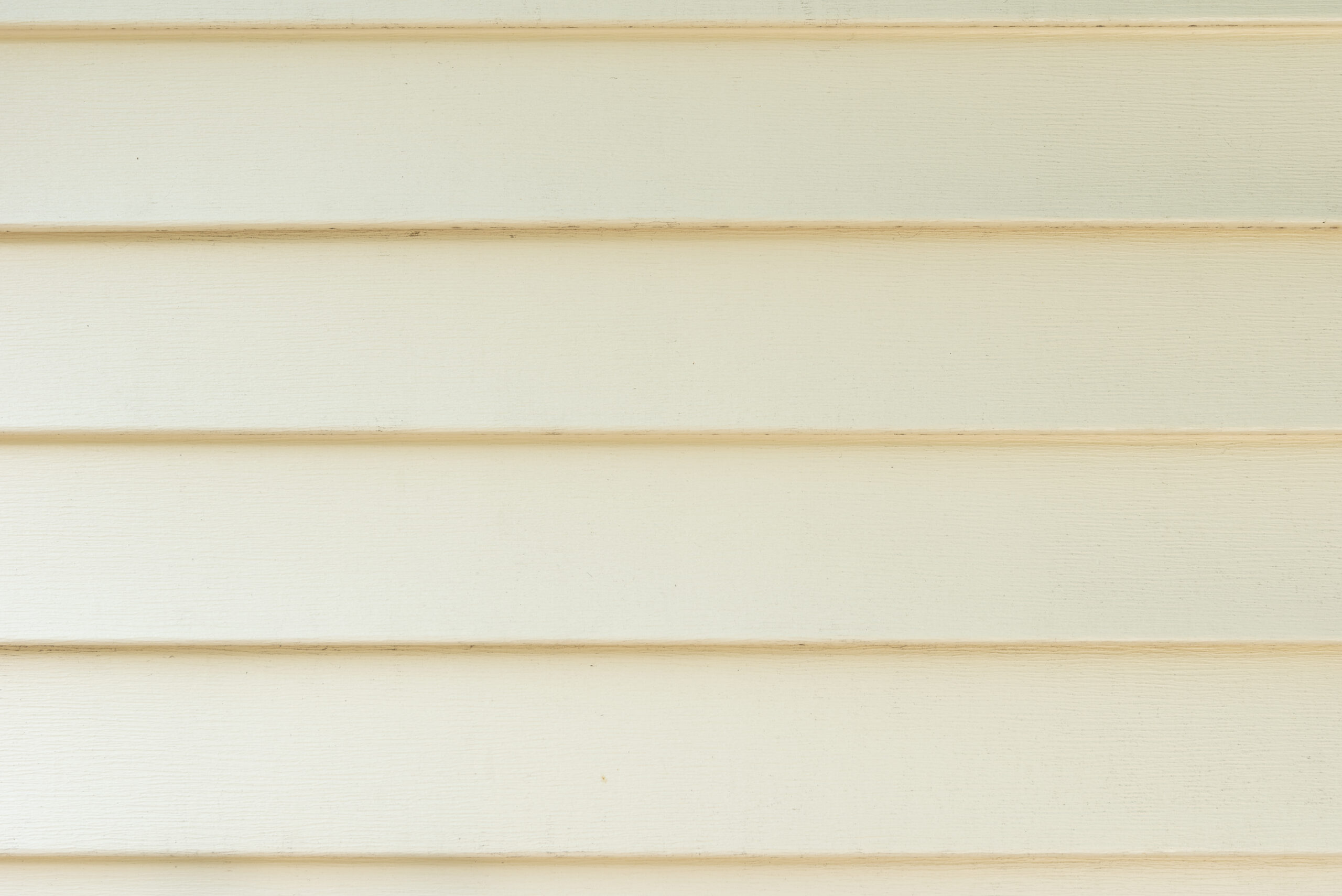
Taupe brings understated elegance to the white-siding palette, sitting comfortably between gray and beige. This flexible neutral is becoming increasingly popular in house exterior colors due to its ability to soften bright whites without overwhelming them.
How Taupe Adds Quiet Sophistication
- Tones Down Harsh Contrast: For those who find charcoal or black too intense, taupe offers a gentler balance. It adds warmth and depth while maintaining a clean, neutral look.
- Coordinates with Stone, Brick, or Stucco: Taupe works well with earthy materials, making it a top pick in exterior color combinations where mixed materials are present. Whether it’s stone foundation walls or brick chimneys, taupe complements rather than competes.
- Provides a Timeless Backdrop for Landscaping: It blends easily with greenery, mulch, and natural surroundings. This makes it an ideal trim or accent color for homes with established gardens or mature trees.
7. Burgundy
Burgundy adds richness and old-world charm to white siding, often used in historic or traditional homes that aim to preserve their timeless appeal. As deep reds rise in trending home exteriors, burgundy stands out for its depth and warmth.
Why Burgundy Brings a Heritage Feel
- Nods to Historic Architecture: Burgundy was a staple in 19th-century color palettes and still feels appropriate for colonial, Georgian, and Victorian homes. When paired with white siding and black shutters, it evokes a classic Americana feel.
- Warms Up Cooler Palettes: In regions with gray skies or cool-toned surroundings, burgundy injects just enough warmth to balance the overall look. It works particularly well for front doors, planters, or gables.
- Pairs Well with Bronze and Aged Brass Fixtures: These deeper metal tones complement burgundy’s richness, making hardware and lighting feel curated and cohesive. This creates refined exterior color combinations without feeling overdesigned.
8. Olive Green
Olive green bridges traditional and modern styles, making it one of the most versatile choices in today’s popular exterior house colors. Its earthy hue adds weight and personality to white siding while remaining grounded and approachable.
How Olive Green Adds Modern Earthiness
- Mimics Natural Surroundings: Olive green blends beautifully with trees, shrubs, and stone walkways, helping the house feel integrated with its environment. It’s ideal for homes in wooded or suburban settings.
- Stabilizes Light-Colored Homes: On a house with white siding and light roofing, olive provides much-needed depth for visual balance. Use it on shutters, entry doors, or even pergolas for a grounded contrast.
- Blends with Black, Bronze, or Natural Wood Accents: This makes olive an adaptable player in modern house color palettes that favor mixed materials. It offers design flexibility without losing character.
9. Slate Blue
Slate blue is a softer take on navy and has surged in popularity among those seeking peaceful, sophisticated house exterior colors. With a slight gray undertone, it pairs effortlessly with bright white siding and creates a soothing curb presence.
Why Slate Blue Brings Subtle Style
- Softens the Visual Impact of Color: Slate blue delivers calm energy that feels refined, making it perfect for residential neighborhoods. Unlike navy, it doesn’t overpower the siding but still brings noticeable color.
- Works with Both Cool and Warm Palettes: Slate’s versatility allows it to sit alongside cool gray roofs or warm stone walkways with equal success. It’s a connector color in many thoughtful exterior color combinations.
- Elevates Coastal and Cottage Designs: Whether it’s a lakefront cottage or a Cape Cod-style home, slate blue adds a breezy, inviting touch. Paired with white siding and copper lighting, the effect feels effortlessly upscale.
10. Bronze
Bronze is an emerging favorite in trending home exteriors, especially in modern builds that lean into contrast and texture. It offers a metallic twist on traditional earth tones and provides an unexpected upgrade to typical trim colors.
How Bronze Offers Warmth and Edge
- Adds Subtle Metallic Interest: Bronze has reflective qualities that shift with the light, giving it a dynamic, high-end look. It’s ideal for accent elements like lighting fixtures, gutters, or front doors.
- Blends Seamlessly with Modern Materials: It pairs well with matte black, natural wood, and stone—hallmarks of modern house color palettes. Bronze contributes a luxurious tone without appearing flashy.
- Offers Longevity Across Styles: Unlike brighter metallics that can date quickly, bronze ages well and suits both industrial and rustic exteriors. When used with white siding, it brings warmth and quiet elegance.
How to Choose the Right Accent Color Based on Roof Material
The roof plays a major role in determining which accent colors will complement the overall exterior, making thoughtful coordination essential for a balanced, lasting look. As the painting services market is projected to reach USD 93 billion by 2031, more homeowners are investing in professionally designed color palettes, where aligning accent tones with roof texture and tone adds both style and value.
1. Asphalt Shingles: Embrace Flexibility with Cool or Warm Accents
Asphalt shingles are among the most versatile, coming in gray, brown, black, and even muted greens or reds. Homes with dark gray or black shingles pair well with bold accents like burgundy, navy blue, or charcoal, popular exterior house colors that add sophistication. For brown-toned roofs, olive green or warm taupe accents help tie together trending home exteriors while keeping the palette grounded.
2. Metal Roofing: Highlight Modern Lines with Clean Contrasts
Metal roofs often have a slick, contemporary edge in shades like black, bronze, or galvanized silver. These finishes pair beautifully with sharp accent colors such as jet black, slate blue, or terra cotta, which enhance the industrial feel. Coordinating accent elements like trim or door color with the metal roof adds cohesion to modern house color palettes and ensures the home doesn’t feel disjointed.
3. Clay or Terra Cotta Tile: Soften with Earthy or Neutral Accents
Clay tile roofs have a strong visual presence and often feature rich red or orange hues. To avoid color overload, neutral accents like creamy taupe, sage green, or even navy can balance the intensity while keeping the style cohesive. These combinations are popular in Mediterranean-inspired exterior color combinations and are best refined with input from a professional designer who understands undertone matching.
4. Wood Shake: Warm Up the Palette with Natural Pairings
Wood shake roofing tends to age into soft grays or warm browns, offering an organic, textured look. Accent colors like olive green, slate blue, or even bronze bring out the richness of the wood without clashing with its natural patina. Since wood weathers differently over time, consulting a professional can help homeowners select colors that stay complementary even as the roof fades.
5. Composite or Architectural Shingles: Match with High-Impact Accent Colors
Composite shingles often mimic the appearance of slate, tile, or wood and come in a wide range of colors. Because they can be more visually complex, it’s important to choose an accent color that won’t compete—for example, a crisp charcoal with a slate-inspired roof, or burgundy against deep brown tones. A color consultation ensures the chosen accent enhances the home’s exterior colors without overwhelming them.
Maintaining Painted Exterior Surfaces for Lasting Curb Appeal
Even the best exterior color combinations lose impact if paint fades, peels, or weathers unevenly—issues often made worse by DIY mistakes, with 4 out of 5 homeowners getting it wrong. Routine maintenance, from annual cleaning to professional touch-ups, keeps surfaces looking fresh, protects against sun and seasonal wear, and ensures that those crisp contrasts and clean lines stay sharp.
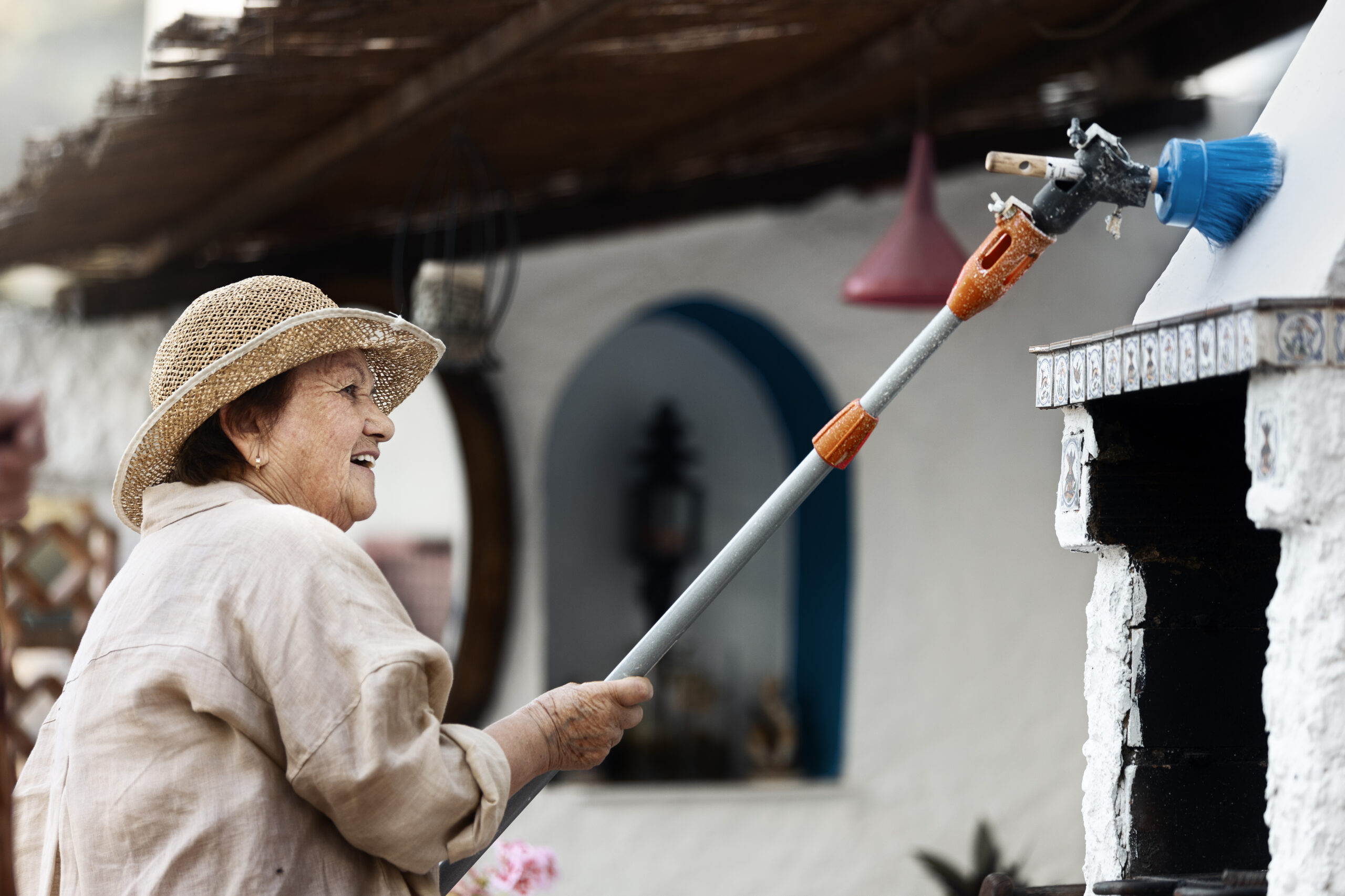
1. Wash Siding and Trim at Least Once a Year
Dirt, pollen, and mildew can build up on siding and trim, dulling even the most vibrant popular exterior house colors. A gentle pressure wash or scrub with mild soap helps restore brightness without damaging the surface. Professional cleaning ensures proper technique and avoids issues like chipped paint or water damage.
2. Inspect for Peeling, Cracking, and Fading Each Season
Paint naturally breaks down over time due to UV exposure, humidity, and freeze-thaw cycles. Check key areas like door frames, windows, and eaves for signs of wear, especially if the home features bold accents like charcoal, sage, or navy. A professional inspection can identify minor issues early, preventing full repaints and preserving the home’s modern color palette.
3. Repaint Trim and High-Traffic Areas Every 5–7 Years
Trim, doors, shutters, and porch rails often wear faster than siding due to frequent handling and sun exposure. Repainting these accents on schedule keeps exterior color combinations looking intentional rather than patchy or tired. Hiring a licensed painter ensures clean lines, proper prep, and consistent color matching.
4. Use High-Quality Exterior Paints with UV Resistance
Not all paints are created equal—low-grade options fade quickly and struggle to hold color in sun-exposed areas. Investing in high-quality exterior paint with UV blockers helps retain the depth of trending home exteriors like slate blue, terra cotta, or jet black. Professionals typically have access to premium products and know which brands perform best in specific climates.
5. Touch Up Damaged Areas Promptly
Small chips and scrapes may seem minor, but can allow moisture to seep in and damage underlying materials. Keeping a small supply of leftover paint makes it easier to maintain a consistent color between touch-ups. When unsure about technique or matching, professionals can blend repairs seamlessly into the existing house exterior colors.