
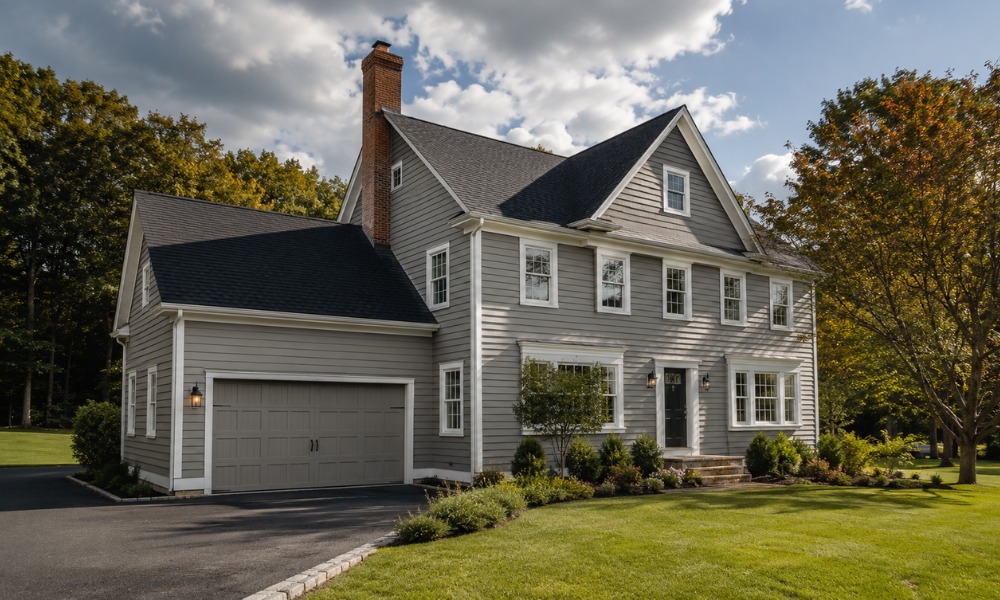
Learn which exterior paint types and finishes work best for Newtown, CT, weather, including freeze-thaw cycles, humidity, shade, and older homes.
Newtown sits inland and uphill from the Fairfield County shoreline, and that changes what your exterior paint has to survive. Winters run colder and snowier here than along the coast, summers stay warm and humid, and heavily wooded lots keep siding shaded and damp for long stretches.
The best paint for Newtown, CT, weather resists moisture, flexes through repeated freeze-thaw cycles, and fights mildew on shaded surfaces.
From antique colonials near the Main Street flagpole to newer homes in Sandy Hook, Hawleyville, and Dodgingtown, the product and finish you choose can make the difference between a paint job that fails early and one that lasts for years.
What’s in This Guide
- Why Is Newtown Weather So Hard on Exterior Paint?
- What Type of Paint Works Best for Newtown Homes?
- Which Paint Finishes Hold Up Best in Newtown, CT?
- When Should You Paint a Home Exterior in Newtown?
- How Do You Choose Exterior Paint for a Newtown Home? Step-by-Step
- What Are the Most Common Paint Mistakes Newtown Homeowners Make?
- Frequently Asked Questions
- Protect Your Newtown Home With Professional House Painting
Quick Facts
- Newtown homes need paint built for freeze-thaw cycles, humidity, and heavy shade.
- 100% acrylic latex is the most reliable exterior paint type for Newtown’s inland climate.
- Satin works best on siding. Semi-gloss protects trim, doors, and shutters.
- Late spring through early fall is the safest exterior painting window in Newtown.
- Homes built before 1978 may contain lead paint and require certified, lead-safe prep.
Why Is Newtown Weather So Hard on Exterior Paint?
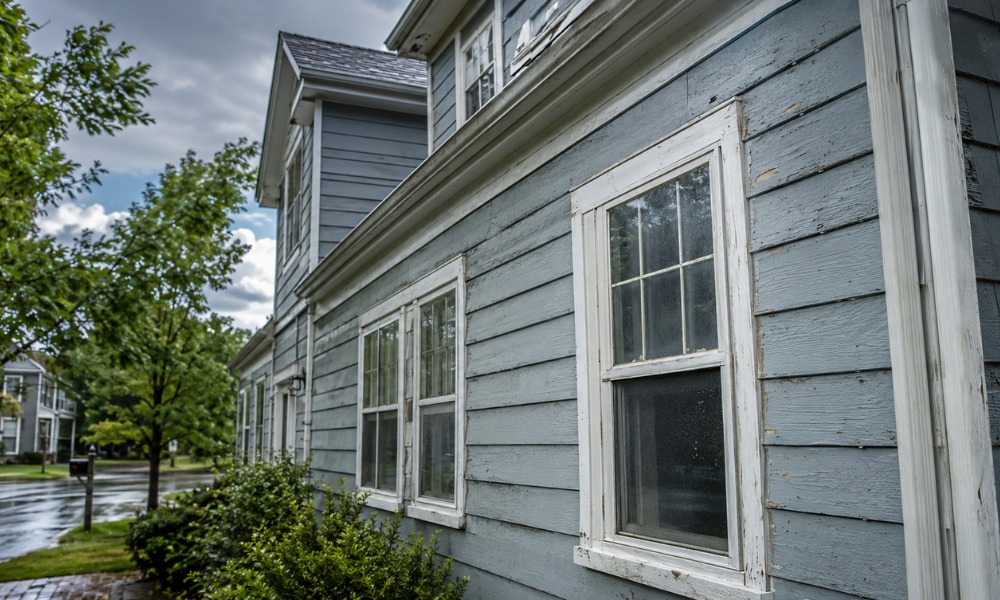
Newtown's climate stresses exterior paint from every direction. Temperatures in town typically swing from around 20°F in winter to 82°F in summer, and moisture arrives in every season. Four specific conditions do most of the damage.
Freeze-Thaw Cycles Crack Paint Films
Newtown winters run colder and snowier than in coastal Fairfield County towns. Each freeze and thaw forces siding, trim, and masonry to contract and expand, and rigid or aging paint can crack under that repeated movement. Once small cracks open, moisture works behind the film and lifts it from the surface.
Summer Humidity Traps Moisture in Siding
Warm, humid summers keep exterior surfaces damp longer than paint prefers. Moisture held in the siding can lead to blistering, peeling, and mildew, especially when paint is applied over a surface that never fully dried.
Consistent Precipitation Gives Surfaces No Break
Newtown receives significant annual precipitation spread across the year, with no extended dry season. Exterior coatings here face rain, snow, and dampness every month, which makes moisture resistance a baseline requirement rather than a bonus feature.
Tree Cover Keeps Shaded Walls Damp
Many Newtown properties sit on large, wooded lots where shaded siding dries slowly after rain and snow. That lingering dampness encourages mildew and shortens paint life, and it often calls for mildew-resistant coatings and more thorough washing during prep.
What Type of Paint Works Best for Newtown Homes?
For most Newtown exteriors, 100% acrylic latex paint is the best choice. It stays flexible through freeze-thaw movement, resists moisture, and holds color through humid summers. Elastomeric and oil-based products still have narrow, specific uses.
100% Acrylic Latex: Best Overall
Acrylic latex expands and contracts with the surface instead of cracking against it, which matters in a town with 60-degree seasonal temperature swings. Premium acrylic lines from Sherwin-Williams and Benjamin Moore also build in mildew resistance, a meaningful advantage on shaded Newtown lots.
It is the right pick for:
- Clapboard and wood siding
- Fiber cement
- Properly prepared vinyl-safe applications
- Exterior trim, garages, and outbuildings
Elastomeric Coatings: For Masonry and Problem Surfaces
Elastomeric coatings are thicker and more flexible than standard paint, which helps them bridge hairline cracks on masonry and stucco-like surfaces. They can make sense for foundation walls above grade, older textured surfaces, and areas where minor cracking keeps returning. They are not the default answer for a full Newtown exterior.
Oil-Based Products: Selective Use Only
Oil-based coatings harden over time and lose the flexibility that Newton's freeze-thaw cycles demand. They may still suit certain doors, metal railings, or specialty trim details, but modern premium acrylics outperform them on full exterior walls.
Which Paint Finishes Hold Up Best in Newtown, CT?
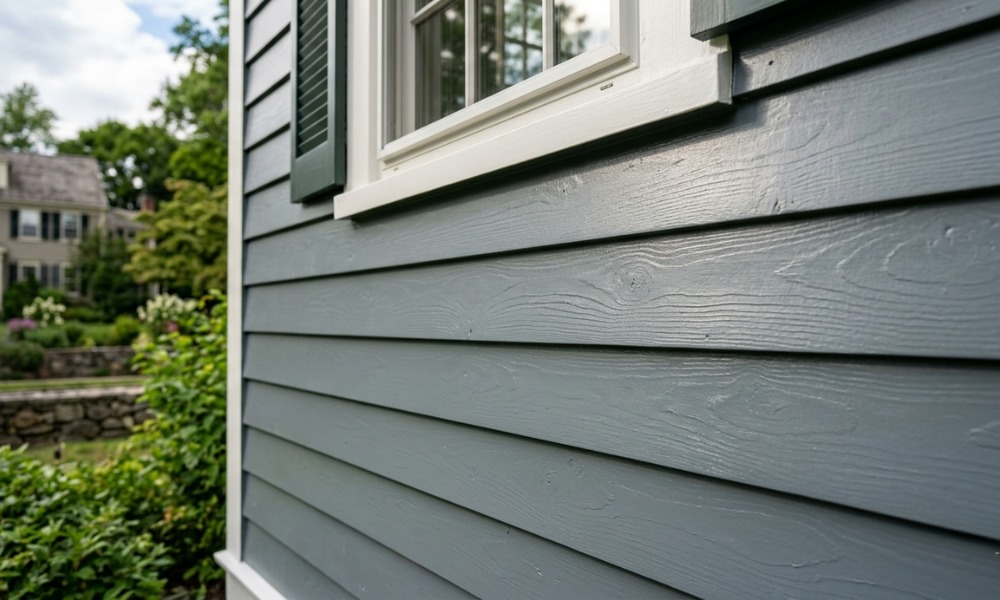
Satin is the best all-around finish for Newtown siding, and semi-gloss is the best choice for trim, doors, and shutters. Sheen affects how well a surface sheds water, resists mildew, and handles cleaning, so the finish decision matters as much as the paint type.
Satin: Best for Siding
- Sheds rain and snowmelt better than flat finishes
- Resists mildew on shaded and north-facing walls
- Hides minor surface flaws better than glossier options
- Performs well on wood, fiber cement, and other common siding materials
Semi-Gloss: Best for Trim, Doors, and Shutters
- More durable and moisture-resistant than satin
- Easier to wipe down and maintain
- Stands up to snow contact, ice, and wind-driven rain
- Sharpens the architectural detail on colonial trim and shutters
Flat or Matte: Limited Use
- Hides imperfections on older or historic surfaces
- Absorbs more moisture and is harder to clean
- Better reserved for low-exposure areas than full Newtown exteriors
▶ READ MORE: What Sheen Is Best for Your Exterior Painting Project?
When Should You Paint a Home Exterior in Newtown?
The best window for exterior painting in Newtown runs from late spring through early fall. Because Newtown sits at a higher elevation than shoreline towns, safe conditions arrive later in spring and end earlier in fall than many homeowners expect. These are the timing points that matter most.
During Stretches When Temperatures Hold Above 50°F
Paint cures best when surface temperatures stay above 50°F around the clock, not just during the afternoon. A stretch of mild days and mild nights gives the coating the conditions it needs to bond properly.
When Surfaces Are Fully Dry After Rain
Siding and trim can hold moisture for days after a rainy stretch, even when the weather looks clear. Waiting until surfaces have dried out completely helps the paint adhere and reduces the risk of early failure.
When Humidity and Dew Point Are in a Safe Range
The surface should stay comfortably above the dew point while the paint dries. Damp, foggy, or humid evenings can interfere with curing, so drier conditions make for a safer application window.
Before Cold Nights Return in Early Fall
A warm afternoon in late October can be misleading when overnight temperatures drop sharply. Scheduling the project before cold nights set in protects the finish and avoids curing problems that show up months later.
How Do You Choose Exterior Paint for a Newtown Home? Step-by-Step
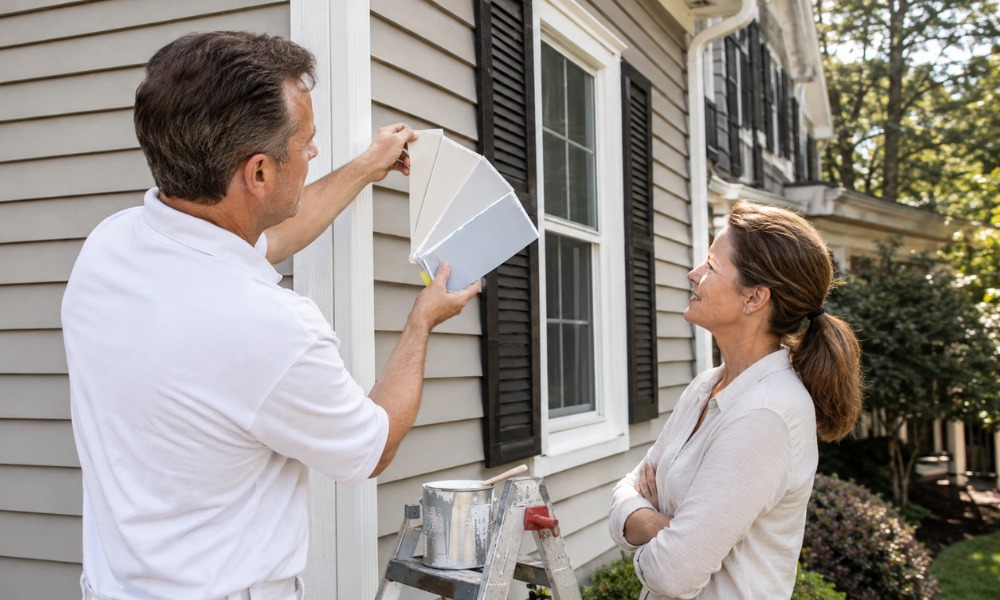
Choosing the right paint comes down to matching the product to your surface, your home’s age, and Newtown’s climate. Work through these five steps before buying a gallon.
Step 1: Identify Your Siding Material
Wood clapboard, fiber cement, vinyl, and masonry each call for different products and primers. Confirm what you have before comparing paint lines.
Step 2: Check Whether Your Home Was Built Before 1978
Many homes in Newtown’s historic borough and older neighborhoods predate 1978 and may contain lead paint under newer layers. The EPA’s Renovation, Repair, and Painting Rule requires certified lead-safe work practices for contractor prep on these homes. Test before any sanding or scraping begins.
Step 3: Assess Sun and Shade Exposure
Walk the property and note which walls stay shaded or damp. Heavily shaded sides benefit from mildew-resistant premium acrylics and more aggressive washing during prep.
Step 4: Match Paint Type and Finish to Each Surface
Use 100% acrylic latex in satin for siding and semi-gloss for trim, doors, and shutters. Reserve elastomeric coatings for masonry and oil-based products for select details only.
Step 5: Schedule Within the Safe Weather Window
Book the project for late spring through early fall, and build in flexibility for rain delays. Rushing a late-season job into cold nights is a common cause of early failure.
What Are the Most Common Paint Mistakes Newtown Homeowners Make?
The most common exterior painting mistakes in Newtown involve product shortcuts, skipped prep, and poor timing. Each one can shorten the life of a paint job, and most of them are avoidable with a little planning. Watch out for these five.
Using Bargain Paint on Weather-Exposed Walls
Low-cost paint often lacks the flexibility and moisture resistance Newtown’s climate demands. The upfront savings tend to disappear when the finish wears down early, and the surface needs repainting sooner than expected.
Choosing a Flat Sheen for Siding
Flat finishes absorb more moisture and are harder to keep clean, which makes them a poor match for siding that faces rain, snow, and shade year-round. A satin finish generally holds up better on exposed exterior walls.
Painting Over Mildew or Chalky Surfaces
New paint will not fix a dirty or mildewed surface underneath. Coating over those problems traps them against the siding, and the finish often starts failing within a season or two.
Skipping Primer on Bare or Repaired Wood
Bare wood and patched areas need primer for the topcoat to bond properly. Leaving them unprimed leads to uneven coverage, poor adhesion, and early peeling in the spots that need protection most.
Scheduling the Project Too Late in the Season
Cool fall nights can stop paint from curing correctly, even when afternoons still feel warm. Pushing an exterior project into late October or beyond is one of the most common causes of premature paint failure in Newtown.
Frequently Asked Questions
How often should a Newtown, CT, home be repainted?
A properly prepped exterior paint job in Newtown typically lasts 7 to 10 years on well-maintained surfaces. Homes on heavily shaded lots or with older wood siding may need attention sooner because of moisture retention and mildew exposure.
Can you paint outside in Newtown in early spring or late fall?
Usually not safely. Newtown’s inland elevation means overnight temperatures drop below safe curing thresholds earlier in fall and later in spring than in coastal towns. Wait until surface temperatures reliably stay above 50°F around the clock.
Do darker paint colors hold up in Newtown weather?
Darker colors absorb more heat, which can accelerate expansion stress and visible fading on sun-exposed walls. Lighter and mid-tone colors generally show wear more slowly, though premium acrylics with UV-resistant pigments narrow the gap.
What primer should be used before exterior painting in Newtown?
Use a high-adhesion exterior primer matched to the surface material, and spot prime all bare wood and repaired areas. On shaded or previously mildewed siding, a stain-blocking, mildew-resistant primer improves topcoat performance.
Does tree shade really shorten exterior paint life?
Yes. Shaded siding dries slowly after rain and snow, which keeps moisture against the paint film and encourages mildew. Regular washing and mildew-resistant coatings help offset the effect on wooded Newtown lots.
Protect Your Newtown Home With Professional House Painting
The right paint system does more than improve curb appeal. It helps protect your home’s exterior from moisture, sun exposure, and seasonal weather while extending the life of its surfaces.
Custom Colonial Painting has been serving Connecticut homeowners for more than 20 years, providing interior and exterior painting solutions tailored to each property’s condition, age, and exposure. From product selection through the final coat, our team focuses on long-lasting results and careful workmanship.
Request a free estimate for your Newtown home to receive paint and finish recommendations based on your exterior surfaces, exposure, and painting needs.