
What’s in This Guide
- Is Painting in Cold Weather Safe for Interior Walls?
- Why Does Winter Work Well for Interior Painting?
- How Do You Manage Ventilation and Humidity in Winter?
- When Should You Schedule Winter Painting?
- Which Materials and Costs Matter Most?
- Frequently Asked Questions
- Ready to Plan Your Winter Paint Project?
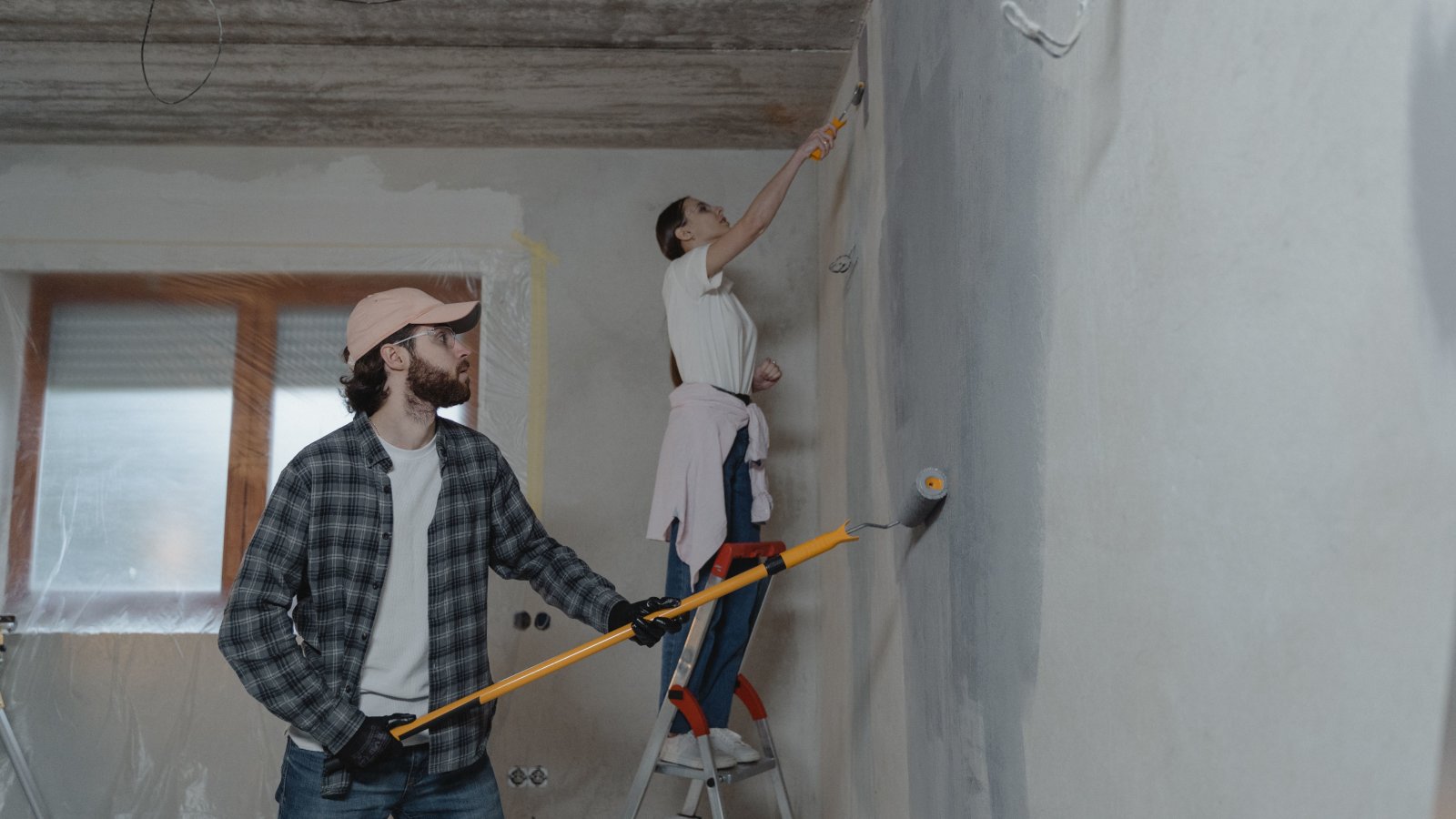
Yes, you can paint your home's interior in winter. Painting in cold weather is far less of a concern indoors than outdoors, because the temperature inside your rooms matters more than the forecast outside.
What does change is how paint dries, how much fresh air you can bring in, and how walls behave near cold exterior surfaces. Connecticut homeowners should check heat, humidity, ventilation, and scheduling before the first coat goes on.
Quick Facts
- Winter interior painting works when the air, walls, and paint stay above the label’s minimum temperature.
- Cold exterior walls and unheated rooms are the real risks, not the weather outside.
- Ventilation should continue for about two to three days after painting, as weather permits.
- Indoor humidity should stay below 60 percent, ideally between 30 and 50 percent.
- Homes built before 1978 call for an EPA Lead-Safe certified painter.
Is Painting in Cold Weather Safe for Interior Walls?
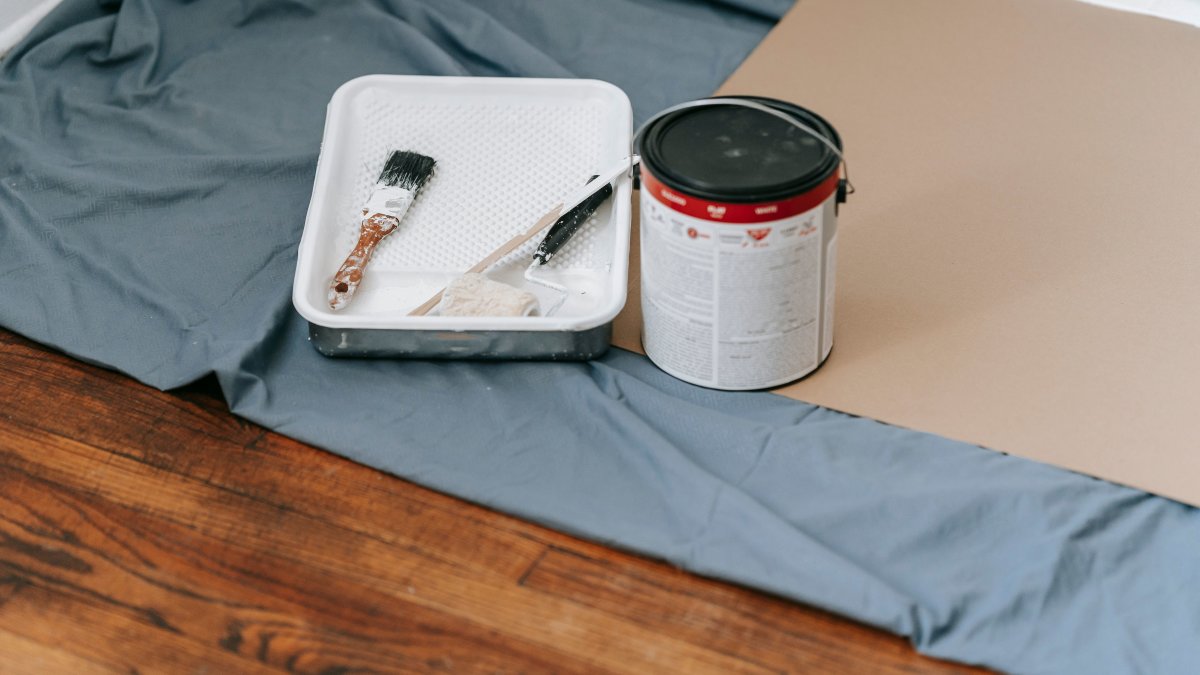
Yes, as long as the room, the walls, and the paint all stay within the temperature range printed on the can. The cold outside is rarely the issue. NOAA reports a January average of 27.2°F in Connecticut, yet a heated home typically stays well above a paint's minimum.
Problems start when paint meets surfaces that are too cold. Sherwin-Williams notes that colder temperatures and surface moisture can keep a paint film from forming properly, which is why label ranges exist.
Which Temperature Readings Count?
Labels refer to three readings: air, surface, and the paint itself. As one example, Sherwin-Williams lists its Emerald Interior Latex for application above 50°F. Ranges vary by product, so the label on your specific can is the final word.
Which Rooms Run Colder Than You Think?
Exterior walls, corners, sunrooms, basements, and rooms above garages often sit below the thermostat reading. A deep overnight setback can do the same. Sherwin-Williams also cautions that paint can stop forming a proper film when temperatures drop after application.
Keep the heat steady, nights included. A thermometer reading taken at the wall gives you a truer picture than the thermostat.
Inland areas see colder winters than the coast, which makes wall checks even more important for what Newtown, CT, homeowners should know about house painting.
|
Condition |
Winter Target |
Why It Matters |
|
Air and Wall Temperature |
At or above the label minimum (often 50°F) |
Paint needs warmth to form a continuous film |
|
Indoor Humidity |
Below 60%, ideally 30% to 50% |
Humidity affects drying time and moisture risk |
|
Fresh Air |
Windows open as weather permits, fans pushing air outside |
Paint vapors need somewhere to go |
|
Heat Schedule |
Steady through the project, overnight included |
Prevents cold spots after application |
Why Does Winter Work Well for Interior Painting?
Winter works because your home is already closed up and heated, and many households have more flexibility once the holidays pass. The reasons are practical rather than magical.
Because Heat Keeps Conditions Predictable
With the heating running, indoor temperatures are easier to hold inside the label range from the first coat to the last.
Because Rooms Are Easier to Clear
After decorations come down, rooms are simpler to empty, patch, and repaint without guests or events in the way.
Because Warmer Months Stay Open for Exterior Work
Exterior coatings depend on outdoor conditions. Finishing interiors early leaves spring and summer free for outside projects.
Winter is one of several workable seasons, and the best time to paint your home's interior depends on how well you can heat and ventilate the rooms.
Does Your Town Change the Plan?
The rules stay the same, but conditions can vary. NOAA notes that coastal Connecticut sees warmer winters than inland areas.
Shoreline homes can behave differently from inland ones, so room-by-room checks beat any regional average when choosing the best house painting in Stamford, CT.
How Do You Manage Ventilation and Humidity in Winter?
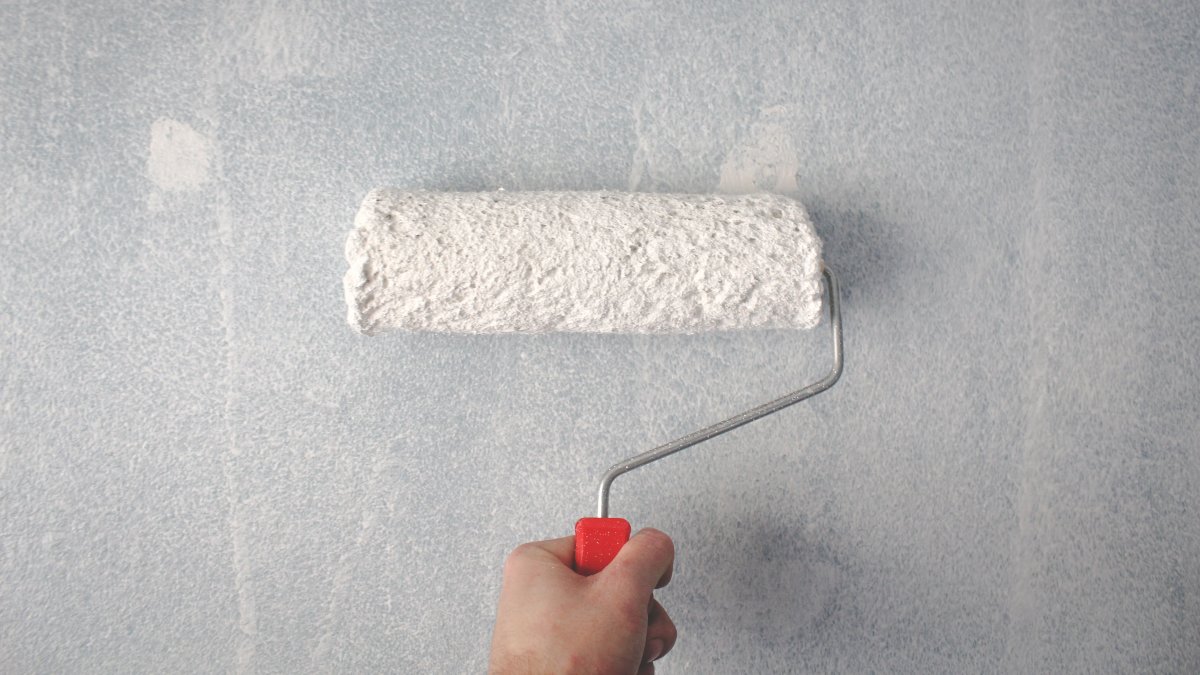
Bring in fresh air in planned bursts, keep it going for days after the last coat, and hold indoor humidity in a moderate range. Closed windows make this the part of winter painting that deserves the most planning.
Step 1: Ventilate While You Paint
The EPA advises increasing ventilation when using products that emit VOCs and following label precautions. A box fan placed in a window and facing outward pushes vapors out of the house.
Bathroom and kitchen exhaust fans only help if they vent outdoors.
Step 2: Keep Air Moving After the Last Coat
That same federal Healthy Indoor Painting Practices guidance recommends keeping windows wide open, as weather permits, for about two to three days after painting. In winter, "as weather permits" is the key phrase.
Paint that feels dry can still release vapors. Open windows on milder afternoons, run fans, and treat the room as active work until the air has cleared.
Step 3: Watch Your Humidity
The EPA suggests keeping indoor humidity below 60 percent, ideally between 30 and 50 percent. Winter heating often dries indoor air, and a humidifier can overshoot the mark.
A simple hygrometer shows where the room stands. Humidity also affects drying time, so a reading far outside the range is worth correcting before you paint.
When Should You Schedule Winter Painting?
Schedule around your heating setup and the forecast, not just the date, and allow extra planning time for older homes.
When a Cold Snap Is Forecast
Save closed-window tasks like moving furniture, covering floors, and masking for the coldest days. Put painting and airing out on milder days.
When the Holidays Are Over
With guests gone and decor down, the work can run without interruptions.
A quiet post-holiday stretch also gives you time to learn what Trumbull, CT homeowners should know first about painting before booking. Leave a few days for drying and ventilation before furniture returns.
When Your Home Predates 1978
The EPA states that roughly three-quarters of US homes built before 1978 still contain some lead-based paint. Under its RRP Rule, anyone paid to disturb painted surfaces in those homes must be lead-safe certified and trained in lead-safe work practices.
The rule generally does not cover homeowners working on their own homes. Disturbed paint can still create dangerous dust, and closed winter windows keep that dust indoors. For older homes, hire a certified firm and ask to see the certification.
Which Materials and Costs Matter Most?
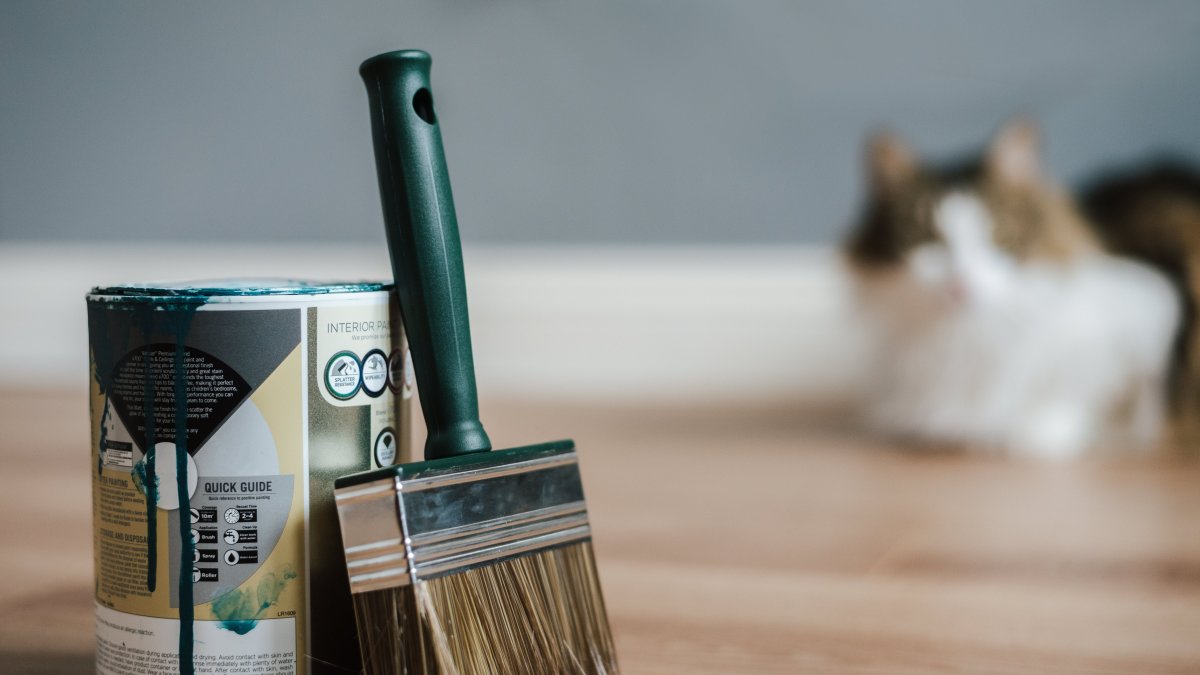
Costs depend on room count, wall condition, repairs, and paint choice, so a written estimate that itemizes each one is the only reliable number.
Room Count and Wall Condition
More rooms and larger wall areas mean more paint and more labor. Walls with scuffs, stains, or old texture usually need extra attention before painting.
Repairs and Surface Prep
Cracks, nail holes, and damaged drywall need patching and sanding first. Prep influences how well the finish performs, so ask what is included in the quote.
Paint Tier and Number of Coats
Quality and coverage affect the budget, which is why it helps to know how much a gallon of paint costs before comparing quotes. A cheaper paint that needs extra coats may not save money.
Primer, Caulk, and Patching Compound
Each product lists its own temperature limits on the label. In winter, check every product in the system, not just the topcoat.
Drying and Ventilation Days
Drying and airing-out time can stretch a project timeline. Ask for dates in writing so the schedule is clear before work begins.
Frequently Asked Questions
How long does interior paint take to dry in winter?
It depends on temperature, humidity, and how thickly the paint goes on. Published label times assume mild conditions. Sherwin-Williams lists Emerald Interior Latex at one hour to touch and four hours to recoat at 77°F and 50% humidity. Cooler or more humid rooms usually take longer, so follow the label before recoating or moving furniture back.
Is winter or spring better for painting indoors?
Neither wins outright. The federal Healthy Indoor Painting Practices guidance suggests dry periods in fall or spring because windows stay open more easily. Winter still works with steady heat, fans, planned airing out, and a humidity check. Choose the season where you can ventilate and schedule the work comfortably.
Can leftover paint stay in a cold garage?
It is best not to leave it there. The Sherwin-Williams label for its interior latex says to protect it from freezing. Seal the lid tightly and store the can somewhere indoors with a stable temperature. Check the label on your specific product for storage guidance.
Is it safe to stay home while rooms are being painted?
Many households do, with good ventilation and attention to label cautions. The same Sherwin-Williams label advises more fresh air if you notice watery eyes, headaches, or dizziness. Anyone who is pregnant, has asthma or another respiratory condition, or is caring for an infant may prefer to stay elsewhere. A healthcare provider can answer personal medical questions.
What time of day should you start painting a room in winter?
Start as early as possible. Better Homes & Gardens recommends early starts so the home has time to air out before bedtime. In winter, pick a milder day when windows can stay open for a while.
Ready to Plan Your Winter Paint Project?
Painting in cold weather works indoors when you control three things: steady warmth, fresh air, and moderate humidity. Check the label, watch for cold spots, and give rooms a few days to air out. If your home predates 1978, bring in a lead-safe certified professional.
Whether you are finding the best house painting in Ridgefield, CT, or comparing options elsewhere in Fairfield County, ask each painter how they handle temperature and ventilation.
At Custom Colonial Painting, we provide professional interior painting services for Connecticut homes, walk through your rooms with you, talk through prep and timing, and put the plan in writing.
Our EPA Lead-Safe certified painters are ready to help with homes of any age.
Related Posts